
Plants
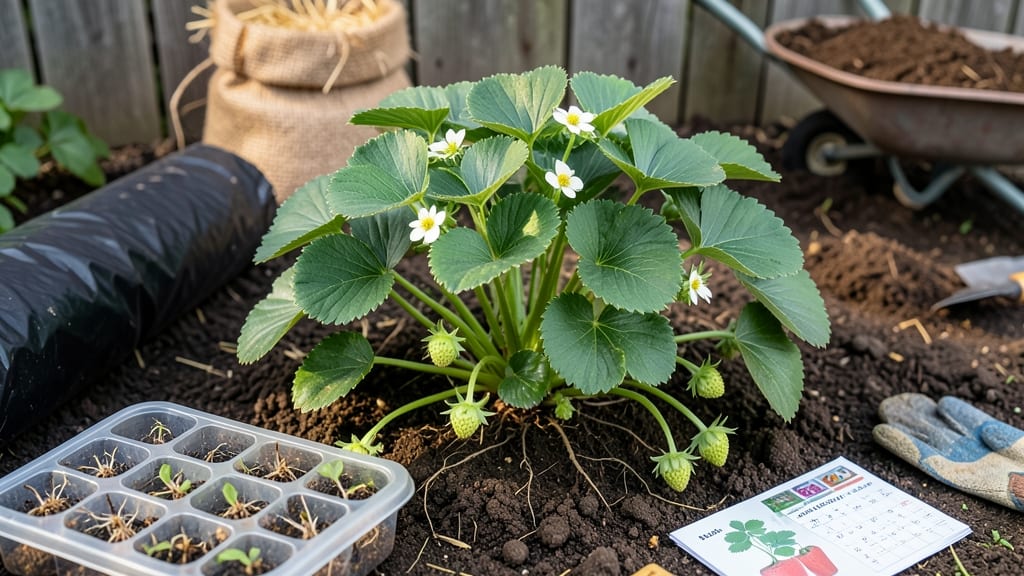
Planting strawberries at the right time in Zone 7 can mean the difference between a bountiful harvest and lost plants. Unlike other crops, strawberries 🍓 need precise timing to avoid frost damage or stunted growth, and most gardeners get this wrong—even with good intentions.
In Zone 7, you’ve got two ideal windows: early spring (March–April) or late summer (July–August). Each timing offers unique advantages, from avoiding late frosts to maximizing fall harvests. But here’s the catch—planting too early risks frost-killed crowns, while waiting too late can delay fruit production.
I’ll break down the exact months to plant, how to prep your soil for success, and why bare-root plants often outperform potted ones in Zone 7’s climate. Whether you’re a first-time grower or a seasoned gardener, these tips will help you time your planting perfectly for zero frost surprises.
Ready to grow strawberries that thrive? Let’s dive into the best schedules for your Zone 7 garden—and how to protect your plants from the unpredictable frosts that can sneak in even in mild winters.
Optimal strawberry planting times in Zone 7: spring vs. fall schedule
Zone 7 gardeners enjoy a perfect balance of mild winters and warm summers—ideal for strawberries. But timing matters more than you might think. Plant too early, and frost can damage tender roots.
Plant too late, and your berries may never reach full maturity. The key lies in understanding soil temperatures and frost risk windows for your specific strawberry variety.
June-bearing strawberries produce one massive harvest in early summer, while everbearing varieties offer two smaller harvests—spring and fall. Both thrive in Zone 7, but their planting schedules differ slightly. Let’s break down the best windows for each approach, including how to adjust for your local last frost date.
⚠️ Critical Note: Most Zone 7 gardeners experience their last frost around mid-April, but this can vary by 1-2 weeks depending on elevation and microclimates. Check your local USDA frost map or use a frost calendar for precision.
🌱 Zone 7 Strawberry Planting Comparison: Spring vs. Fall
| Planting Window | Best Months | Soil Temp Requirement | Frost Risk | Variety Fit |
|---|---|---|---|---|
| Spring Planting | Late February–Early April | 45–55°F (7–13°C) | High (until mid-April) | June-bearing, everbearing |
| Fall Planting | Late July–Early August | 55–65°F (13–18°C) | Low (established roots before frost) | Everbearing, day-neutral |
| Avoid Planting | May–June, September–October | N/A | High frost risk or extreme heat | All varieties |
💡 Pro Tip: For spring planting, aim to get strawberries in the ground 4–6 weeks before your last frost date. Fall planting should occur 8–10 weeks before your first frost.
Spring planting offers the advantage of a full growing season before winter, but it requires careful monitoring of soil warmth. Use a soil thermometer to confirm temperatures are above 45°F (7°C)—cold soil can stunt root growth.
I’ve found that planting bare-root strawberries in early March (when soil is workable) gives them enough time to establish before the heat of summer.
Fall planting, on the other hand, is ideal for everbearing varieties like ‘Albion’ or ‘Seascape’. These plants need time to root deeply before winter, so planting in late July or early August ensures they’re ready for Zone 7’s first frost around mid-November.
The trade-off? You’ll miss the first harvest but enjoy a second crop in fall.
One mistake I see often is planting June-bearing strawberries in fall. These varieties focus all their energy on next year’s harvest, so a fall planting may not fruit until late spring—just as summer heat arrives.
If you love June-bearing types like ‘Chandler’, stick to spring planting for the best results.
For both schedules, mulching is non-negotiable. A 4-inch layer of straw or pine needles insulates roots from temperature swings. In my Zone 7 garden, I’ve seen mulched beds survive 20°F (-7°C) without damage, while unprotected plants wilt. Pair mulch with a row cover if early frosts linger.
Finally, consider your strawberry variety. Day-neutral types (like ‘Tristar’) thrive in both schedules, while June-bearing varieties demand precision. Test a few plants in both seasons to see which works best for your microclimate. With the right timing, you could enjoy strawberries from May through October!
🌱
How to prepare your Zone 7 garden for strawberry planting (soil, location, and frost-proofing)
Zone 7’s unpredictable frost patterns can turn your strawberry dreams into icy disappointments if you skip proper prep. The key to success lies in three critical areas: soil preparation, microclimate selection, and frost protection. With the right approach, your strawberries will thrive even when temperatures dip unexpectedly.
First, focus on soil amendments. Strawberries demand well-draining, slightly acidic soil (pH 5.5–6.8). Test your soil and amend it with compost or peat moss to improve texture and fertility. A 1-inch layer of compost mixed into the top 6 inches of soil will provide essential nutrients while preventing compaction.
- 🌱 Test soil pH and adjust to 5.5–6.8 using sulfur (for high pH) or lime (for low pH).
- 🪴 Choose a sunny microclimate with 6+ hours of sunlight and shelter from wind (e.g., near a fence or building).
- 💧 Add 1–2 inches of compost to the planting area and till it into the top 6 inches of soil.
- 🛠️ Build raised beds or mounds (6–12 inches high) to improve drainage and prevent rot.
- ✂️ Trim old leaves from bare-root plants and soak roots in water for 1–2 hours before planting.
- 🌡️ Monitor frost dates and cover plants with row fabric or mulch if frost is forecasted.
- 🌿 Mulch heavily with straw (4–6 inches) to insulate roots and retain moisture.
Next, select the perfect location. Strawberries need full sun exposure (6+ hours daily) and protection from harsh winds. A south-facing slope or spot near a building can create a microclimate that warms up faster in spring.
Avoid low-lying areas where cold air pools, as these spots can trap frost longer.
Frost-proofing is non-negotiable in Zone 7. Even after planting, late spring frosts (common in April) or early fall frosts (October–November) can devastate young plants. Use floating row covers or straw mulch (4–6 inches thick) to insulate roots.
For extra protection, install a mini greenhouse or cold frame over vulnerable beds during frost alerts.
Don’t forget to space plants correctly. Strawberries need 12–18 inches between plants for airflow, which reduces fungal diseases like gray mold. If growing in rows, space them 2–3 feet apart to allow easy access for harvesting. After planting, water deeply to settle the soil and encourage root growth.
Finally, plan for year-round care. In late fall, add an extra layer of mulch (6–8 inches) to protect roots from freezing. Remove mulch in early spring to allow soil to warm up.
By following these steps, your Zone 7 strawberries will survive frost, thrive in summer, and reward you with sweet, abundant harvests.