
Plants
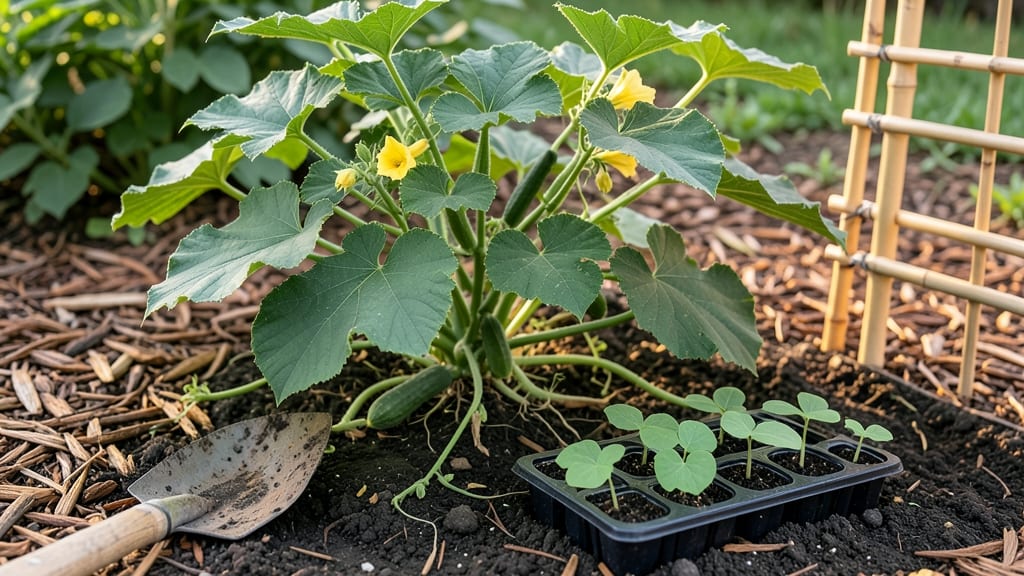
Planting cucumber seeds 🥒 at the wrong time in North Carolina can mean the difference between a bountiful harvest and wasted effort. The key to success lies in waiting until soil temperatures hit at least 60°F—something many gardeners overlook when eager to start their summer crops.
For most of NC, that perfect window opens around April 15 and stretches through June 15, but your exact timing depends on whether you're in the Piedmont, Coastal Plain, or Mountains.
Planting too early risks cold soil stunting growth, while waiting too long may cut your harvest short before fall's first frost.
I'll break down the exact week-by-week schedule by USDA zone, including when to start seeds indoors for a head start. You'll also discover how to use black plastic mulch and other tricks to extend your growing season—because in NC, every extra week counts.
Whether you're a first-time gardener or a seasoned pro, these insights will help you time your planting perfectly for sweet, crisp cucumbers all summer long. Let's get started with your precise planting calendar.
North Carolina cucumber planting schedule by USDA hardiness zones (7a-8b)
North Carolina’s USDA zones 7a-8b offer perfect conditions for growing cucumbers, but timing varies dramatically between Coastal Plain, Piedmont, and Mountain regions.
In Zone 7a (e.g., Asheville), last frost typically arrives by April 15, while Zone 8b (e.g., Wilmington) can start planting as early as March 15 in ideal microclimates. The key is waiting until soil temperatures reach 60°F+—cold soil slows germination and invites disease.
For direct sowing, which is simplest for cucumbers, start planting 2-3 weeks after your last frost date. If you prefer transplants, begin seeds indoors 3-4 weeks before your outdoor planting window.
Coastal areas like Zone 8b can stretch planting into early June for fall harvests, while Zone 7a gardeners should finish by June 15 to avoid heat stress before frost.
Soil temperature is non-negotiable: cucumber seeds won’t sprout below 55°F, and roots struggle below 60°F. Use a soil thermometer to confirm readiness—this is especially critical in Mountain regions, where nights stay cooler. In Piedmont zones like Raleigh (7b), aim for April 20-May 10 for direct sowing, with transplants ready by May 1.
| Zone & Region | Last Frost Date | Direct Sow Window | Transplant Start Indoors | Soil Temp Requirement | Fall Planting Deadline |
|---|---|---|---|---|---|
| 7a (Mountains: Asheville, Boone) | April 15 | May 1 - May 15 | April 1 - April 15 | 60°F+ | June 15 |
| 7b (Piedmont: Raleigh, Greensboro) | April 1 | April 20 - May 10 | March 20 - April 1 | 60°F+ | June 20 |
| 8a (Coastal: Fayetteville, Goldsboro) | March 15 | March 30 - April 15 | March 1 - March 15 | 60°F+ | July 1 |
| 8b (Coastal: Wilmington, Outer Banks) | February 28 | March 15 - April 1 | February 20 - March 1 | 60°F+ | July 15 |
In Zone 8b, where winters are milder, you can even try early spring plantings as soon as soil warms in late February. However, avoid planting before March 15—cooler coastal nights can still cause blossom drop.
For Piedmont zones, focus on April 20-May 10 for direct sowing, as this aligns with peak soil warmth and avoids late-spring thunderstorm risks that can compact soil.
If you’re growing bush cucumbers (like ‘Bush Champion’), you can plant slightly earlier than vining types, as they mature faster. Vining varieties (e.g., ‘Straight Eight’) need the full 60-70 days to harvest, so Zone 7a gardeners should prioritize May plantings to avoid heat stress before first frost.
Always space seeds 1 inch deep and 2-3 feet apart for vining types or 1 foot apart for bush varieties.
For transplants, start seeds indoors under grow lights or in a sunny window 3-4 weeks before your outdoor window. Harden off seedlings for 7-10 days before transplanting, and plant after sunset to reduce transplant shock.
Coastal gardeners in Zone 8b can extend harvests by planting a second crop in late June
How to adjust planting times for NC’s microclimates (heat tolerance & humidity tips)
North Carolina’s diverse geography creates microclimates that can shift your cucumber planting window by 3-4 weeks. Coastal areas like Wilmington stay humid and warm, while mountain regions like Asheville experience cooler nights.
Even urban heat islands in Raleigh or Charlotte can push planting dates earlier by 10-14 days compared to rural areas.
Understanding these variations helps you avoid common mistakes like planting too early in cold soils (below 60°F) or waiting too long when summer heat arrives. The key is matching your location’s microclimate factors—elevation, humidity, and urban heat—to your cucumber variety’s needs for optimal growth.
Cucumbers planted before soil reaches 60°F or in damp conditions risk:
- Fungal diseases (e.g., powdery mildew) from prolonged leaf wetness
- Stunted growth due to cold soil slowing root development
- Bitter fruit from uneven maturation in fluctuating temps
For coastal NC (Zones 8a-8b), start cucumbers 2-3 weeks earlier than inland areas. The higher humidity levels (often 70%+) mean you’ll need to space plants 12-18 inches apart for airflow and use drip irrigation to avoid fungal issues.
In contrast, mountain regions (Zone 7a) should delay planting until after May 15 to escape late frosts.
Extend your growing season with black plastic mulch, which warms soil by 5-10°F and suppresses weeds. For late summer plantings, use row covers to protect against squash vine borers and cucumber beetles.
My favorite trick? Plant succession crops every 2 weeks from May to July for continuous harvests—this works especially well in Piedmont zones.
Urban gardeners in heat islands (like Raleigh’s downtown) can plant 1-2 weeks earlier than rural areas, but monitor for heat stress by providing afternoon shade cloth if temps exceed 90°F. Always choose heat-tolerant varieties like ‘Southern Sweet 100’ or ‘Straight Eight’ for these conditions.
Pro tip: Test your soil’s moisture retention—sandy soils in the Coastal Plain dry out faster and need daily watering during summer, while clay soils in the Piedmont may require mulching to prevent waterlogging. Adjust your planting schedule based on these soil types too!