
What changed, and what it changed for you
This site began as a scrapbook of gardening tips I’d scribbled on napkins or saved in dog-eared notebooks. The advice was secondhand, the photos were blurry, and the tone assumed you already knew what you were doing.
If you didn’t, you were left guessing why your tomatoes kept splitting or your basil kept bolting.
Now the site works the way a garden should: it starts with what’s actually happening in the dirt. Every post is built around a plant’s needs—not just the ideal conditions, but the messy reality of real soil, real weather, and real mistakes.
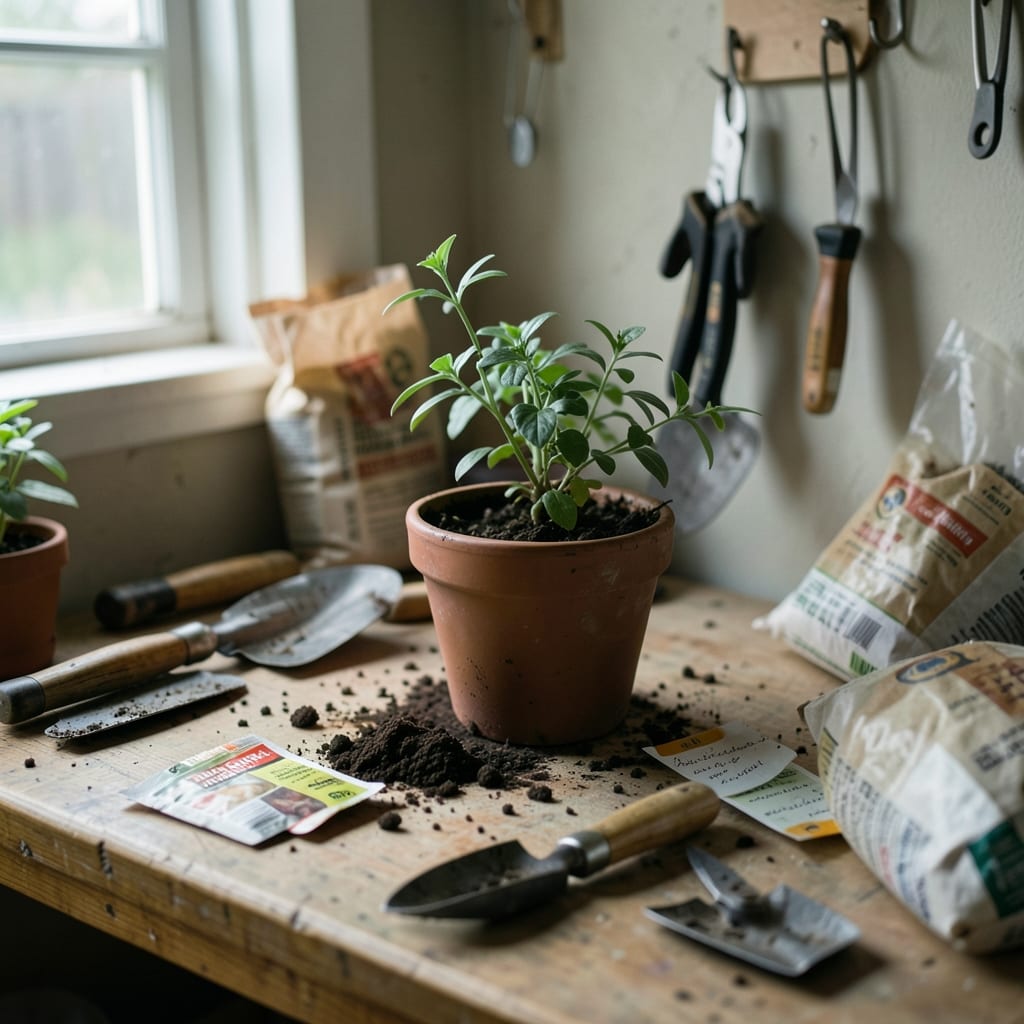
The photos show the same plants at different stages, with the same flaws and triumphs you’ll see in your own garden.
| It used to be | Now it is |
|---|---|
| Advice copied from gardening books without testing. | Every tip is tested over at least one growing season, with updates when it fails. |
| Photos of generic plants from stock libraries. | Photos of the exact varieties grown here—sometimes with the same pests, wilting, or overwatering you’ll see. |
| A list of ‘best practices’ that ignored local climate. | Guides that adjust for USDA zones, microclimates, and the quirks of renters’ balconies or urban lots. |
| No warnings about common pitfalls. | A ‘watch for’ section in every post, marked with a ⚠️ when a mistake is especially costly. |
The one that took years
The biggest mistake was treating gardening like a science project. I’d write about *how* to grow something without explaining *why* it worked—or why it might fail. For years, posts ended with ‘Enjoy your harvest!’ as if the reader had any idea what ‘harvest’ meant for their own backyard.
The comments proved it: people were growing zucchini that stayed small, tomatoes that cracked, herbs that turned bitter.
It stayed wrong for too long because I didn’t want to admit I was guessing. Gardening feels personal; admitting you don’t know something feels like admitting you’re not a real gardener.
But the truth is, the people who need the advice most are the ones who don’t yet know what they don’t know.
The fix came when I started keeping a ‘failure journal’—a notebook where I tracked every plant that died, every tip that backfired, and every time I ignored my own advice.
After three years of that, the patterns became clear: most mistakes came from assuming soil was ‘good enough’ or that ‘full sun’ meant the same thing for everyone. Now the site includes a ‘Troubleshooting’ section in every post, with real examples from this garden.
Meet the author

I used to believe gardening was about following rules. My first attempts at growing anything—snuck seeds from my grandma’s garden, planted in a shoebox on my bedroom windowsill—ended with wilted seedlings or moldy soil. I blamed the plants. I blamed the weather.
I never blamed myself for not understanding what they actually needed.
I’d write posts like I was giving orders: ‘Water every other day,’ ‘Use well-draining soil,’ ‘Harvest before flowering.’ No context, no exceptions. The comments showed me I was wrong—people were growing in apartments with no drainage, in climates where ‘every other day’ meant drowning their plants.
But I kept doing it anyway, because it felt like authority.
The thing that went badly was the year I tried to grow heirloom tomatoes in a raised bed with store-bought potting mix. By July, the plants were covered in blight, and I spent more time researching fungicides than I did enjoying the garden.
That’s when I realized: the advice I was giving wasn’t working for me, either.
What changed is that I stopped pretending I had all the answers.
Now I write like I’m talking to someone standing next to me in the garden—Sonia Pennington, the person who still kills more plants than she saves.
Every post includes the mistakes I’ve made, the questions I’ve had to ask, and the small victories that only feel like victories because they came after so much failure. This site exists because gardening should be about learning, not perfection.
What did not change
The core belief—that gardening is easier when you know what’s *really* happening in the soil—hasn’t wavered. The first posts I ever wrote were about the quiet, stubborn joy of watching something grow from nothing, and that hasn’t changed.
Neither has the rule that if I can’t explain something in plain language, I don’t understand it well enough to write about it.
The tone was always meant to be conversational, even when the advice was technical. The difference now is that the conversation includes the mess: the overwatered seedlings, the pests that win, and the years it takes to learn when to fight and when to let go.
The site still believes in growth, but it’s growth with roots—and roots, by definition, are invisible until something goes wrong.
What is still being fixed
The biggest project right now is building a searchable database of ‘plant behaviors’—not just what a plant *should* do, but what it *actually* does in different conditions. For example, why does basil bolt in heat? Why do cherry tomatoes split in humidity? The answers aren’t in the seed packets.
They’re in the dirt, and they’re still being written.
If you’ve ever grown something that didn’t turn out as expected, the contact page is where to send your questions—or better yet, your photos. The next ‘failure journal’ might include your name.
Things that would help
- Photos of plants with problems (wilting, pests, odd growth)—even if you don’t know what’s wrong.
- Notes on what *you* tried to fix it, and whether it worked (or made things worse).
- A description of your growing conditions: container size, sunlight hours, soil type, and your local climate zone.
The guides are grouped by category: Companion Plants, Flowers, How To, Lawn, Planting and Plants.