
Plants
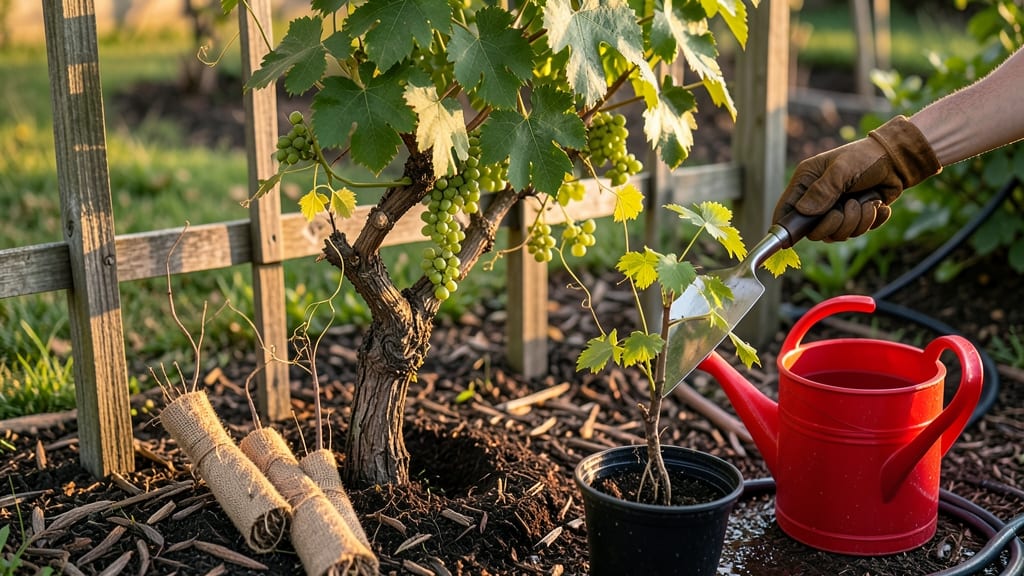
Timing your 🍇 grape planting in Colorado isn’t just about the calendar—it’s about outsmarting the state’s unpredictable frost patterns and elevation shifts that can turn a thriving vineyard into a frost-killed disappointment.
Whether you're growing hardy Concord grapes on the Front Range or delicate wine varieties in the Western Slope, getting the timing right means the difference between a 150-day growing season of lush vines and a season cut short by late spring frosts or early autumn chills.
I’ve spent years watching Colorado’s microclimates shift from USDA Zone 5 in the mountains to Zone 7 in the valleys—and the secret to success isn’t just planting in April or September.
It’s about reading the soil, adjusting for elevation, and knowing when to protect your young vines from Colorado’s infamous "black frost" events.
Let me walk you through the exact windows, soil prep tricks, and frost-proofing strategies that’ll have your grapes thriving from April’s last frost all the way to September’s harvest—no matter where you are in the state.
Colorado’s frost-free zones and ideal grape planting months by elevation
Colorado’s dramatic elevation changes—from 2,000 feet in the Arkansas Valley to over 8,000 feet on the Western Slope—create wildly different growing conditions for grapes.
While Denver’s Front Range (USDA zones 5b-6a) enjoys 120-140 frost-free days, high-elevation vineyards near Salida or Crested Butte (zone 4b-5a) face just 80-100 days. These differences dictate whether you can grow Cabernet Sauvignon or must stick to Concord or Frontenac varieties.
Timing your grape planting isn’t just about calendar months—it’s about elevation-based frost risks. At 5,000 feet, last spring frosts can linger until May 15, while 7,000-foot areas may not fully thaw until June 1.
Fall planting windows also shrink dramatically: September 1-October 15 works in zone 6, but by zone 5, you’re limited to September 1-15 to avoid winter kill.
Here’s the critical breakdown: Cold-hardy varieties like Frontenac or Marquette thrive in zones 4-5, while Cabernet Sauvignon and Syrah need zone 6-7 protection. The 30-day rule applies—plant bare-root vines when soil temps hit 50°F (10°C) and stay there for 3 consecutive weeks.
Below 4,000 feet, this often means April 15-May 1; above 6,000 feet, wait until May 15-June 1.
| Elevation Range | USDA Zone | Frost-Free Days | Spring Planting Window | Fall Planting Window | Recommended Varieties |
|---|---|---|---|---|---|
| 2,000–3,500 ft | 6a–7a | 140–160 | April 1–May 1 | September 1–October 15 | Cabernet Sauvignon, Syrah, Merlot |
| 3,500–5,000 ft | 5b–6a | 120–140 | April 15–May 15 | September 1–October 1 | Cabernet Franc, Grenache, Petit Verdot |
| 5,000–6,500 ft | 4b–5a | 100–120 | May 1–June 1 | September 1–15 | Frontenac, Marquette, Concord |
| 6,500–8,000 ft | 4a–4b | 80–100 | June 1–July 1 | August 15–September 1 | Valvin Muscat, Brianna, Frontenac Gris |
🌱 Note: Adjust planting dates 2–3 weeks earlier in urban heat islands (e.g., Denver) and later in mountain valleys.
For spring planting, aim to get vines in the ground 4-6 weeks before your area’s last frost date. In zone 6, that’s typically by April 15; in zone 5, wait until May 1.
Use a soil thermometer—grapes need 50°F (10°C) soil temps to root properly. I’ve seen bare-root vines planted too early in March suffer from frost heave, where roots lift out of the ground during freeze-thaw cycles.
Fall planting offers a second chance for Colorado growers, but timing is tighter. Zone 6 vines can handle September-October planting, but by zone 5, you’re limited to September 1-15. The goal is to let roots establish before first frost.
I’ve had success with Concord grapes planted in late September at 5,500 feet—they survived winter with 3 inches of mulch and a burlap wrap around the base.
Elevation also affects vine growth rates. At 7,000 feet, grapes mature 2-3 weeks later than at 4,000 feet. This means Cabernet Sauvignon planted in zone 6 may need 180 days to
How to adjust planting timing for Colorado’s unpredictable spring frost risks
Colorado’s spring frost risks can turn your grape planting dreams into a chilling disappointment if you’re not prepared. Young grape vines are especially vulnerable to frost, which can kill tender shoots and set back growth by weeks.
The key is to time your planting strategically and use protective measures tailored to your local microclimate.
Even in warmer USDA Zone 7 areas like Denver, late spring frosts can occur until mid-May. Meanwhile, higher elevations in Zone 5 (like Fort Collins) may face frost risks well into June.
Adjusting your planting window and using frost-mitigation tools can make all the difference between a thriving vineyard and a failed crop.
⚠️ callout-warning ⚠️
⚠️ Late Spring Frost Alert!
Colorado’s average last frost dates vary wildly:
- Denver (Zone 6): May 15
- Grand Junction (Zone 7): April 1
- Aspen (Zone 5): June 10 Plant too early, and your vines could suffer irreversible damage. Wait for consistent 50°F+ nighttime temps for 7+ days before planting.
One of the most effective strategies is to warm your soil before planting. Use black plastic mulch or straw bales to absorb sunlight and raise soil temperatures by 5-10°F. This gives young roots a head start and helps them establish faster, making them more resilient to late frosts.
For added protection, consider frost cloth alternatives like row covers or plastic tunnels. These can raise temperatures by 5-8°F and shield tender shoots.
If you’re planting in urban areas, take advantage of heat islands—paved surfaces and buildings retain warmth, creating microclimates that are 2-5°F warmer than rural areas.
South-facing slopes are another game-changer for Colorado grape growers. These areas receive 30-50% more sunlight than north-facing spots, accelerating soil warming and extending the growing season. If your yard has a slope, orient your grape trellis to face south for maximum protection against frost.
Finally, don’t overlook fall planting as a safer alternative. Planting dormant vines in September or October allows roots to establish before winter, giving them a stronger start in spring. Just be sure to mulch heavily (6+ inches) to insulate roots from freezing temperatures.