
Flowers
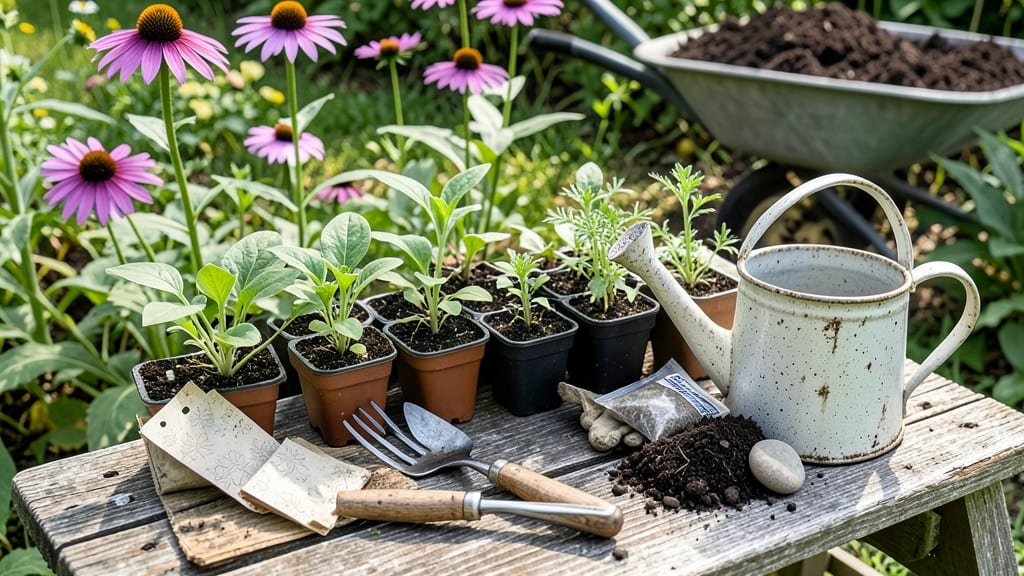
Planting flowers in Pittsburgh at the wrong time can leave you staring at a sad, frost-nipped garden instead of a vibrant display of 🌸.
The key to success isn't just picking the right varieties—it's knowing exactly when to put them in the ground to beat the city's notorious late frosts and unpredictable weather.
With USDA Zone 6b's last frost typically around April 15, timing matters more than you might think. Whether you're planting delicate annuals like petunias or hardy perennials like coneflowers, getting the schedule right means the difference between a garden that thrives and one that struggles.
Let me show you the exact windows that work best for Pittsburgh's climate.
We'll cover everything from early spring bulbs to late-summer perennials, plus how to adjust for microclimates that can shift frost dates by weeks. You'll learn which flowers to start indoors, when to direct-sow, and how to extend your season with simple tricks that actually work in our region.
By the end, you'll have a clear month-by-month planting plan tailored to Pittsburgh's conditions—so you can finally enjoy the lush, long-lasting blooms you've been dreaming of. Let's get those shovels in the soil!
Best planting months for annuals, perennials, and bulbs in Pittsburgh
Pittsburgh’s USDA Zone 6b climate means we enjoy 165 frost-free days—just enough to grow stunning flowers if you time your plantings right. The last spring frost typically hits around April 15, while the first fall frost arrives by October 15.
These dates are your garden’s bookends for planting, but the best months depend on whether you’re growing annuals, perennials, or bulbs.
For cold-hardy annuals like pansies and sweet alyssum, you can start planting as early as late February under row covers. Most heat-loving annuals, such as marigolds and zinnias, thrive when soil temperatures reach 50°F or warmer, usually by mid-May.
Meanwhile, perennials like coneflowers and black-eyed Susans can be planted in early spring or early fall to establish strong roots before winter.
Bulbs have their own timeline: spring-blooming bulbs (like tulips and daffodils) should be planted in fall (September-October), while summer-blooming bulbs (like dahlias) go in early spring after the last frost. Let’s break down the exact planting windows for each category in Pittsburgh’s climate.
If you’re planting annuals for summer color, don’t wait until May—start cold-hardy varieties indoors in February or direct-sow in late March under protection.
For perennials, early spring planting gives them time to establish roots before summer heat, while fall planting (September-October) helps them avoid summer stress and bloom earlier next year.
For bulbs, timing is everything. Spring-blooming bulbs like tulips need to be in the ground by October so they can root before winter.
If you miss this window, you’ll have to wait until next fall. Summer-blooming bulbs, on the other hand, can wait until April or May when the soil is warm and workable.
Pittsburgh’s microclimates can shift planting windows by 1-2 weeks. Urban areas with heat islands may allow earlier plantings, while river valleys can experience later frosts. Always check your local frost dates and monitor soil temperatures—a simple soil thermometer ($10 at garden centers) is a game-changer for timing.
Pro tip: Extend your season by using row covers or cold frames to plant annuals 2-3 weeks earlier in spring. For fall, choose late-blooming varieties like cosmos or asters that thrive in cooler weather. With the right timing, you can enjoy continuous blooms from May through October.
Remember, perennials planted in fall often outperform spring plantings because they establish deeper roots before summer stress. And for bulbs, the earlier you plant in fall, the larger and more vigorous your blooms will be next spring.
Pittsburgh’s climate rewards patience and planning—so mark those dates and get ready for a showstopping flower garden!
How to adjust planting times based on Pittsburgh’s microclimates
Pittsburgh’s diverse landscapes create unique microclimates that can shift frost dates by weeks. Urban areas like Downtown and the North Side often experience earlier springs due to the urban heat island effect, while river valleys like the Monongahela and Allegheny can stay cooler for longer.
Elevation changes in neighborhoods like Squirrel Hill or Mt. Washington also delay frost. Understanding these variations helps you time plantings perfectly for your specific location.
For example, city gardens may see last frosts around April 10-15, while suburban areas like Bethel Park might wait until April 20. Rural zones near Pennsylvania farmland can experience frost as late as May 1.
These differences mean annual flowers like marigolds might thrive 2 weeks earlier in urban areas compared to rural spots. Adjusting your schedule by just a few days can mean the difference between wilting seedlings and vibrant blooms.
| Microclimate Type | Last Frost Date | First Frost Date | Best Time to Plant Annuals | Best Time to Plant Perennials | Notes |
|---|---|---|---|---|---|
| Urban (Downtown, North Side) | April 10-15 | October 20-25 | Late April to early May | Early April (hardy perennials) or September | Warmer soil; plant heat-loving flowers first |
| Suburban (Squirrel Hill, Shadyside) | April 15-20 | October 10-15 | Mid-April to late April | Mid-April or late August | Moderate temperatures; ideal for most flowers |
| Rural (Aleppo, Penn Hills) | April 25-May 1 | October 5-10 | Late April to early May | Late April or early September | Cooler soil; delay heat-lovers until May |
| River Valleys (Monongahela, Allegheny) | April 20-25 | October 10-15 | Late April to early May | Late April or late August | Frost pockets; protect tender plants |
If you’re planting bulbs in fall, urban areas can start as early as September 15, while rural zones should wait until October 1.
The Allegheny River valley often experiences late frosts in May, so hold off on planting tender annuals like impatiens until May 10—even if your neighbor in the city planted theirs weeks earlier.
For perennials, suburban gardeners can often get away with early April plantings, but rural gardeners should wait until mid-April.
To fine-tune your schedule, monitor local weather forecasts and use frost-free date calculators like the National Weather Service’s Pittsburgh station. I’ve found that row covers can push urban planting windows 1-2 weeks earlier in spring, while black plastic mulch warms rural soil faster for late-season plantings.
For example, cosmos seeds can sprout reliably in urban areas by April 25, but rural gardeners should wait until May 10.
Don’t forget that elevation matters: every 300 feet gain can delay frost by 1-2 days. If you live on Mt. Washington (elevation 1,200+ ft), expect