
Plants
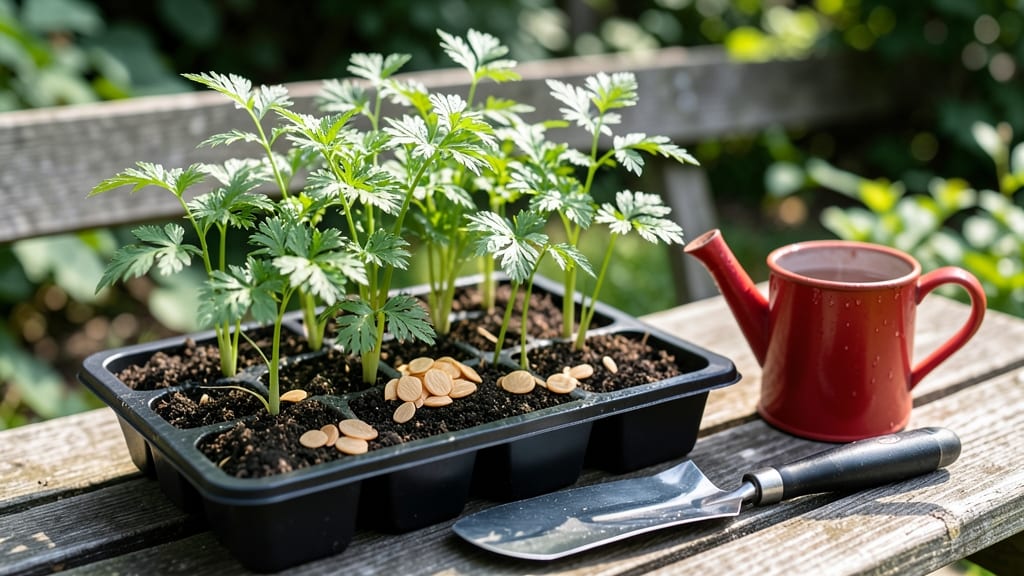
Planting carrots in Central Florida isn’t just about timing—it’s about outsmarting the heat and humidity that can turn your 🥕 dreams into bitter disappointment. The key to sweet, straight roots lies in two narrow windows: late summer and early spring, when soil temps stay cool enough to prevent bolting.
I’ve learned the hard way that ignoring these windows means watching your seedlings bolt into flower stalks before you even get a harvest. But here’s the good news: with the right microclimate hacks—like mulching, shade cloth, and soil prep—I’ve grown perfect carrots even in Florida’s unpredictable 9a zone.
Whether you’re a first-time gardener or a seasoned grower, I’ll break down the exact months to plant, how to prep your soil for loose, fork-free roots, and which varieties thrive in our heat. No more guesswork—just a foolproof plan for homegrown carrots year-round.
Let’s dive into the month-by-month schedule that’s kept my garden producing crisp, flavorful carrots even when the thermometer hits 90°F. Your next harvest starts here.
Central Florida carrot planting calendar: month-by-month microclimate guide
Growing carrots in Central Florida is all about timing and microclimates. The state’s USDA Zone 9a climate means we can grow carrots year-round, but heat and humidity trigger bolting—when carrots flower prematurely. Coastal areas like Cocoa Beach stay milder than inland Lakeland, so adjust your schedule accordingly.
Bolting happens when soil temperatures exceed 80°F or drop below 50°F. In Central Florida, this means avoiding summer planting entirely. Instead, focus on fall and winter for the sweetest, straightest roots. Let’s break down the best months for planting, harvest windows, and microclimate tweaks to keep your carrots happy.
🌱 Key Rule: Plant when daytime highs are between 65°F and 75°F and nighttime lows stay above 55°F. This prevents stress and bolting. Use a soil thermometer to monitor—it’s your best friend for carrot success!
In coastal Central Florida (e.g., Melbourne or Daytona Beach), you can push the envelope slightly. Plant short-day varieties like ‘Paris Market’ in late August for a fall harvest, but be ready to provide afternoon shade if temps climb above 80°F.
Use a 30% shade cloth to keep soil temps stable.
For inland areas
How to avoid bolting: soil temperature, shade, and variety tricks for Florida heat
Carrots in Central Florida face a unique challenge: bolting—when they prematurely flower due to heat stress. The key to preventing this is controlling soil temperature, selecting heat-tolerant varieties, and strategic shade management.
I’ve grown carrots here for years, and these tricks have kept my harvests sweet and straight even in summer’s peak.
First, focus on soil temperature—carrots bolt when soil exceeds 85°F. Use a soil thermometer to monitor conditions. If your garden hits this threshold, it’s time to act.
Mulching with straw or wood chips (3–4 inches thick) keeps roots cool while retaining moisture. I’ve seen this lower soil temps by 10–15°F on scorching afternoons.
- 1 Choose bolting-resistant varieties: Opt for ‘Danvers Half Long’ or ‘Nantes’—both tolerate heat better than standard types. These varieties mature faster (60–70 days) and handle Florida’s humidity without flowering prematurely.
- 2 Use shade cloth (30–50%) during April–June when temps soar. Install it temporarily over rows to reduce sunlight by 20–30%. Remove it by late afternoon to avoid stunting growth—carrots still need 6+ hours of sun daily.
- 3 Amend soil with compost to improve moisture retention. Mix in aged compost or coconut coir before planting. This creates a cool microclimate at root level, delaying bolting by 2–3 weeks in hot spells.
- 4 Plant in partial shade near tall crops (like corn or sunflowers) or under dappled trees. Coastal areas get brighter shade than inland zones, so adjust timing—coastal gardens can plant 1–2 weeks later than inland spots.
- 5 Harvest young to avoid stress. If bolting starts, pull and cook carrots at ½–¾ inch diameter—they’ll still be tender. Save seeds from bolted plants for next year’s shorter-season varieties.
For container gardening, use black plastic pots (they absorb heat) and place them in morning sun only. I’ve had success with 5-gallon buckets filled with 50% compost and 50% potting mix—this combo keeps roots cooler while providing drainage. Avoid glazed containers; they trap heat and accelerate bolting.
Timing is everything: September–October and February–March are your safest windows. But with these tricks, I’ve even grown summer carrots (June–July) by combining shade cloth + mulch. Just be ready to harvest aggressively—bolting can sneak up fast when temps flirt with 90°F.
Pro tip: Water deeply in the morning to cool soil and discourage bolting. Avoid overhead sprinklers—they raise humidity and invite leaf blight, another Florida nemesis. A soaker hose delivers moisture right to the roots without wetting foliage.
With these strategies, you’ll enjoy crunchy, sweet carrots year-round—no bolting in sight! Start with one test row using these methods, then expand. Your future self (and your salad bowl) will thank you. 🥕