
Plants
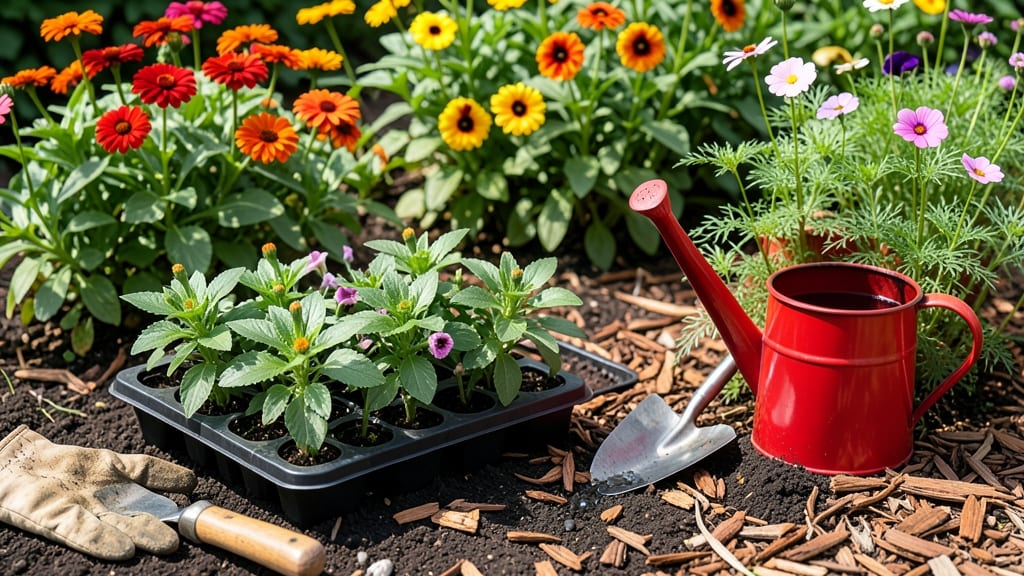
Planting annuals in Missouri at the wrong time can mean the difference between a vibrant 🌸 garden and a sad, frost-nipped disappointment. With USDA Zones 5b-6b bringing unpredictable springs, timing is everything—get it right, and you’ll enjoy blooms from July through November.
Most gardeners in Missouri wait until after the last frost date, typically around April 15, but that’s just the start. Cool-season annuals like pansies can handle lighter frosts, while heat-loving marigolds need to wait until soil warms to 60°F.
The key is knowing your microclimate—St. Louis gardeners have a slightly longer window than those in northern Missouri.
Don’t stop at spring! Fall is your second chance for annuals, with a planting window opening around August 1. This strategy lets you enjoy late-season color when many gardens are winding down. Whether you’re sowing seeds or transplanting seedlings, precise timing maximizes your garden’s potential.
I’ll break down the exact weeks before last frost for your zone, plus pro tips for extending the season with row covers and succession planting. Ready to turn Missouri’s short growing season into a year-round display? Let’s get started.
Missouri’s last frost dates by zone: exact weeks before planting annuals
Timing is everything when planting annuals in Missouri, where last frost dates can shift by weeks between regions. Understanding your USDA Zone and local averages helps you avoid frost damage while maximizing your garden’s bloom time.
For most of Missouri, the average last frost date falls between April 15 and May 1, but microclimates can push this window earlier or later.
Missouri spans USDA Zones 5b-7a, with St. Louis and Kansas City (Zone 6b) typically experiencing later frosts than Springfield (Zone 7a).
The key to safe planting lies in monitoring soil temperatures—wait until the ground reaches a steady 10°F for at least a week before setting out tender annuals like marigolds or tomatoes.
Here’s how to calculate your safe planting window using historical data and the 10°F soil rule:
| Region | USDA Zone | Avg. Last Frost | Weeks Before Planting | Soil Temp Rule |
|---|---|---|---|---|
| St. Louis | 6b | April 20 | 8 weeks before | 10°F for 7+ days |
| Kansas City | 6b | April 15 | 7-8 weeks before | 10°F for 7+ days |
| Springfield | 7a | April 1 | 6-7 weeks before | 10°F for 5+ days |
| Northern MO (e.g., Columbia) | 6a | April 25 | 9 weeks before | 10°F for 7+ days |
*Data based on 30-year averages from Missouri Botanical Garden and NOAA.
For St. Louis gardeners, this means starting warm-season annuals like tomatoes or peppers indoors around March 1 to transplant after the April 20 average last frost. In Springfield (Zone 7a), you can push planting slightly earlier—March 15 for indoor starts—to align with the April 1 frost date.
Use a soil thermometer to confirm readiness, as cold soils delay germination. For cool-season annuals like pansies or lettuce, you can plant 4-6 weeks before the last frost—even as early as March 1 in southern Missouri. These hardy plants tolerate light frosts and often bloom earlier in the season.
Missouri’s first frost typically arrives between October 15 and November 1, giving you a 165-day growing season for annuals. To extend this window, consider fall planting of frost-tolerant varieties like kale, spinach, or chrysanthemums starting in August.
Pro tip: Check the Missouri Climate Center’s frost prediction maps each spring for real-time updates. Even a 10-day shift in frost dates can mean the difference between a thriving garden and a frost-killed disaster. When in doubt, opt for transplants over seeds—they’re less vulnerable to late frosts.
For container gardeners, remember that pots warm up faster than garden beds, so you can plant 1-2 weeks earlier than in-ground annuals. Just ensure containers have drainage holes to prevent root rot from spring rains.
Finally, keep an eye on microclimates—south-facing slopes warm up faster, while low-lying areas hold frost longer. Adjust your planting timeline accordingly to give your annuals the best start.
Best annual flowers and vegetables for Missouri’s short vs. long seasons
Missouri’s USDA Zones 5-7 create distinct growing seasons that demand careful planning for annuals. Northern Missouri’s shorter seasons (like St. Louis) require early starts, while southern regions (like Springfield) can extend planting into late May. Understanding these differences ensures your pansies bloom early and your tomatoes thrive all summer.
For cool-season annuals, like spinach and pansies, timing is critical—plant them 4-6 weeks before last frost (typically by March 15 in southern Missouri). Meanwhile, warm-season favorites such as marigolds and tomatoes need to wait until after April 15 when soil warms to 60°F.
🌱 Pansies, Violas, Spinach, Lettuce, Peas – Start March 1–April 15 (4–6 weeks before last frost). Northern Missouri: March 15–April 1.
🌞 Marigolds, Tomatoes, Peppers, Zinnias, Basil – Plant April 15–May 15 (after soil reaches 60°F). Southern Missouri: April 1–May 1.
🪴 Potted herbs (e.g., basil, parsley) can start indoors by March 1 and move outside after last frost. Dwarf varieties (e.g., petunias) adapt better to containers.
🌻 Cosmos, Sunflowers, Kale – Sow August 1–September 15 for late-season color. Northern Missouri: August 15–September 1.
🌡️ Urban areas (e.g., St. Louis) may frost later—wait 1–2 weeks longer. Rural zones (e.g., Springfield) can plant 2 weeks earlier.
In northern Missouri, where frosts linger, prioritize hardy cool-season crops like kale and pansies for early color. Southern Missouri’s longer growing season allows for succession planting—sow bush beans every 2 weeks from May to July for continuous harvests.
For container gardening, timing shifts slightly. Start warm-season herbs like basil indoors by March 1 and transplant after last frost. Dwarf marigolds thrive in pots, offering pest control and vibrant blooms from June to frost.
Missouri’s fall gardening is often overlooked but rewarding. Plant cosmos and zinnias by August 1 for late-season blooms, or try spinach and radishes in September for crisp harvests before winter.