
Plants
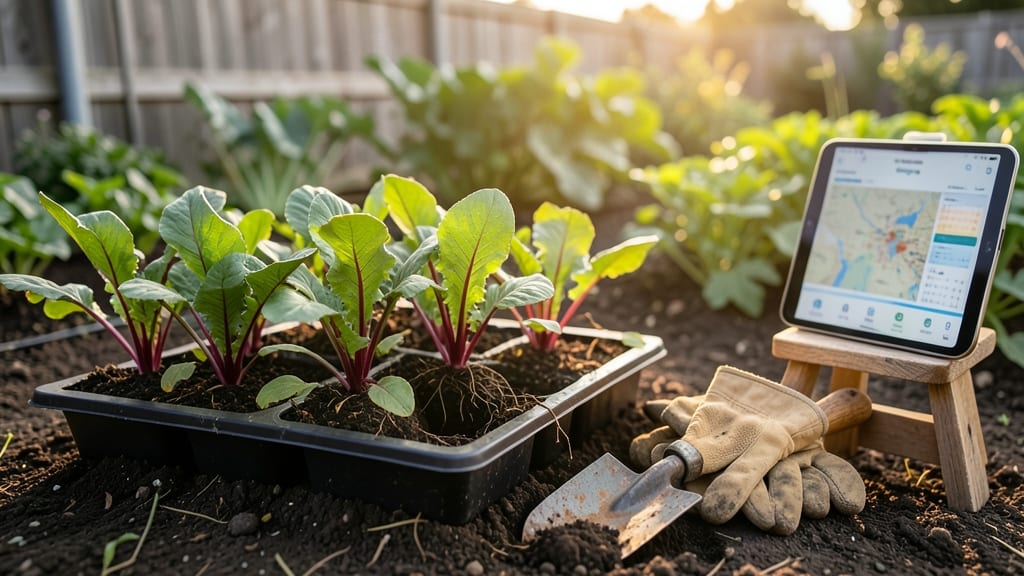
Planting beets in Southern California might seem simple, but getting the timing right is the key to avoiding bitter, woody roots or premature bolting. With our frost-free winters and varied microclimates, knowing when to sow these 🍠 gems makes all the difference between a thriving garden and a disappointing harvest.
Most gardeners here focus on two perfect windows: late summer through early fall and again in early spring. But coastal areas like San Diego can handle a slightly later start than inland desert regions.
The secret lies in keeping soil temperatures cool—below 75°F—which prevents those seeds from bolting before they even sprout.
What I’ve learned from years of experimenting is that September through October gives you the sweetest, tender roots by harvest time. That’s when daytime highs stay mild enough for steady growth, and nights cool down just enough to prevent stress.
Spring planting works too, but timing it right means avoiding the brutal heat of summer that turns beets tough as boots.
Ready to grow beets that taste like they came straight from a farmers' market? I’ll walk you through the exact planting schedule for your specific microclimate, plus pro tips to keep your beets happy from seed to harvest. Let’s get those roots growing!
Best planting months for beets in Southern California’s 3 key microclimates
Southern California’s three distinct microclimates—coastal, inland desert, and valley—create wildly different growing conditions for beets. Coastal areas like Malibu and Santa Barbara enjoy mild winters and cool summers, while inland desert regions such as Palm Springs face extreme heat and low humidity. Valley zones like the San Fernando Valley offer warm days and cooler nights, perfect for extended harvests.
Understanding these differences ensures your beets thrive without bolting or turning woody.
Beets are cool-season crops that prefer temperatures between 50°F and 75°F. Planting at the wrong time can lead to bitter roots or premature flowering.
In coastal areas, you can even enjoy year-round production with careful timing, while inland desert gardeners must focus on fall and winter planting to avoid summer’s scorching heat. Let’s break down the ideal planting windows for each microclimate.
⚠️ Key Rule: Never plant beets when daytime temperatures exceed 80°F, as this triggers bolting. Use shade cloth or opt for heat-tolerant varieties like 'Detroit Dark Red' if you must plant in borderline months.
In coastal regions, the fall planting window (September–October) is ideal because daytime highs stay below 75°F, preventing bolting. Spring planting (February–March) works too, but avoid planting after mid-March when temperatures climb.
Coastal areas benefit from extended harvests due to their mild winters, so you can even try a light winter crop in December if using row covers.
For inland desert areas, timing is critical. Plant in late summer (August–September) to catch the cooler fall temperatures, or opt for winter planting (January–February) when days are mild. Avoid summer planting—beets will bolt within weeks under 90°F+ heat.
Desert gardeners should also mulch heavily to retain moisture and cool soil temperatures.
Valley regions like the San Fernando Valley offer a goldilocks zone for beets, with September–October being the sweet spot for fall crops. Spring planting (February–March) also works well here, but stop by April when heat ramps up.
Unlike coastal areas, valleys experience occasional light frost, so protect young seedlings with frost cloth if temperatures dip below 35°F.
Pro tip: Use succession planting every 2–3 weeks in fall to ensure a steady harvest. In coastal areas, you can even stagger plantings from September through November for roots ready to harvest through winter. For inland deserts, January–February plantings will yield harvests just as spring warms up.
One common mistake is assuming Southern California’s frost-free climate means beets can grow anytime. Heat stress is the real enemy—beets planted in June or July will bolt or develop hard, woody roots.
Instead, focus on cool-season windows and use shade cloth (30–50%) if you must plant in borderline months like April or October.
To maximize success, test your soil’s pH (6.0–7.0) and amend with compost before planting. Beets need consistent moisture, so water deeply 1–2 inches per week and avoid overhead sprinkling to prevent disease. With the right timing, your beet harvests will be sweet, tender, and ready to enjoy year-round.
🌱 Ready to plant? Grab your seeds, mark your calendar, and choose the microclimate-specific window that works best for your garden!
How to adjust planting for Southern California’s unpredictable weather patterns
Southern California’s weather is famously unpredictable—one day it’s coastal fog chilling your plants, the next it’s a heatwave turning your soil to concrete. For beets, this means late-season rains can drown seedlings, while sudden heat can make them bolt or turn woody.
The key is flexibility: adjust your planting schedule and care routine to match the forecast, not just the calendar.
Start by monitoring weekly weather patterns instead of relying on fixed planting dates. Use a succession planting strategy—sow small batches every 2-3 weeks during ideal windows (September-October for fall, February-March for spring). This way, you’ll always have fresh beets ready to harvest before extreme conditions set in.
Here’s the critical adjustment: if the forecast calls for unseasonable heat during your usual planting window, delay by 2-4 weeks or use shade cloth (30-50% coverage) to protect young plants. Coastal areas may experience delayed rains—wait until soil temperatures drop below 75°F before sowing.
Planting beets in May-July triggers bolting (flowering) from heat stress. If you must plant late, choose heat-tolerant varieties like 'Detroit Dark Red' and provide afternoon shade. Even then, expect smaller, tougher roots—prioritize fall planting for best results.
Soil moisture management is non-negotiable. Southern California’s dry summers and occasional downpours create perfect conditions for uneven watering. Use drip irrigation on a timer to deliver 1 inch of water weekly, and always water in the early morning to prevent fungal diseases from overnight humidity.
Mulch with straw or wood chips to retain moisture and regulate soil temperature.
For coastal fog-prone areas, beets can handle the dampness, but watch for powdery mildew on leaves. Space plants 12-18 inches apart to improve airflow, and avoid overhead watering.
Inland desert regions? Focus on deep watering—beets need consistent moisture to develop sweet, tender roots. Let the soil dry slightly between waterings to prevent rot.
Don’t forget to harvest strategically. If a heatwave is forecast, pull mature beets (roots 1-2 inches wide) early to avoid toughening. Store them in a cool, dark place for up to 2 weeks.
For a continuous harvest, replant every 3-4 weeks during mild seasons, adjusting for local weather trends each year.
With these adjustments, you’ll beat Southern California’s weather—no matter what Mother Nature throws your way. The result? Sweet, tender beets all season long, even with the unpredictable conditions we love (and sometimes hate) here. 🌱