
Plants
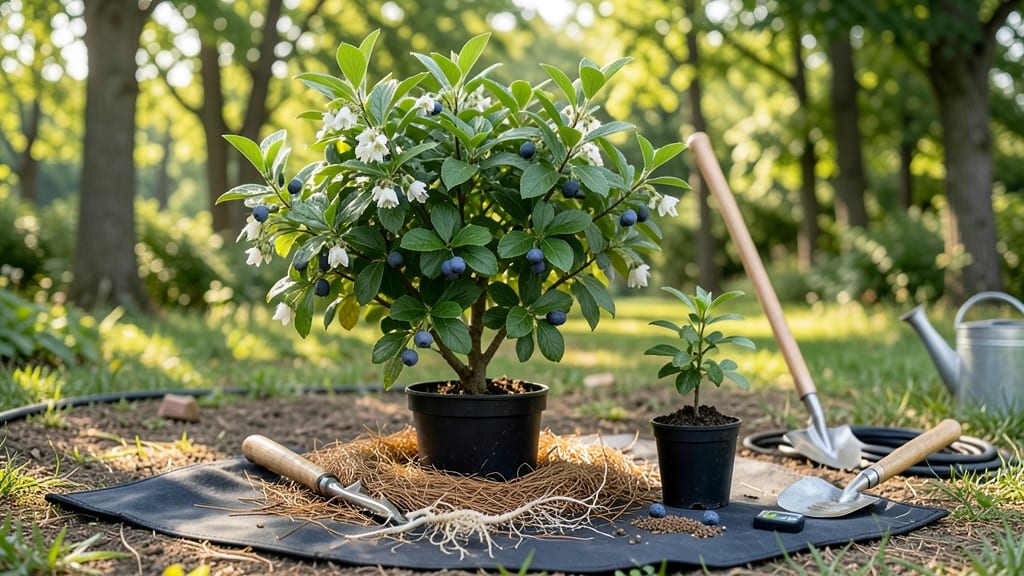
Planting blueberries in Maryland isn’t just about timing—it’s about giving your 🫐 bushes the perfect chill-hour start to thrive in Zones 6b-7a. If you wait too late in spring, your plants might struggle to establish roots before summer heat sets in, while planting too early risks frost damage.
The sweet spot? Late March through early May for bare-root bushes or April to June for container-grown plants, when soil warms but nights stay cool enough to prevent stress.
Maryland’s climate is actually one of the best in the U.S. for blueberries, but the key is matching your variety to your specific chill-hour needs. Some bushes need 500+ hours below 45°F to flower properly, while others do fine with 300-400 hours.
Without enough chill, you’ll end up with buds that never open—or worse, no fruit at all. Let’s break down how to pick the right variety and plant it at the exact moment it’ll take off in your yard.
You might think early spring is the only option, but fall planting can work too—if you time it right. The trick is getting your bushes in the ground 4-6 weeks before your first frost (usually by early November in Maryland).
This gives roots time to establish before winter dormancy kicks in. We’ll walk you through the best methods for both seasons, plus how to prep your soil to avoid the #1 mistake Maryland gardeners make that kills blueberry plants before they even bear fruit.
Whether you’re a first-time grower or a seasoned gardener looking to boost your harvest, this guide will help you skip the trial-and-error phase.
By the end, you’ll know exactly when to plant, which varieties will flourish in your microclimate, and how to keep your blueberries producing juicy, homegrown berries for years to come—no guesswork required.
Best planting months for blueberries in Maryland’s Zone 6-7 (with chill-hour breakdown)
Maryland’s Zone 6-7 climate offers perfect conditions for growing blueberries, but getting the planting timing right is everything. The key lies in understanding chill hours—the number of hours below 45°F your bushes need to flower and fruit.
In Maryland, most areas accumulate 800-1,200 chill hours annually, but microclimates near the coast or mountains may vary.
For bare-root blueberries, the sweet spot is late March to early May, when soil thaws but buds haven’t yet broken. This gives roots time to establish before summer heat arrives.
If you prefer container-grown plants, you can extend planting through June, though early spring still gives the best head start.
Here’s how Maryland’s microclimates break down for planting:
| Planting Window | Chill Hours Needed | Best Varieties | Maryland Microclimate |
|---|---|---|---|
| Late March–Early May | 800–1,200 hours | Duke, Patriot, Bluecrop | Western MD (Hagerstown, Frederick) |
| April–June (containers) | 600–900 hours | Jersey, Premier | Coastal (Annapolis, Baltimore) |
| Late September–October | 500–800 hours | Chandler, Top Hat | Eastern MD (Salisbury, Ocean City) |
Why does chill hour timing matter so much? Blueberries need cold dormancy to trigger flowering. If planted too late in spring, your bush may skip flowering entirely.
For example, Duke blueberries need 900+ chill hours to thrive in Maryland’s Zone 6, while Jersey (a southern variety) gets by with just 600 hours—ideal for coastal areas.
To check your local chill hours, use the USDA Plant Hardiness Zone Map or a chill hour calculator like the one from the University of Maryland Extension. Simply input your ZIP code to see if your area aligns with Zone 6b (800–1,000 hours) or Zone 7a (1,000–1,200 hours).
If you’re in a warmer microclimate, like near the Chesapeake Bay, choose low-chill varieties to avoid poor flowering.
One common mistake is planting in early spring (February)—this risks frost damage to emerging shoots. Instead, wait until soil temperatures hit 45°F consistently.
Use a soil thermometer to monitor, or follow local frost dates: Aim for 2–4 weeks after the last frost, typically around mid-April in most of Maryland.
For container planting, the window extends later into summer because pots warm up faster. However, avoid planting after July, as new roots won’t have time to establish before winter.
If you’re in Zone 7 (e.g., southern Maryland), prioritize early spring planting to ensure enough chill hours for flowering.
Pro tip: If you’re unsure about your chill hour requirements, start with Patriot blueberries—they’re a Zone 6-7 favorite with 900–1,200 chill hours and produce early-season fruit, giving you a buffer if your area has borderline chill hours.
Pair it with Bluecrop for cross-pollination and double the harvest!
Remember, soil prep is just as critical as timing. Maryland’s native soil is often too alkaline for blueberries—aim for a pH of 4.5–5.5 by amending with peat moss or sulfur. Test your soil in early spring and adjust before planting to avoid stunted growth.
With the right planting window and chill hour match, your Maryland blueberry bushes will reward you with juicy, homegrown berries for years to come. Start now, and you’ll be picking ripe blueberries by June!
How to choose blueberry varieties based on Maryland’s chill requirements (top 5 picks)
Maryland’s Zone 6-7 climate offers perfect conditions for blueberries, but not all varieties thrive equally. The key factor? Chill hours—the number of hours below 45°F your bushes need to set fruit. Most Maryland locations average 800-1,200 chill hours, so choosing the right variety ensures bountiful harvests every summer.
Southern highbush varieties like Duke and Patriot dominate Maryland gardens because they require 300-500 chill hours, making them ideal for our milder winters.
Northern highbush types (like Bluecrop) need 600-900 chill hours and may struggle in warmer microclimates, while rabbiteye varieties (like Climax) demand 500-700 chill hours—perfect for central Maryland’s cooler pockets.
For maximum yields, pair varieties with complementary pollination schedules. Duke (early season) and Patriot (mid-season) pollinate each other beautifully, while adding Bluecrop (late season) extends your harvest window.
Avoid planting two identical varieties—they won’t cross-pollinate! My garden’s 3-bush combo (Duke + Patriot + Bluecrop) produces berries from June through August.
Dwarf varieties like Top Hat (400 chill hours) are perfect for containers or small spaces, while Jersey (500 chill hours) thrives in raised beds. Both handle Maryland’s humidity well but need well-draining soil—amend clay soil with peat moss or pine bark to prevent root rot.
Test your soil’s pH first; blueberries demand 4.5-5.5—any higher, and your plants won’t fruit.
Pro tip: Plant bare-root bushes in early spring (March-April) when soil is workable but before buds swell. Container-grown plants can go in until June, but water deeply 2-3 times weekly to help roots establish.
Mulch with pine needles to maintain acidity and suppress weeds—this mimics their natural forest floor habitat.
Remember: Maryland’s Zone 6-7 microclimates vary wildly. If you’re in western Maryland (cooler, more chill hours), you can grow Earliblue (600 hours). But in eastern Maryland’s warmer zones**, stick to Duke or Patriot to avoid poor flowering.
Check your local Cooperative Extension Service for precise chill-hour data—it’s the secret to blueberry success!