
Companion Plants
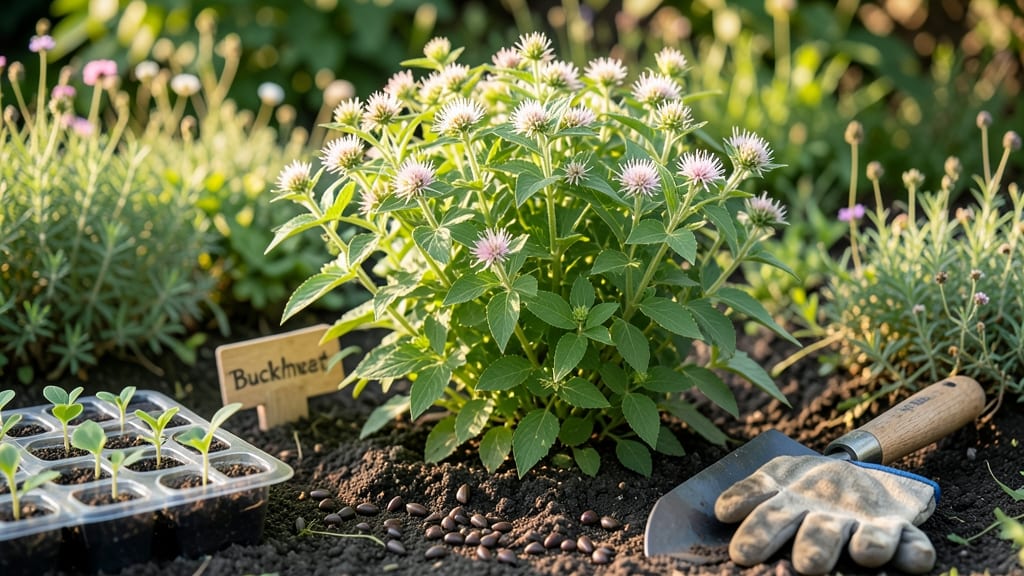
Timing your buckwheat planting just right in Pennsylvania can mean the difference between a fast-growing cover crop and wasted seeds. With USDA zones 5b-7a and microclimates that vary from Pittsburgh to Philadelphia, knowing the exact heat zone deadlines is key to unlocking buckwheat's full potential.
Most gardeners assume spring is the only window for buckwheat, but Pennsylvania's climate actually supports two prime planting seasons. Whether you're aiming for summer greens or fall cover crops, the right timing ensures your 🌾 seeds germinate quickly and thrive.
Let’s break down the county-specific heat zone rules that make all the difference.
Spring planting kicks off after the last frost—typically around April 15—but fall offers a second chance from August 1 to September 15. The secret?
Soil temperatures must hit at least 50°F for those fast germination results you’re after. Miss these windows, and you risk slow starts or weak growth.
Ready to grow buckwheat like a pro? I’ll walk you through the exact deadlines, soil prep tips, and companion plants that work best in Pennsylvania’s diverse regions. No more guesswork—just a guaranteed harvest.
Pennsylvania buckwheat planting deadlines by heat zone (USDA 5a-7a)
Pennsylvania's diverse climate—from Erie's cooler lakeside zones to Philadelphia's urban heat islands—creates distinct planting windows for buckwheat. Timing directly impacts germination speed and yield, especially since buckwheat thrives in soil temperatures between 50°F and 85°F. Miss these deadlines, and you risk slow starts or frost damage before harvest.
For fast germination, aim to plant when soil reaches 50°F—a threshold most of Pennsylvania hits by mid-April in southern regions but not until late April in northern areas. Fall plantings must occur 6-8 weeks before first frost to ensure maturity.
Microclimates near cities or water bodies can shift these dates by 1-2 weeks, so always check local frost records.
Below is your county-specific planting timeline, organized by USDA heat zones. Whether you're growing buckwheat for cover crops, edible greens, or grain harvest, these deadlines ensure optimal results.
Pro tip: Use a soil thermometer to confirm readiness—buckwheat seeds won’t sprout reliably below 50°F, even in spring.
In Philadelphia (USDA 7a), buckwheat seeds can hit the ground as early as April 15, thanks to urban warmth. But rural Erie County (USDA 5b) gardeners should wait until May 1—cooler soils delay germination by up to 2 weeks.
The key is soil temperature, not air temperature: buckwheat seeds need 50°F+ soil to sprout reliably, even if daytime highs reach 60°F.
For fall plantings, prioritize August 1 in northern zones and September 10 in southern zones. This ensures buckwheat matures before first frost, which typically arrives October 15 in most of Pennsylvania. In Pittsburgh's valleys, plant 3 days earlier than county averages—warmer microclimates extend the growing season.
If you're growing buckwheat for cover crops, aim for late August plantings in cooler zones to suppress weeds before winter. For grain harvests, stick to spring deadlines—fall-planted buckwheat rarely produces viable seeds before frost.
Always test soil moisture before planting: buckwheat prefers well-drained but consistently moist soil, especially during germination.
Pro tip: Use black plastic mulch in early spring to warm soil faster and meet the 50°F threshold sooner. This is especially useful in Erie and rural zones, where cooler soils slow germination.
Remove mulch once seeds sprout to prevent overheating. For container growing, plant in May—pots cool faster and may not reach ideal soil temps earlier.
Remember: Buckwheat's fast growth (30-45 days to maturity) makes timing critical. Plant too late in spring, and you risk bolting before harvest. Plant too early in fall, and frost will kill seedlings before they establish. Use these deadlines as your guide, but always
Spring vs. fall buckwheat planting: which works best in PA’s climate?
Pennsylvania’s diverse climate zones (USDA 5b-7a) create a unique challenge for buckwheat growers. Spring planting (April–May) offers faster germination, while fall planting (August–September) reduces competition. Let’s compare both strategies to help you decide which works best for your PA county’s microclimate.
Spring buckwheat thrives in warmer soil temperatures (50°F+), which Pennsylvania typically hits by mid-April in southern regions. However, late frosts in northern areas (like Erie) can delay planting until May. Fall planting, on the other hand, avoids summer heat stress and gives plants a longer growing season before frost.
Soil moisture is another critical factor. Spring planting often requires consistent irrigation due to dry winds, while fall-planted buckwheat benefits from cooler temperatures and natural rainfall. In humid southern PA, fall planting can reduce fungal risks like powdery mildew.
Spring Planting (April–May)
- Faster germination (7–10 days)
- Higher yield potential (30–50 days to harvest)
- Better for cover crops (suppresses weeds early)
- Risk of late frosts (northern PA)
- Requires irrigation (dry spring winds)
- Competes with weeds (early growth phase)
Fall Planting (August–September)
- Avoids summer heat stress
- Natural rainfall reduces irrigation needs
- Later harvest timing (September–October)
- Shorter growing season (45–60 days to maturity)
- Frost risk in October (northern PA)
- Lower yield potential (if planted too late)
For urban gardeners in Philadelphia, spring planting (late April) often yields better results due to warmer microclimates. Meanwhile, rural areas in central PA (like Lancaster) benefit from fall planting to extend the harvest window.
Always check your local frost dates—southern PA can handle fall plantings until September 15, while northern regions should stop by August 20.
If you’re growing buckwheat for grains or cover crops, spring planting is ideal. For late-season greens or pollinator support, fall planting shines. Test both methods in small plots to see which aligns best with your PA garden’s conditions.
Remember: Soil temperature (not air temperature) dictates germination. Use a soil thermometer to confirm 50°F+ before planting—this is critical for both spring and fall success in Pennsylvania’s variable climate. 🌾