
Plants
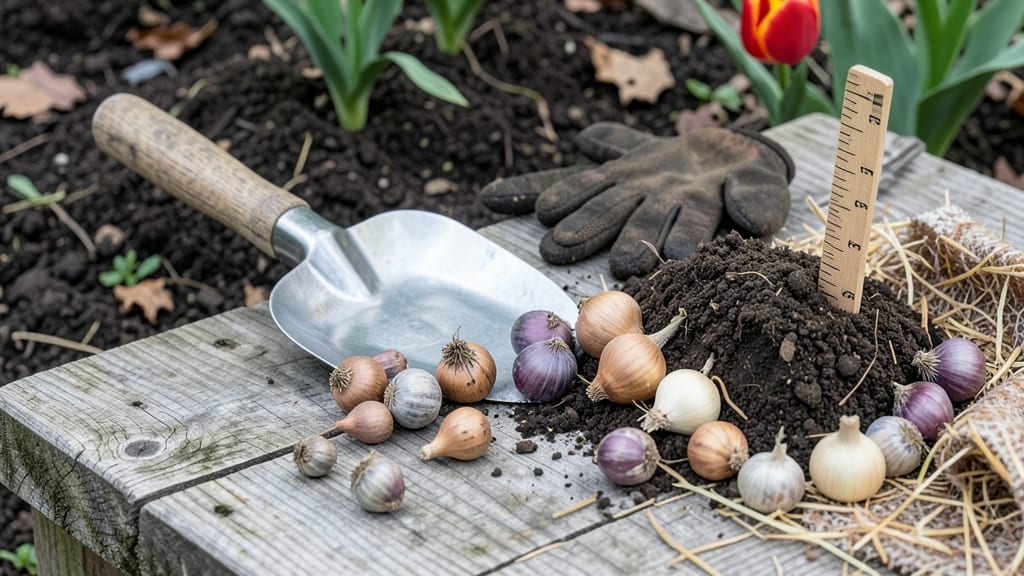
Planting bulbs at the right time in Zone 6 can turn your garden into a springtime explosion of color—but get it wrong, and you might end up with nothing but disappointment.
The secret lies in understanding when to plant bulbs in Zone 6, where chill-hour needs vary wildly between varieties like tulips, daffodils, and alliums.
Most gardeners know fall is the prime window for planting 🌷 bulbs, but the exact timing depends on your local frost dates and the specific type of bulb.
In Zone 6, you’ve got roughly 6-8 weeks before the ground freezes to get them in the soil, and missing that window can mean missed blooms. But here’s the twist: some bulbs, like crocuses, can handle early planting, while others, like dahlias, need a later start.
If you’ve ever wondered whether spring planting is an option—or how to adjust for early vs. late bloomers—this guide breaks it all down.
I’ll walk you through the ideal planting months, the chill-hour requirements that matter most, and how to avoid common mistakes that ruin bulb success in Zone 6’s variable climate.
Ready to transform your garden? Let’s dive into the best times to plant bulbs in Zone 6 so you can enjoy a reliable, stunning display year after year.
Optimal planting months for Zone 6 bulbs based on chill-hour needs
Zone 6 gardeners know timing is everything when planting bulbs. Chill-hour requirements determine whether your tulips, daffodils, or alliums will bloom reliably. Too little cold exposure, and flowers may fail to appear.
Too much, and you risk bulb rot. Let’s break down the perfect planting windows for your favorite varieties based on their specific needs.
Most bulbs thrive when planted in fall (September-November), allowing roots to establish before winter. However, some varieties—like tender bulbs—prefer spring planting (March-April) in Zone 6’s variable climate. Understanding these differences ensures your garden bursts with color every season.
Here’s a quick reference for chill-hour needs and planting windows:
For tulips and hyacinths, aim to plant by mid-October in Zone 6 to ensure they get enough cold exposure. These bulbs typically need 1,000–1,500 chill hours, which aligns perfectly with Zone 6’s winter.
If you miss the fall window, you can still plant daffodils and alliums in early spring, but expect slightly later blooms.
Zone 6’s variable climate means soil temperatures fluctuate. Use a soil thermometer to confirm the ground is below 60°F before planting in fall. This prevents premature sprouting, which can weaken bulbs.
In northern Zone 6 (6a), plant earlier (late September). In southern Zone 6 (6b), wait until October to avoid early freezes.
If you’re planting tender bulbs like dahlias, wait until after the last frost (typically mid-April in Zone 6). These bulbs lack cold hardiness and won’t survive winter outdoors. Instead, plant them in well-draining soil once nighttime temperatures consistently stay above 50°F.
For early bloomers like crocuses, plant in September to ensure they push through snow for those first signs of spring. Their lower chill-hour needs (400–800 hours) make them more flexible,
How to adjust planting timing for early vs late bloomers in Zone 6
Zone 6 gardeners know that timing is everything when planting bulbs. Early bloomers like crocuses and snowdrops need to establish roots before winter, while late bloomers like dahlias and gladiolus can wait until spring.
The key is understanding each plant's chill-hour needs and frost sensitivity to avoid wasted effort or frost damage.
For early bloomers, planting in late September to early October gives roots time to grow before the ground freezes. These hardy plants often bloom before spring bulbs like tulips, creating a sequential color display.
Meanwhile, late bloomers like dahlias need to wait until after the last frost (typically mid-April in Zone 6) to avoid frost damage to their tender tubers.
Here’s how to time your plantings for maximum seasonal interest:
- 1
- 2
- 3
- 4
One of my favorite tricks is to plant crocuses under spring bulbs like tulips. The crocuses peek through snow, while tulips take center stage in May—zero extra work, just layered beauty! Just ensure well-draining soil to prevent rot, especially for late bloomers.
For Zone 6’s variable climate, always check your local frost dates—they can shift 1-2 weeks yearly. A soil thermometer ($10 at garden centers) helps confirm when soil temps drop below 50°F, signaling it’s time to plant fall bulbs.
Late bloomers? Wait until soil warms to 60°F before planting.
By aligning planting times with bloom cycles, you’ll enjoy continuous color from February to October. Start with crocuses in early spring, transition to tulips and daffodils in April, and cap the season with dahlias and gladiolus in summer. Your garden will thank you! 🌷