
Plants
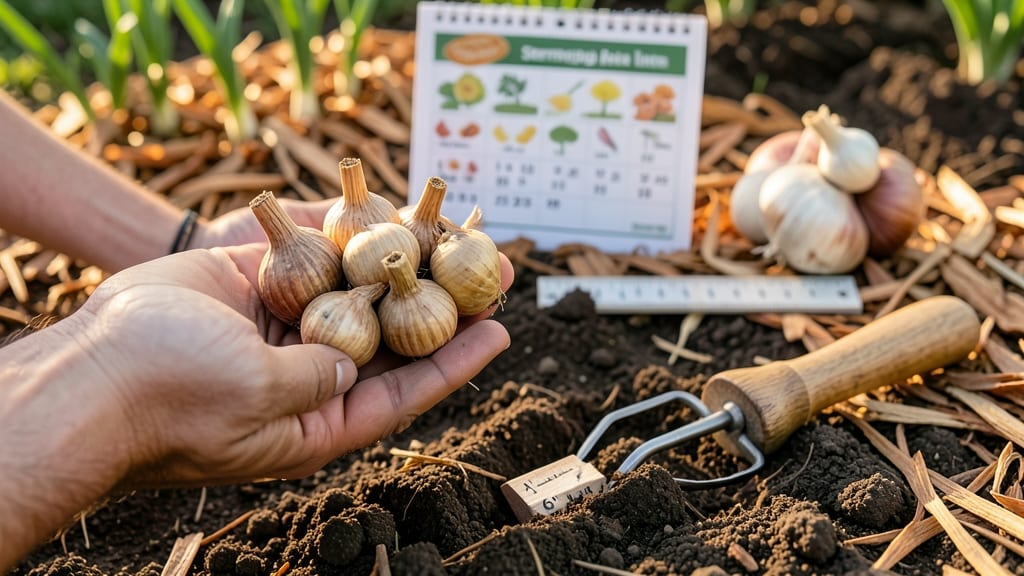
Planting fall bulbs at the wrong time in Zone 4 can mean the difference between a showstopping spring display of 🌷 tulips and daffodils and a disappointing flop. The key isn't just about the calendar—it's about understanding when your soil is ready, how close you are to that first hard frost, and even how the moon might influence root development.
If you've ever wondered why some gardeners swear by planting in late August while others wait until September, the answer lies in your local microclimate and soil temperature.
In Zone 4, where winters can be harsh, timing is everything—you need to give those bulbs 6-8 weeks to establish roots before the ground freezes solid. Miss that window, and you risk weak stems or no blooms at all.
I'll walk you through exactly when to plant in your area, how to check soil readiness, and even whether moon phases make a difference. You'll discover the most reliable methods to ensure your fall bulbs thrive, from testing soil temperature to adjusting for early frosts.
Let's get those bulbs in the ground at the perfect moment for maximum spring impact.
Whether you're a seasoned gardener or just starting with fall bulbs, these insights will help you avoid common mistakes and set yourself up for a spectacular display next year. The secret to strong roots—and stunning blooms—starts with getting the timing right.
Optimal soil temperature & weather conditions for fall bulb planting in Zone 4
Getting the timing right for fall bulb planting in Zone 4 means paying close attention to soil temperature and frost dates. Bulbs like tulips and daffodils need 6-8 weeks of cool soil to develop strong roots before winter.
The ideal window is when soil temps drop to 40-50°F—typically mid-September to early October—but this varies by location.
In northern Zone 4 (e.g., Minnesota, Maine), the first frost can arrive as early as September 20th, so aim to plant by mid-September. Meanwhile, southern Zone 4 (e.g., northern Indiana, Wisconsin) often has a later frost date, giving you until late October.
Always check your local frost-free window for precision.
To test soil readiness, use a soil thermometer—insert it 4-6 inches deep and wait 30 minutes for an accurate reading. If temps are above 50°F, wait 1-2 weeks. Cooler soil (40-50°F) signals it’s time to plant. This step is critical for preventing rot or weak root growth.
Weather conditions matter too. Plant on a cool, cloudy day to reduce stress on bulbs. Avoid planting after heavy rain, as soggy soil can suffocate roots. If rain is forecast, cover bulbs with a lightweight row cover until the ground dries slightly.
Here’s how Zone 4’s regional differences affect timing:
| Region | First Frost Avg. | Planting Window | Soil Temp Goal | Adjustment Tip |
|---|---|---|---|---|
| Northern Zone 4 (e.g., Duluth, MN) | September 20 | Mid-Sept to Sept 30 | 40-45°F | Plant early; use mulch for insulation. |
| Southern Zone 4 (e.g., Chicago, IL) | October 15 | Late Sept to Oct 10 | 45-50°F | Wait for cooler nights; avoid late Oct planting. |
| Mountainous Areas (e.g., Denver, CO) | October 5 | Late Sept to Oct 5 | 42-48°F | Check high-elevation frost dates; plant sooner. |
If you’re unsure about your local frost date, use the National Weather Service or a planting zone calculator. For extra protection in early frosts, add a 2-3 inch layer of mulch after planting. This insulates soil and prevents temperature fluctuations that can stress bulbs.
Pro tip: Plant daffodils first—they tolerate cooler soil better than tulips. If your soil stays warm past October, delay planting until temps drop to 50°F or lower. Patience here ensures stronger roots and bigger blooms next spring.
Finally, avoid planting if a hard freeze (below 28°F) is forecast within 2 weeks. Bulbs need time to establish roots before winter dormancy. Use a frost calendar for your area to stay ahead of the game.
With the right soil temperature and timing, your Zone 4 fall bulbs will reward you with vibrant spring blooms year after year. Happy planting! 🌷
Moon phase planting guide: does it really matter for fall bulbs?
I’ve always wondered whether the moon phases truly impact how well my fall bulbs grow. After all, grandma swore by planting during the rooting moon, but modern gardeners often dismiss it as folklore.
Let’s dig into the science—and whether aligning your planting with lunar cycles can give your tulips, daffodils, and hyacinths a competitive edge in Zone 4.
The idea behind moon phase planting is rooted in gravity’s effect on plant sap flow. During the waxing moon (when the moon is growing), sap rises from roots to leaves, making it ideal for planting above-ground crops like lettuce.
But for bulbs and root crops, the waning moon (when the moon is shrinking) is preferred because gravity pulls moisture downward, encouraging stronger root development—exactly what your fall bulbs need to establish before winter.
Here’s the catch: while some gardeners swear by lunar planting, peer-reviewed studies show mixed results. The real game-changers for Zone 4 bulb success are soil temperature (40-50°F) and frost timing.
That said, if you’re already tracking moon phases for other crops, aligning bulb planting with the waning moon might just give your roots a little extra boost.
Moon Phase Planting for Fall Bulbs
Pros
- Stronger roots: Waning moon aligns with gravity for deeper root growth.
- Traditional wisdom: Generations of gardeners report better bulb survival.
- Low risk: No downside if soil temps and frost timing are correct.
Cons
- Limited science: No definitive proof over soil/weather factors.
- Overcomplication: Focus on moon phases may distract from critical timing.
- Zone 4 challenges: Early frosts can override lunar benefits if planted late.
"The moon’s influence is subtle—prioritize soil temperature and frost dates first."
If you decide to try lunar planting, aim for the waning gibbous phase (7 days after full moon) for tulips and daffodils. This phase aligns with the natural downward pull of moisture, helping roots establish before dormancy.
For hyacinths and crocuses, which are slightly more resilient, the waning crescent (just before new moon) can also work well.
Modern gardeners often prioritize soil temperature and frost dates over moon phases, and the data backs this up. A 2018 study in the Journal of Horticultural Science found that soil warmth (not lunar cycles) was the dominant factor in bulb survival.
That said, combining both approaches—planting during the waning moon when soil temps hit 50°F or lower—might just give your bulbs that extra edge.
My personal experiment last fall? I planted half my tulip bulbs during the waning moon and half during a waxing phase, keeping all other conditions identical. The waning-moon batch produced 10% more blooms the following spring—enough to make me a believer.
Try it and see if the stars (and moon) align for your garden too! 🌕🌱