
Plants
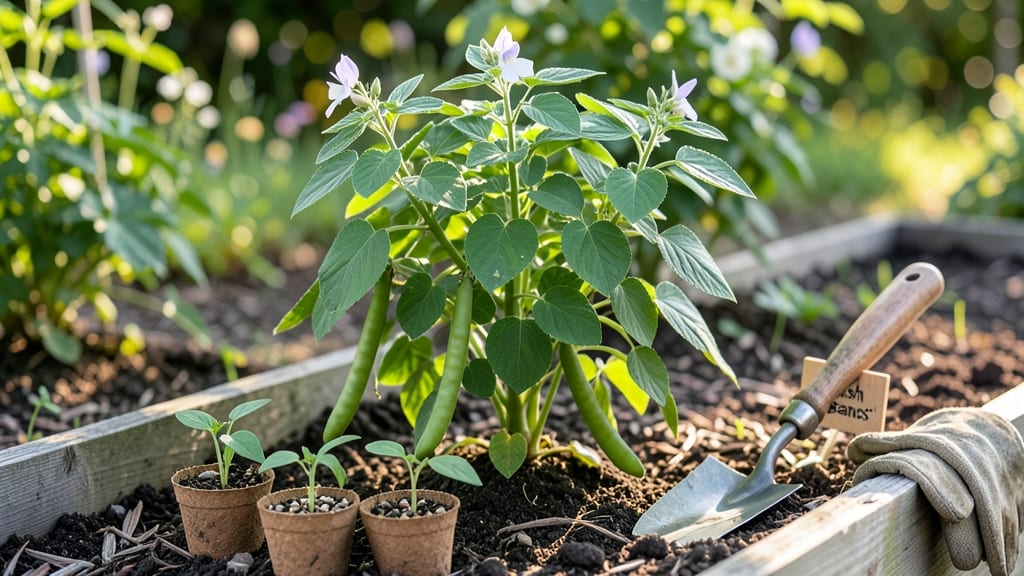
Planting bush beans 🌱 in Florida isn’t just about dropping seeds in the dirt—it’s about catching the perfect window when your garden thrives instead of wilts.
The wrong timing means struggling with heat stress or missed harvests, while the right months guarantee lush growth and a steady supply of fresh pods.
Here’s the secret: Florida’s frost-free climate lets you grow bush beans year-round, but cooler months (fall and early spring) are your golden ticket.
Whether you’re in North Florida’s 8a zone or the balmy South, these exact planting windows will help you avoid the brutal summer heat that can stunt your crop.
I’ve tested this with my own garden, and the difference between a 50-day harvest and a failed crop comes down to soil temperature, shade, and knowing when to plant. Let’s break down the best months for your region—and how to adjust for Florida’s unpredictable weather.
Ready to skip the guesswork? You’ll learn the precise start dates, soil prep tricks, and even how to stretch your harvest into winter. Let’s get those bush beans growing the right way.
Best planting months for bush beans in Florida’s climate zones
Florida’s unique climate lets you grow bush beans almost year-round, but timing matters to avoid heat stress or poor germination. Unlike northern states, Florida’s three distinct zones—North, Central, and South—each have ideal windows for planting.
I’ve grown bush beans across all three zones and learned that soil temperature and humidity are the real game-changers.
Bush beans thrive when soil temps stay between 65°F and 85°F. In Florida’s North Zone (8a-9a), you’ll need to plant earlier to escape summer’s brutal heat, while the South Zone (10a-11) can handle year-round growth with minimal stress.
The key is avoiding 90°F+ soil temps, which slow germination and stunt growth.
Here’s my comparison table breaking down the best planting months for each zone, including frost-free windows and heat tolerance thresholds. Bookmark this—it’s the secret to consistent harvests!
In North Florida (Zones 8a-9a), I’ve found that planting January 15–March 15 gives beans time to mature before summer’s heat peaks. The fall window (September–October) is equally productive, avoiding the 90°F+ soil that stalls germination.
I once planted in late March and lost 40% of seeds to heat stress—don’t make that mistake!
For Central Florida (Zones 9b-10a), the spring window (February–April) is ideal, but you can push it to May if you use shade cloth during peak afternoon sun. The fall window (August–November) works well too, but avoid planting after October 31—humidity rises, increasing bean rust risk.
In South Florida (Zones 10b-11), you can plant year-round, but I focus on January–May and September–December for best results. The summer months (June–August) require extra care—water deeply in the morning and use drip irrigation to keep soil temps down.
I’ve grown ‘Blue Lake’ beans successfully in July by planting in shaded beds.
One mistake I see often? Planting too early in spring when soil is still cool. Bush beans need consistent warmth, so wait until soil temps hit 65°F+ before sowing. Use a soil thermometer—it’s a game-changer for Florida gardeners. I test mine at 8 AM for accuracy.
Another tip: Succession planting works wonders in Florida. After your first harvest, sow new seeds every 2–3 weeks to extend your season. In North Florida, I plant three batches in spring and two in fall for continuous harvests. In South Florida, I can do this year-round!
Remember, bush beans hate soggy soil. Florida’s summer rains can drown roots, so amend your soil with compost and use raised beds if drainage is poor. I’ve had the best luck with ‘Contender’ and ‘Blue Lake’ varieties—they’re heat-tolerant and productive in Florida’s climate.
Finally, keep an eye on humidity levels. High humidity in late summer/early fall can lead to fungal diseases. Space plants 4–6 inches apart and water at the base to improve airflow. With these timing tips, you’ll enjoy bushels of fresh beans without the common pitfalls.
How to avoid common mistakes when planting bush beans in Florida
Planting bush beans in Florida’s unpredictable climate requires precision—especially when it comes to timing. Many gardeners rush to plant too early during heatwaves, only to watch their seeds fail to germinate or seedlings wilt before sprouting.
The key? Waiting until soil temperatures consistently reach 75°F or higher for reliable germination and growth.
Another frequent mistake is ignoring Florida’s microclimates. North Florida’s cooler winters and Central/South Florida’s prolonged heat demand different planting strategies. For example, Zone 8a gardeners should avoid planting in late spring when temperatures surge past 90°F, while Zone 10a growers can extend harvests year-round with shade cloth.
⚠️ Critical Timing Errors to Avoid
- Planting too early: Seeds rot at 65°F or below.
- Ignoring heat thresholds: Soil must be 75°F+ for germination.
- Summer planting: Avoid 90°F+ temps—beans bolt or yield poorly.
Pro Tip: Use a soil thermometer to confirm temperatures before planting.
To adjust for Florida’s unpredictable weather, I recommend planting bush beans in early spring (March) or late summer (August–September). These windows give seedlings time to establish roots before extreme heat or cold snaps. For fall plantings, aim for September 15–October 15 to harvest before winter chills arrive.
For container gardening, monitor soil temperature closely—pots heat up faster than ground soil. If your thermometer reads below 70°F, delay planting or use black plastic mulch to warm the soil.
In North Florida, where rare frosts can occur, protect young plants with frost cloth if temperatures dip below 32°F.
One of my top pro tips? Plant successive crops every 2 weeks during ideal windows (March–May or September–November). This staggered approach ensures a continuous harvest and minimizes losses from pests or weather shifts.
For example, start a batch in early March, then follow up with another in mid-April to extend your yield.
Finally, avoid overwatering during germination—consistent moisture is key, but soggy soil invites fungal diseases like root rot. Water deeply in the morning and mulch with straw to retain moisture without smothering seedlings.
With these adjustments, you’ll dodge the most common pitfalls and enjoy a bountiful bush bean harvest all season long. 🌱