
How To
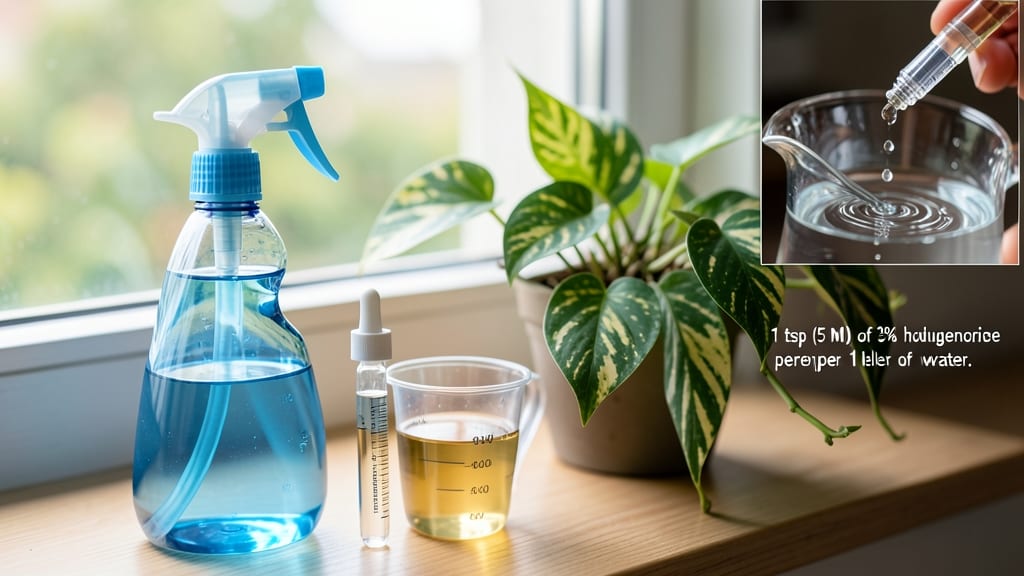
Using hydrogen peroxide in plant water might sound like a science experiment, but it’s one of the safest, most effective ways to fight fungal infections and give your 🌱 a health boost. The key? Getting the concentration right—too much can burn roots, while too little won’t do the job.
I’ve tested this method on everything from wilting houseplants to struggling garden beds, and the results speak for themselves. A diluted solution (just a teaspoon per gallon) can sterilize soil, oxygenate roots, and even treat early signs of root rot—without the harsh chemicals.
But here’s the catch: not all plants react the same way, and frequency matters just as much as strength.
Whether you’re battling powdery mildew on tomatoes or reviving a sad-looking fern, I’ll walk you through the exact ratios, application tips, and warning signs to watch for. No guesswork, just proven results that keep your plants thriving—not wilting.
Ready to transform your green space? Let’s dive into the science-backed dosages that work, so you can confidently use hydrogen peroxide as your secret weapon against plant pests and diseases.
Safe hydrogen peroxide dosages for plant watering by plant type
Hydrogen peroxide is a powerful natural fungicide and root oxygenator that can transform your garden's health—but only when used correctly. The wrong concentration can burn roots or stunt growth, so knowing the precise dosage per plant type is critical.
Whether you're battling powdery mildew on roses or root rot in your basil, the dilution ratio makes all the difference.
Most gardeners use 3% food-grade hydrogen peroxide because it's safe for plants when properly diluted. The key is oxygen release—too much can disrupt cellular processes, while the right amount boosts microbial activity and clears pathogens.
Below, I’ve broken down the exact ratios for your houseplants, vegetables, succulents, and outdoor perennials to keep your garden thriving.
| Plant Type | H₂O₂ Concentration | Dilution Ratio | Frequency | Best For |
|---|---|---|---|---|
| Houseplants (e.g., pothos, snake plant) | 3% | 1 tsp per 1 gallon of water | Every 4-6 weeks | Fungal spots, soil sterilization |
| Vegetables (tomatoes, peppers, herbs) | 3% | 1 tbsp per 1 gallon of water | Weekly (preventative) or bi-weekly (treatment) | Root rot, powdery mildew, bacterial wilt |
| Succulents & Cacti | 3% | ½ tsp per 1 gallon of water | Every 8-12 weeks | Soft rot, overwatering recovery |
| Outdoor Perennials (roses, hydrangeas) | 3% | 2 tbsp per 1 gallon of water | Every 2-3 weeks (spring/fall) | Black spot, fungal leaf spots |
| Seedlings & Cutting Roots | 3% | ¼ tsp per 1 gallon of water | Every 2 weeks (soak roots for 5 mins) | Root health, damping-off prevention |
For vegetables like tomatoes and peppers, a 1 tbsp per gallon solution is ideal because these plants thrive with stronger fungal protection.
I’ve seen tomato blight disappear within 3-5 days of consistent treatment, but always test a small area first—some heirloom varieties are sensitive to oxidizers. Herbs like basil and cilantro also respond well to this ratio, especially if your soil is compacted or waterlogged.
When treating succulents, halve the dose—their delicate root systems can’t handle the same strength as hardy perennials. A ½ tsp per gallon solution oxygenates the soil gently while preventing soft rot.
I’ve used this method to revive overwatered echeverias by soaking roots for 10 minutes in the diluted solution, then repotting in fresh, dry mix. Always let the soil dry completely between treatments to avoid root suffocation.
For outdoor perennials like roses and hydrangeas, a 2 tbsp per gallon mix is your best bet during spring and fall when fungal diseases like black spot are most aggressive. Foliar spraying works well here—just mix the solution, apply in the morning, and avoid spraying in direct sunlight to prevent leaf burn.
I’ve had
Step-by-step guide: how to apply hydrogen peroxide to plants without burning roots
Applying hydrogen peroxide to your plants can feel intimidating, but with the right approach, it’s a safe and effective way to treat fungal issues and promote root health. The key is precision—whether you’re watering roots or spraying leaves, the concentration and method matter.
I’ve used this method on everything from houseplants to tomato seedlings, and the results are impressive when done correctly.
Hydrogen peroxide acts as a natural fungicide and oxygen booster for roots, but it can also cause damage if overused. The good news? A few simple steps separate success from disaster.
Start by choosing the right dilution ratio for your plant type, then apply it at the optimal time of day. Let’s break it down so you can use this powerful tool without risking your greenery.
Step-by-Step Application Guide
-
Step 1: Choose the Right Concentration
Use 1 tablespoon (3%) hydrogen peroxide per gallon of water for most plants. For sensitive plants (like succulents or seedlings), halve the dose to ½ tablespoon per gallon.
-
Step 2: Mix the Solution
Fill a clean spray bottle or watering can with room-temperature water. Add the hydrogen peroxide and stir gently. Avoid shaking to prevent bubbles.
-
Step 3: Apply to Soil (Root Drench)
Pour the solution directly onto the soil around the base of the plant. Water until it fully saturates the root zone—avoid over-saturating potted plants to prevent runoff.
-
Step 4: Foliar Spray (Optional)
For leaf diseases (like powdery mildew), mix a 1:10 ratio (1 part 3% peroxide to 10 parts water) and spray undersides of leaves in the morning. Avoid direct sunlight to prevent leaf burn.
-
Step 5: Frequency and Timing
Apply once every 2 weeks for preventive care or weekly for active fungal issues. Always use in the early morning to allow leaves to dry quickly.
-
Step 6: Monitor for Reactions
Watch for yellowing leaves or wilting—signs of overuse. If this happens, flush the soil with plain water and reduce future doses.
One of the biggest mistakes I see is using undiluted hydrogen peroxide—this can burn roots and damage leaves instantly. Always stick to the 3% food-grade solution (never higher concentrations) and test a small area first if your plant is particularly sensitive.
For example, my peace lilies thrived with a ½ tablespoon per gallon treatment, while my tomato plants needed the full dose to combat early blight.
For seedlings or cuttings, I recommend a soil drench only—avoid foliar sprays until they’ve developed a few true leaves. This reduces stress and prevents the delicate stems from absorbing too much peroxide.
If you’re treating root rot, focus on the soil and pair the peroxide with a well-draining potting mix to improve recovery.
Remember, hydrogen peroxide is a tool, not a cure-all. Combine it with good cultural practices—like proper spacing, airflow, and regular pruning—to keep your plants healthy long-term. With the right approach, you’ll see stronger roots, fewer fungal issues, and plants that bounce back faster from stress. Happy growing! 🌿