
Plants
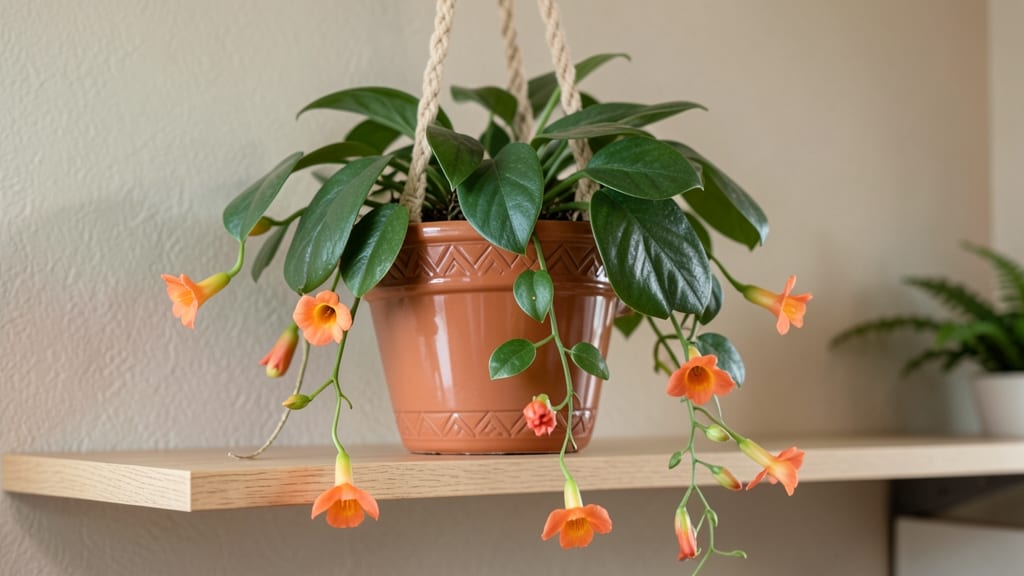
Want to know how much light does a goldfish plant need to thrive with vibrant leaves and healthy growth? The right amount of light is the game-changer—too little and it stretches weakly, too much and it crisps at the edges.
Most plant guides oversimplify light needs, but this delicate beauty actually prefers bright indirect light, making it perfect for east-facing windows or shaded spots.
If you've noticed your Goldfish Plant 🐟 developing leggy stems or pale leaves, it's likely reaching for more light than it's getting. The good news? Adjusting its placement can transform its appearance in just a few weeks.
We'll break down exactly where to position it for optimal health, whether you're working with indoor lighting or outdoor shade.
Unlike sun-loving plants that bake under harsh rays, Goldfish Plants crave gentle illumination—think dappled sunlight through sheer curtains rather than direct afternoon sun. I'll show you how to spot the signs of improper light and fix them before they become permanent problems.
Ready to give your Goldfish Plant 🐟 the perfect light conditions? Let's explore the ideal spots in your home, plus troubleshooting tips that actually work for keeping those leaves lush and happy year-round.

Goldfish plant light requirements: ideal sunlight conditions for lush growth
The goldfish plant (Columnea microphylla) thrives on bright indirect light, making it perfect for homes with east-facing windows or filtered sunlight. Unlike sun-loving plants, it can't handle harsh afternoon rays, which often cause leaf burn. Understanding its light needs is key to preventing leggy growth or pale foliage.
This tropical beauty mimics its natural understory habitat, where dappled light filters through canopy leaves. Recreating this environment indoors ensures vibrant red and green foliage and prevents the stretching stems that signal insufficient light. Even a 10-foot distance from a south-facing window can be too intense for its delicate leaves.
🌱
| Light Requirement | Ideal Conditions | Signs of Stress |
|---|---|---|
| Bright Indirect Light | East/west windows; 2-3 ft from glass | Pale leaves, slow growth |
| Direct Morning Sun | 1-2 hours max (east exposure) | Brown leaf tips, crispy edges |
| Low Light | North-facing windows, dim corners | Leggy stems, sparse foliage |
| Grow Lights | 12-14 hours/day, 6-12" distance | None (if spectrum matches sunlight) |
Light intensity directly impacts your goldfish plant's leaf color intensity. The red hues on its foliage deepen with adequate bright indirect light, while insufficient light causes them to fade to dull green. Position your plant where it receives 4-6 hours of filtered sunlight daily—this mimics its natural tropical understory environment.
If your home lacks natural light, LED grow lights with a full-spectrum bulb can replicate ideal conditions. Place the light 6-12 inches above the plant and maintain 12-14 hours of daily exposure to prevent etiolation (excessive stretching). Rotate the plant weekly for even growth.
💡
For outdoor growing, choose shaded patios or balconies with morning sun protection. Avoid placing it under direct afternoon sunlight, which can scorch leaves within hours. In USDA Zone 6a, bring potted goldfish plants indoors before first frost (October 31) to prevent cold damage.
Notice how leaf variegation changes with light? The red and green patterns become more pronounced in bright indirect light, while low light causes uniform green leaves. This visual cue helps you adjust placement quickly—simply rotate the pot quarter-turns weekly to ensure even exposure.
🌿
Pro tip: Test your window's light intensity by holding a white sheet of paper near your plant. If you can't read text through the shadow, the light is too harsh. For south-facing windows, use a sheer curtain to diffuse rays and protect delicate foliage.
Remember, consistency is key. Sudden changes in light—like moving from a sunny windowsill to a dim corner—can shock your plant. Gradually acclimate it over 1-2 weeks to prevent stress-related leaf drop or bud failure.
☀️
Signs your goldfish plant isn’t getting enough (or too much) light
Your goldfish plant (Columnea microphylla) thrives on bright indirect light, but it’s surprisingly sensitive to light imbalances. Too little light leads to leggy growth and pale leaves, while too much causes brown tips and crispy edges.
The key is spotting these signs early so you can adjust placement before damage sets in.
When your plant stretches toward the light with long, thin stems and sparse leaves, it’s begging for more brightness. This etiolation happens when it’s not getting enough 4-6 hours of light daily. The leaves may also lose their vibrant color, turning dull or yellowish—another clear light deficiency signal.
On the flip side, crispy brown edges or leaves that feel dry to the touch mean your plant is getting too much direct sunlight. This often happens if you’ve moved it to a south-facing window without protection.
The plant’s leaves may also develop sunburn spots, which look like bleached patches.
To fix light deficiency, move your goldfish plant to a sunnier spot—like an east-facing window—or supplement with a grow light for 6-8 hours daily. If you’ve overdone it with sunlight, create shade using a sheer curtain or relocate it to a west-facing window where light is softer.
Pro tip: Rotate your plant quarter-turns weekly to ensure even light exposure. This prevents one-sided growth and helps the plant develop a fuller, bushier shape. Pay attention to the leaf color—rich, deep green means it’s happy, while pale or yellow leaves scream for adjustment.
If you notice new growth slowing down or leaves dropping prematurely, reassess the light conditions immediately. Goldfish plants are forgiving, but chronic light issues can weaken them over time. With the right balance, you’ll enjoy vibrant blooms and lush foliage year-round!