
Plants
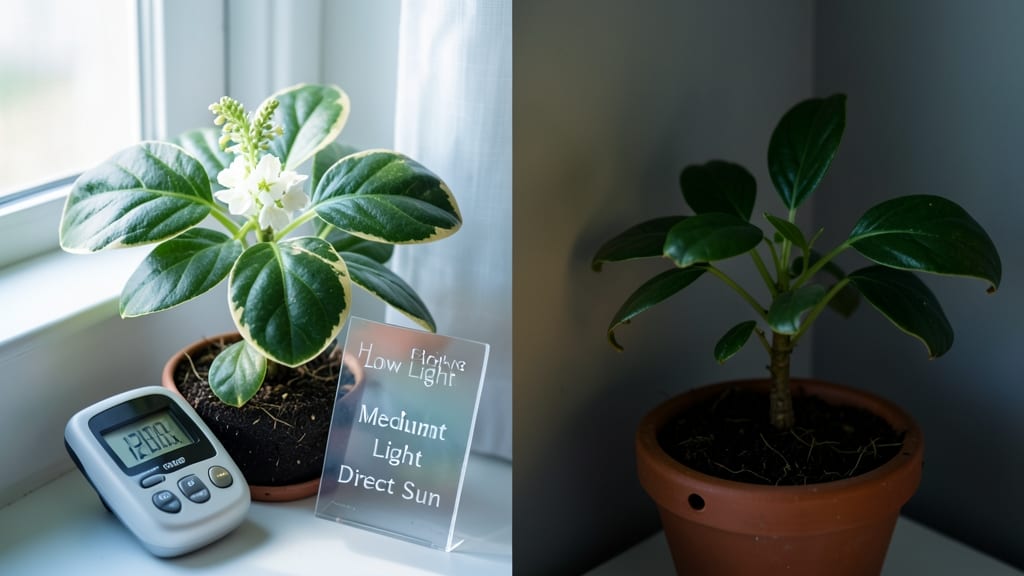
If you’re wondering how much light does a hoya plant need, the answer might be the key to transforming your sad, leggy vine into a thriving beauty—because too little or too much light can spell disaster for these delicate plants.
Too little light and it stretches desperately toward any dim glow, while too much can scorch those delicate leaves faster than you can say "sunburn." The secret to happy hoyas lies in finding that sweet spot where they get just enough brightness to flourish without frying.
Most hoyas thrive in bright indirect light, which means placing them near an east-facing window or a few feet back from a south-facing one. Think of it like a sunbathing session at the beach—you want that golden glow without the harsh midday rays.
This balance is especially crucial in USDA Zone 6a, where seasonal light shifts can throw off even the hardiest plants.
But here’s the thing: not all hoyas are created equal. Some varieties, like the Hoya carnosa, are more forgiving, while others, like Hoya obovata, demand just the right amount of light to reward you with those stunning blooms.
I’ll break down exactly what each type needs so you can give your plant the perfect light prescription—no guesswork required.
Ready to turn your hoya from a struggling survivor into a showstopper? Let’s dive into the exact sunlight rules that’ll have your plant thriving in no time, whether you’re working with natural light or need to supplement with grow bulbs. Your hoya’s future starts here.

Hoya light requirements: the ideal balance for healthy growth and blooming
Hoyas are some of the most rewarding houseplants, but their light needs can be tricky to master. Unlike sun-loving succulents, hoyas thrive in bright indirect light, which mimics their natural understory habitat.
Too little light leads to leggy, sparse growth, while too much causes leaf scorch and sunburn. The key is finding that sweet spot where your hoya gets enough light for photosynthesis without stressing its delicate foliage.
Most hoya varieties need 4-6 hours of bright, filtered light daily, but some types like Hoya carnosa (wax plant) are more adaptable, while others like Hoya obovata (giant hoya) demand higher light levels for blooming.
Understanding these nuances ensures your plant grows lush and produces those coveted fragrant flowers. Let's break down the exact light requirements for popular hoyas and how to adjust for seasonal changes.
🌿
For Hoya carnosa, the most common beginner variety, east-facing windows provide perfect morning light without harsh afternoon rays. Place your plant 2-3 feet from the window and rotate the pot every 2-3 weeks to prevent lopsided growth.
In winter, when daylight is shorter, supplement with a 12-hour grow light to maintain energy levels.
If you're growing Hoya obovata, which is prized for its large, waxy leaves and dramatic blooms, you'll need to go a step further. This variety thrives in very bright indirect light, similar to what you'd find under a sheer curtain on a south-facing window.
Without enough light, it may refuse to bloom entirely. Try placing it near a west-facing window in late afternoon for extra intensity.
Seasonal adjustments are crucial, especially for indoor hoyas. During spring and summer, when sunlight is abundant, hoyas can handle up to 6 hours of direct morning sun, but always avoid the hot afternoon sun that can scorch leaves.
In fall and winter, reduce light exposure slightly and consider using a reflective surface like a white wall or mirror to bounce extra light onto your plant.
One common mistake is assuming all hoyas have the same light needs. For example, Hoya linearis requires consistent bright light to maintain its striking striped foliage, while Hoya imperialis prefers dappled shade and can struggle in too much direct sunlight.
Always check the specific needs of your variety and adjust accordingly. If your hoya starts developing yellow leaves or brown tips, it's often a sign of light stress or insufficient light.
For outdoor hoyas, the rules change slightly. In USDA Zone 9 and above, hoy
Signs your hoya isn’t getting the right light (and how to fix it)
If your hoya plant is struggling, the culprit is often light exposure. Too little light leads to weak growth, while too much causes leaf damage. The key is finding that sweet spot of bright indirect light—about 4-6 hours daily—to keep your vine thriving.
Many gardeners overlook subtle signs until their hoya is already stressed.
Start by checking your plant’s leaves. Yellowing leaves or pale green foliage usually means your hoya isn’t getting enough light. On the flip side, brown spots or crispy edges signal sunburn from harsh direct rays. These visual clues help you diagnose the issue before it’s too late.
Bright indirect light is ideal—think east-facing windows or 2-3 feet from a south-facing window with sheer curtains. Hoyas tolerate 1-2 hours of morning sun but avoid harsh afternoon rays. Too little light causes etiolation (stretched, weak stems), while too much leads to leaf scorch.
Fix it: Rotate your plant weekly for even growth, and use grow lights (12-14 hours/day) if natural light is insufficient.
Leggy growth is another red flag. When your hoya stretches toward the light, it’s desperate for more. This etiolation weakens the plant and reduces blooming potential.
To fix it, move your hoya closer to a bright light source—like a south-facing window—but shield it from direct sun with a sheer curtain.
Brown patches or sunburned leaves mean your hoya is getting too much direct sunlight. These spots start as white or yellow marks before turning crispy. If you notice this, immediately move your plant to a shadier spot.
A north-facing window or a few feet back from a south-facing one can work. Hoyas are tough, but even they can’t handle midday sun.
For indoor gardeners, artificial lighting can be a game-changer. If your hoya is still struggling, try a LED grow light 6-12 inches above the plant for 12-14 hours daily.
This mimics natural light and prevents leggy growth. Just avoid keeping the light on 24/7, as hoyas need rest too.
Finally, observe your hoya’s blooming habits. Healthy hoyas produce fragrant flowers regularly, but poor light slows or stops blooming. If your plant isn’t flowering, it might need more light—especially in winter months when natural light is scarce.
Adjust gradually to avoid shocking the plant, and you’ll see a difference in just a few weeks.