
Plants
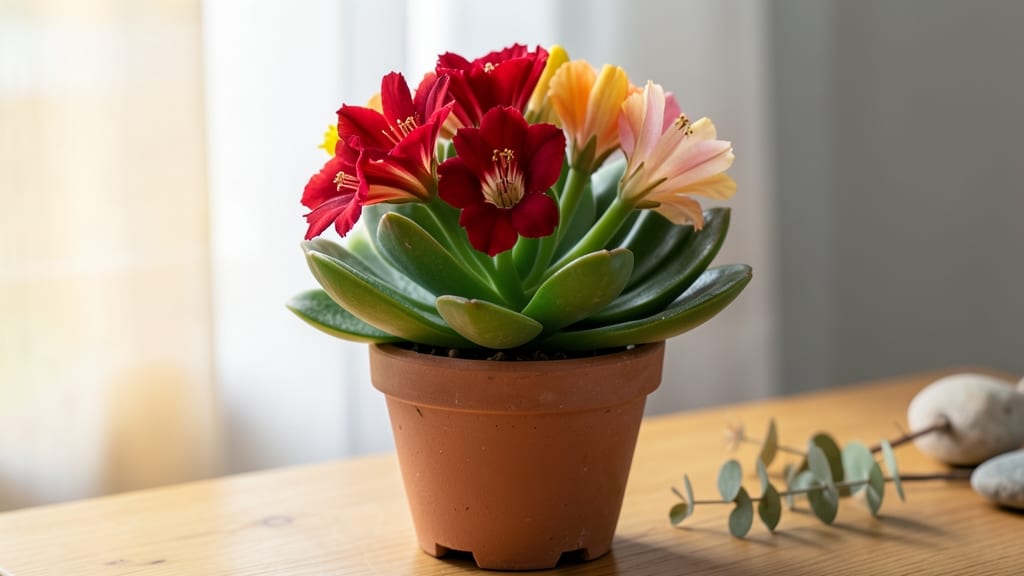
If your Kalanchoe 🌸 plant is stretching toward the window like a sleepy cat reaching for sunlight, you’re clearly not giving it how much light does a kalanchoe plant need—and this succulent is far more particular than you might think.
Unlike some low-maintenance plants, Kalanchoes actually need bright light to thrive, but too much direct sun can scorch their delicate leaves. The sweet spot? About 3-4 hours of direct sunlight daily, ideally from an east or south-facing window in Zone 6a.
Most beginners overlook this balance, leading to leggy growth or faded blooms. I'll show you exactly how to spot the signs of under- or over-lighting and adjust your plant's environment—whether it's indoors or outdoors—to keep those vibrant flowers coming year-round.
Ready to transform your Kalanchoe from a sad, stretched-out shadow into a blooming beauty? Let's dive into the light secrets that will make all the difference.

Optimal light requirements for Kalanchoe blooms: 3-4 hours of direct sun daily
Your Kalanchoe plant thrives with 3-4 hours of direct sun daily, but the exact needs shift between its vegetative (leafy) and flowering stages. Too little light causes leggy growth and sparse blooms, while too much can scorch those stunning succulent leaves.
Understanding these nuances ensures your plant stays vibrant and blooms reliably.
During the vegetative stage, your Kalanchoe tolerates bright indirect light (like an east-facing window) but still needs 4-6 hours of filtered sunlight.
When it’s time to flower, though, it demands more direct light—up to 4 hours of morning sun—to trigger those iconic pink or red blooms. Without this, your plant may just grow leaves without flowering.
Key light requirements for each stage:
| Growth Stage | Light Type | Daily Hours | Best Window Placement |
|---|---|---|---|
| Vegetative (Leaf Growth) | Bright Indirect | 4-6 hours | East or South (2-3 ft away) |
| Flowering (Bloom Time) | Direct Morning Sun | 3-4 hours | South or West (rotate weekly) |
| Dormancy (Winter) | Bright Indirect | 2-3 hours | North or East (avoid cold drafts) |
For indoor Kalanchoes, a south-facing window is ideal, but if that’s not an option, a grow light (like a full-spectrum LED) for 12-14 hours daily mimics natural light.
Place it 6-12 inches above the plant to avoid stretching. Rotate the pot weekly so all sides get even light—this prevents lopsided growth and ensures balanced blooming.
Outdoor Kalanchoes love morning sun but need afternoon shade in hot climates to prevent leaf burn. If you’re growing yours outside in summer, move it to a partial shade spot by 1 PM to protect those delicate succulent leaves.
In cooler months, they can handle full sun without stress.
Watch for signs of over-lighting: crispy, brown edges on leaves or a bleached look mean it’s getting too much sun. Under-lighting shows up as long, leggy stems and pale, sparse leaves.
Adjust by moving the plant closer or farther from the light source or using a sheer curtain to diffuse harsh rays.
If your Kalanchoe isn’t flowering, it might need a light adjustment combined with a 12-hour dark period at night—this mimics its natural short-day plant triggers. Try moving it to a darker room at night for 2-3 weeks to encourage blooms.
Pair this with bright morning light, and you’ll see those vibrant flowers return in no time.
For urban gardeners with limited natural light, a combo of grow lights and strategic window placement works best. Place the plant near the brightest window (even if it’s north-facing) and supplement with a 10,000-lux LED grow light for 6-8 hours daily.
This setup keeps your Kalanchoe happy year-round, even in low-light apartments.
Remember: consistency is key. Kalanchoes hate sudden light changes, so adjust gradually over 1-2 weeks when moving them to a new spot. With the right light balance, your plant will reward you with lush growth and stunning blooms for years.
🌸
How to tell if your Kalanchoe has too much or too little light (with fixes)
Your Kalanchoe 🌸 might look healthy at first glance, but subtle clues reveal whether it's basking in perfect light or struggling. Too little light causes stems to stretch unnaturally (a condition called etiolation), while too much direct sun burns leaves into crispy brown edges.
Both extremes rob your plant of those stunning blooms you love.
I’ve seen beginners assume their Kalanchoe is fine in a dim corner—until it turns into a leggy, flowerless shadow. The key is observing leaf color and growth patterns. A well-lit Kalanchoe has deep green leaves and compact growth, while stressed plants show dramatic changes in just weeks.
Let’s decode these signs so you can fix the light balance fast.
⚠️ callout-warning
Your Kalanchoe needs 3-4 hours of direct sunlight daily—no more, no less. Too little = leggy stems and fewer blooms. Too much = sunburned leaves. Morning sun (6 AM–10 AM) is safest for outdoor plants, while east-facing windows are ideal indoors. If your plant is stretching toward light, move it closer to a brighter spot immediately.
🌱 Pro Tip: Rotate your plant weekly so all sides get even light exposure.
Start by checking your Kalanchoe’s leaf color. Healthy leaves are vibrant green, but pale yellow or red hues signal light deprivation. I once had a Kalanchoe turn nearly white—until I moved it to a south-facing window and watched it rebound in days.
Conversely, brown or white patches on leaves mean sunburn, often from afternoon sun (after 2 PM).
Pay attention to stem length too. If your plant’s stems are longer than 6 inches and thin, it’s starving for light. I’ve revived many Kalanchoes by pruning leggy stems and placing them under a grow light for 6 hours daily.
This forces compact, bushier growth and encourages blooming. For outdoor plants, partial shade in summer afternoons helps prevent scorching.
Blooming issues are the biggest giveaway. A Kalanchoe deprived of light may skip flowering entirely or produce tiny, sparse blooms. My Kalanchoe blossfeldiana once refused to bloom until I added a 15-watt LED grow bulb 12 inches above it.
For indoor plants, supplemental grow lights are a game-changer—just keep them on for 12-14 hours daily to mimic natural daylight.
Seasonal adjustments are crucial. In winter, when daylight shrinks, move indoor Kalanchoes to the brightest window or extend light with a timer-controlled bulb. Outdoor plants in Zone 6a may need morning sun only in summer to avoid heat stress.
I’ve even seen Kalanchoes thrive on a sunny patio with dappled shade—just avoid harsh midday rays.
Fixing light issues is simpler than you think. For underlit plants, rotate the pot weekly and consider a south-facing window or grow light. For overlit plants, provide afternoon shade or move them indoors.
With the right light balance, your Kalanchoe will reward you with bold blooms and compact growth all season long. 🌻