
Plants
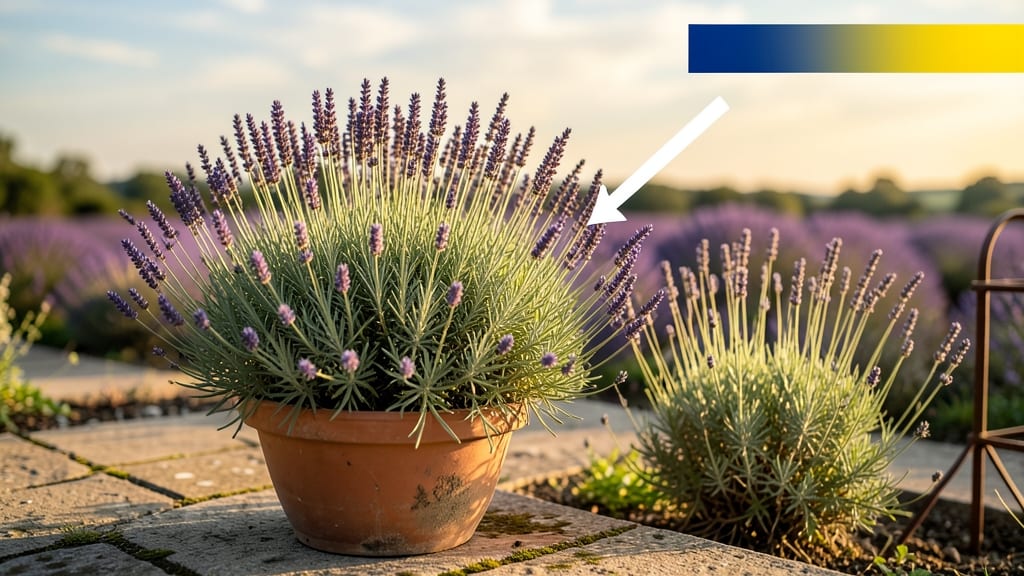
To grow lavender with bold, fragrant blooms, you need to nail how much light does a lavender plant need—this drought-loving 🌿 plant practically wilts without enough of it, but too much can scorch its leaves, so finding that sweet spot is key.
Most lavender varieties thrive in full sun, craving 6 to 8 hours of direct sunlight daily. In USDA Zone 6a, that means planting in early spring where it can soak up those golden rays without competition from trees or buildings.
But here’s the catch: lavender in containers or shadier spots needs extra care. We’ll break down exactly how to adjust for partial shade, spot signs of light stress, and keep your lavender blooming like a pro—no guesswork required.
Ready to transform leggy stems into lush, fragrant bushes? Let’s dive into the light secrets that’ll make your lavender the envy of the neighborhood.

Ideal sunlight hours for lavender plants: full sun vs. partial shade
Lavender thrives under full sun exposure, but understanding its exact needs can mean the difference between lush blooms and leggy, weak stems. As a sun-loving perennial, lavender relies on 6-8+ hours of direct sunlight daily to produce its signature fragrance and vibrant flowers.
Without enough light, photosynthesis slows, leading to pale foliage and fewer blooms—a gardener’s worst nightmare.
In regions with intense summer heat, like the Southwest U.S., lavender may appreciate afternoon shade to prevent leaf scorch. Conversely, in cooler climates like the Pacific Northwest, partial shade might suffice, though it’ll compromise flower production.
The key is balancing light intensity with your local climate to keep lavender healthy year-round.
Here’s a quick breakdown of lavender’s sunlight needs, including how partial shade affects growth and when to adjust care:
For photosynthesis efficiency, lavender’s leaves are adapted to high-light conditions, converting sunlight into energy for robust growth. When deprived of light, the plant shifts resources to stem elongation (a survival tactic), resulting in tall, spindly stems with sparse foliage.
This is why French lavender (Lavandula stoechas), a sun-seeker, often struggles in shady spots—it demands even more light than its English cousins.
In high-heat zones, like Arizona or Southern California, lavender benefits from dappled shade in the afternoon (e.g., under a lattice or near a north-facing wall). This prevents leaf burn while still providing the 6+ hours of morning sun it craves.
Conversely, in cloudy climates, like the UK or Pacific Northwest, lavender can tolerate partial shade, but you’ll need to supplement with grow lights indoors or ensure outdoor plants get reflective surfaces (like white walls) to maximize light.
If you’re growing lavender in containers, prioritize south- or west-facing spots to ensure unobstructed sunlight. Containers dry out faster, so combine full sun with well-draining soil to prevent root rot—a common issue when light needs aren’t met.
Pro tip: Use a light-colored container to reflect extra heat and light onto the plant’s roots.
Regional adjustments are critical. For example, in Zone 7, lavender can handle full sun year-round, while in Zone 4, it may need afternoon shade in summer to avoid stress.
Always monitor your plant’s leaf color and growth habit: dark green leaves with upright stems mean it’s happy; pale, stretched-out growth signals it’s light-deprived.
To maximize blooms, aim for 8+ hours of sun during the growing season (spring to early fall). This triggers the floral stimulus in lavender, ensuring abundant purple spikes.
In winter, lavender enters dormancy and can tolerate less light, but avoid moving it to deep shade—it still needs some sunlight to survive.
For gardeners in urban areas, where space is limited, opt for dwarf varieties like ‘Hidcote’ or ‘Munstead’—they thrive in small containers with full sun and can even grow on balconies or rooftops. Pair them with reflective mulch (like white gravel) to boost light penetration.
Remember: lavender’s fragrance and bloom quality are directly tied to sunlight. Skimp on light, and you’ll end up with a plant that’s more foliage than flower. Give it the sun it craves, and you’ll reward yourself with a scented, low-maintenance superstar for years to come. ☀️🌿
Signs your lavender isn’t getting enough light (and how to fix it)
If your lavender looks more like a tall, floppy weed than a compact, fragrant shrub, it’s likely starving for light. The most obvious sign is leggy stems that stretch upward in search of sunlight, creating a spindly, unnatural shape.
This happens when lavender shifts energy from blooms to stem elongation—a survival tactic when light is scarce. Check for pale, yellowish-green leaves too; healthy lavender should have silvery-blue foliage with deep green undersides.
Another dead giveaway? Fewer (or no) flowers. Lavender blooms in response to sunlight, so light-deprived plants often produce smaller, sparse flower spikes or skip blooming entirely.
Even if buds form, they may fail to open, leaving you with a plant that looks like it’s holding back its potential. French lavender (Lavandula stoechas) is especially sensitive—it needs more light than English lavender to produce its distinctive rabbit-ear-shaped blooms.
🚨 WARNING: Lavender Light Crisis 🚨
Lavender requires 6–8+ hours of direct sunlight daily for optimal growth. Without this, it enters a survival mode, producing long, weak stems and fewer blooms. French lavender needs even more light (8+ hours) than English lavender. In partial shade (3–6 hours), growth slows, and fragrance weakens. Deep shade (<3 hours) will kill it.
Quick Fix: Move to full sun, prune leggy stems, or use grow lights indoors.
To confirm your lavender’s light situation, perform a simple growth habit check. Healthy lavender grows upright and bushy, with stems rarely exceeding 12–18 inches tall. If yours is taller than 2 feet with bare stems at the base, it’s desperate for more light.
Also, inspect the leaf undersides: light-starved lavender often develops reddish or purple-tinged leaves, a sign of etiolation (stretched growth from light deficiency).
If you’ve ruled out light deprivation but still see weak growth, check for overwatering or poor soil drainage—both mimic light stress symptoms. Lavender in containers is especially vulnerable because pots can block light from reaching the base of the plant.
Try moving it to a south-facing windowsill or outdoor spot with unobstructed sun. For indoor growers, a LED grow light (12–16 hours/day) can supplement natural light, though it won’t replace full sun.
For English lavender (Lavandula angustifolia), partial shade (3–6 hours of sun) is slightly more forgiving, but expect smaller blooms and weaker fragrance. French lavender, however, refuses to thrive in anything less than full sun.
If you’re growing it in a shady garden bed, consider replacing it with a hardy English variety like ‘Munstead’ or ‘Hidcote,’ which tolerate partial shade better.
Ready to rescue your lavender? Start by pruning leggy stems back to healthy, compact growth (cut just above a leaf node). Then, transplant it to a sunnier spot—even 1–2 extra hours of sunlight daily can transform its growth.
For container lavender, choose a light-colored pot to reflect more light onto the soil. If relocating isn’t an option, supplement with a grow light for 4–6 hours/day during winter months when days are shorter.
With the right light fix, your lavender will rebound in 4–6 weeks, producing dense foliage and fragrant blooms again. And remember: prevention is key. Always plant lavender in the sunniest spot available, even if it means sacrificing a shady corner for another plant.
Your nose (and your lavender) will thank you! ✂️🌿