
Plants
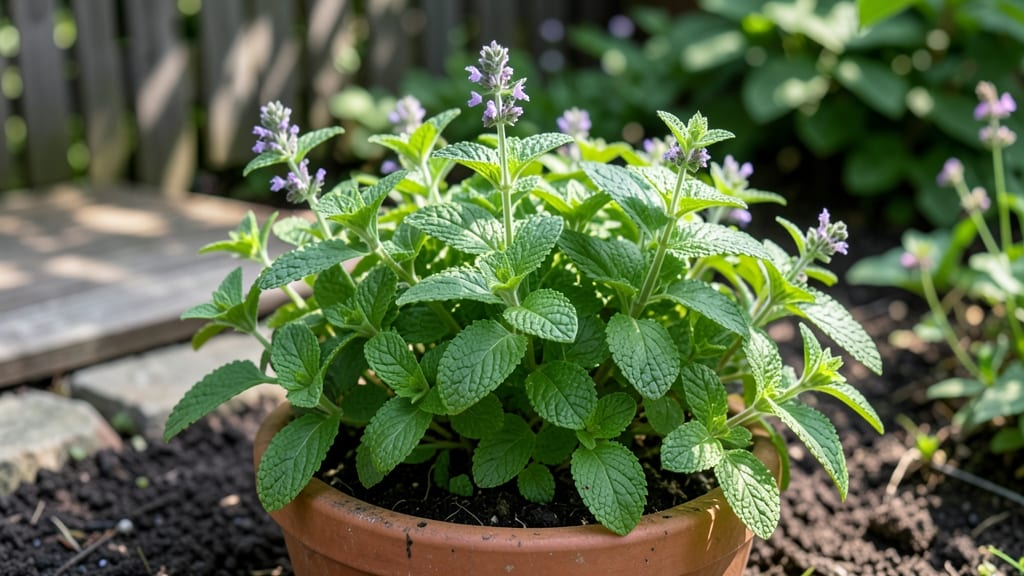
Want to know how much light does a mint plant need to grow lush, flavorful, and thriving all season long? Getting the light just right is the game-changer—too little and it grows weak, too much and it burns.
The perfect balance keeps your mint plants vibrant, fast-growing, and packed with that signature aroma we all love.
Most gardeners assume mint needs full sun, but that’s actually one of the biggest mistakes. Your mint will thank you for bright, indirect light—think morning sun with afternoon shade.
Whether you’re growing it in pots on your windowsill or in your garden, understanding these light needs will transform your harvest from scraggly to thriving.
If you’ve ever watched your mint stretch toward the light or develop crispy edges, you’re not alone. These are classic signs of light stress, and the good news is they’re easy to fix.
I’ll show you exactly how to spot these issues and adjust your plant’s environment for optimal growth, so you can enjoy fresh mint all summer.
From indoor windowsill setups to outdoor garden beds, we’ll cover all the lighting scenarios. You’ll learn how to maximize natural light, when to supplement with grow lights, and how seasonal changes affect your mint’s needs. Let’s get your mint growing strong and healthy—no guesswork required!

Ideal light requirements for mint plants: bright indirect sun explained
Mint plants thrive in bright indirect sunlight, making them perfect for gardeners with limited direct sun exposure. As a member of the Lamiaceae family, mint relies on photosynthesis to convert light into energy efficiently—without the harshness of full sun.
Too little light weakens growth, while too much causes leaf scorch and stunted development.
For optimal results, aim for 4-6 hours of sunlight daily, ideally in the morning hours when rays are gentler. This balance ensures your mint stays lush, aromatic, and ready for harvesting. Understanding these needs will transform your mint from a struggling plant to a thriving herb garden staple.
summary table element begins here:
| Requirement | Specification | Notes |
|---|---|---|
| Daily Sunlight | 4-6 hours | Morning sun preferred |
| Light Type | Bright indirect | Avoid harsh afternoon sun |
| Indoor Placement | East-facing window | 6 AM - 12 PM sunlight |
| Outdoor Location | Partial shade | Dappled sunlight works best |
| Photosynthesis Peak | Morning hours | Maximizes energy without stress |
Mint plants perform photosynthesis most efficiently in bright, diffused light, which is why east-facing windows are ideal for indoor cultivation. The Lamiaceae family evolved to thrive in partially shaded environments, mimicking the dappled light found under forest canopies.
This adaptation explains why mint often struggles in full sun gardens—its leaves can burn or develop a brittle texture when exposed to intense afternoon rays.
For gardeners in hot climates, providing afternoon shade with a sheer curtain or nearby plants can prevent leaf scorch. In cooler regions, mint can tolerate slightly more direct sun, but morning exposure remains critical for kickstarting its growth cycle.
The key is replicating nature’s balance—just like how mint grows wild in moist, shaded areas along stream banks.
If you're growing mint in containers, rotate the pot every few days to ensure even light exposure. This prevents one-sided growth and keeps leaves uniformly green. For outdoor gardens, plant mint near taller plants that provide natural shade during peak sun hours.
This strategic placement mimics its native habitat and promotes healthier, more aromatic foliage.
Scientifically, mint’s photosynthesis rate peaks under moderate light intensity (around 40% of full sun). Exceeding this threshold triggers oxidative stress in the leaves, leading to yellowing or browning. By monitoring your mint’s light exposure, you can maintain its vibrant green color and robust flavor—essential for teas, cocktails, and culinary uses.
One common misconception is that mint needs full sun like tomatoes or peppers. In reality, its delicate leaves are more sensitive to heat and UV radiation. Over time, excessive sun exposure weakens the plant’s essential oil production, dulling its signature minty aroma.
This is why partial shade is often the secret to the most flavorful harvests.
To test your mint’s light conditions, observe its leaf color and growth pattern. Healthy mint leaves should be dark green and slightly wrinkled, with a strong scent when crushed.
If leaves appear pale or elongated, it’s a sign of insufficient light, while brown edges or crispiness indicate too much sun. Adjusting your plant’s location based on these visual cues ensures consistent, high-quality growth.
For indoor growers, supplementing with a grow light (like a full-spectrum LED) can help maintain optimal light levels, especially in low-light apartments. Place the light 6-12 inches above the plant and provide 12-14 hours of light daily to mimic natural daylight cycles.
This artificial boost can make all the difference in keeping your mint thriving year-round.
Remember, mint’s light needs are flexible but not forgiving. While it can adapt to slightly lower light conditions, its growth rate and flavor intensity will suffer.
By providing bright indirect light—whether through strategic window placement or outdoor shading—you’ll cultivate mint that’s lush, aromatic, and ready for harvest in no time.
Signs your mint isn’t getting enough (or too much) light
If your mint plants are stretching toward the light with long, leggy stems, it’s a clear sign of light deprivation. This happens when mint doesn’t get enough bright indirect sunlight and starts reaching for any available light source.
The stems grow weak and spindly, while leaves become sparse and pale—like they’re barely surviving. This isn’t just an aesthetic issue; leggy mint grows slower, produces fewer leaves, and often develops a weak aroma.
The good news is this is easily fixed by moving your plant to a brighter spot or supplementing with a grow light.
Another common sign of insufficient light is pale or yellowing leaves. When mint doesn’t get enough sunlight, it can’t perform photosynthesis efficiently, leading to chlorosis (loss of chlorophyll). You’ll notice the leaves turning a dull, pale green or even yellow, especially on the lower stems.
This weakens the plant’s overall health and reduces its ability to produce essential oils, which means your mint will taste milder. If you see this happening, try relocating your plant to a sunnier window or adding a reflective surface nearby to bounce more light onto the leaves.
🌱 callout warning element begins here:
Mint needs 4-6 hours of bright indirect light daily. Too little causes leggy growth and pale leaves, while too much leads to brown edges and crispiness. Morning sun is ideal—avoid harsh afternoon rays.
Quick Fixes: Rotate pots for even light, use sheer curtains for outdoor shade, or add a grow light 6-12 inches above.
On the opposite end of the spectrum, too much direct sunlight causes brown or crispy leaf edges, a condition known as leaf scorch. When mint gets blasted with intense afternoon sun, its delicate leaves can’t handle the heat and start to dry out.
You’ll notice the edges turning brown and brittle, almost like they’ve been singed. In severe cases, entire leaves may curl up and die. This is especially common in hot climates or when mint is planted in full sun without protection.
If you see these symptoms, move your plant to a shadier location or provide afternoon shade with a sheer curtain or nearby plants.
Yellowing leaves can also indicate over-exposure to sunlight, though it’s often confused with under-watering. Unlike the pale yellow of light deprivation, sunburned mint leaves turn a dull yellow or brown with crispy edges.
The damage is usually concentrated on the outer edges of the leaves, where the sun’s intensity is strongest. If you suspect sunburn, trim the damaged leaves and move your plant to a spot with filtered light.
For outdoor plants, consider adding a lightweight shade cloth (30-50% shade) to protect them during peak sun hours.
One subtle but telling sign of light stress is slow or stunted growth. Healthy mint should grow quickly and bush out with plenty of new leaves. When it’s not getting the right light, growth slows down dramatically.
You might notice fewer new leaves appearing, and the existing ones stay small and sparse. This is your mint’s way of conserving energy because it’s struggling to photosynthesize efficiently. To encourage faster growth, ensure your plant gets consistent bright indirect light and consider fertilizing lightly to support new growth.
For indoor growers, window placement makes all the difference. If your mint is growing near a south-facing window, it’s likely getting too much direct sun, especially in the afternoon. Instead, opt for an east-facing window where the morning light is gentler.
If you only have a north-facing window, supplement with a grow light to provide the extra brightness mint needs.
Outdoor plants should be placed where they get morning sun and afternoon shade, such as under the dappled light of a tree canopy or near taller plants that provide natural shade.
🌿 The key to healthy mint is balance—neither too little nor too much light. By watching for these signs and adjusting your plant’s environment accordingly, you’ll keep your mint lush, aromatic, and ready for harvest all season long.