
Plants
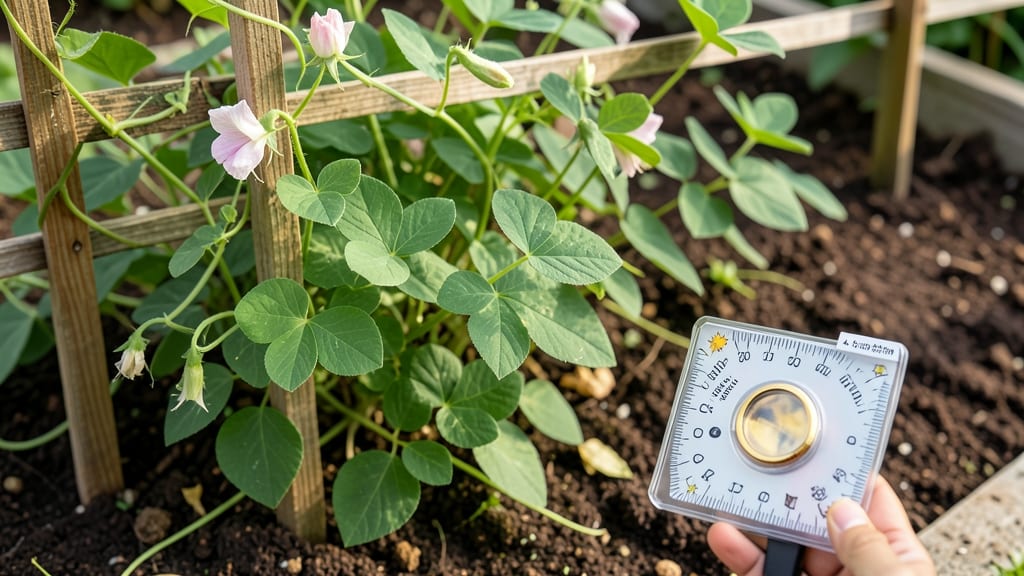
If you're wondering how much light does a peace plant need to thrive, the answer might be simpler than you think—it’s all about finding the right balance. Too much direct sun can turn its leaves crispy, while too little dims its potential, leaving you with a sad, droopy plant.
The key to keeping your Peace Lily lush and blooming lies in understanding its ideal light conditions, which are easier to master than you’d expect.
Peace Lilies are famous for their ability to survive in low-light spaces, but that doesn’t mean they’ll flourish there. These plants actually prefer bright, indirect light, which mimics their natural understory habitat.
Think of it like giving them a cozy spot near a window where they get gentle morning sun but stay protected from harsh afternoon rays.
Don’t worry—you don’t need a greenhouse to nail this. With just a few adjustments, you can place your Peace Lily in the perfect spot, whether it’s an east-facing window or a well-lit corner of your living room.
I’ll show you exactly how to spot the signs of over- or under-lighting and how to fix them fast, so your plant stays happy and healthy all year round.
Ready to unlock the secret to vibrant growth? Let’s dive into the simple tricks that’ll have your Peace Lily thriving in no time—no guesswork required.

Peace Lily light requirements: ideal conditions for healthy growth
If you’ve ever wondered how much light does a peace plant need, you’re not alone. These stunning houseplants thrive in conditions many of us overlook—bright, indirect light is their sweet spot. Unlike sun-loving succulents, Peace Lilies (Spathiphyllum) are tropical plants that mimic dappled forest light.
Too much direct sun burns their leaves, while too little dims their iconic white blooms. Let’s break down the science and practical tips to keep yours lush and happy.
The key to understanding Peace Lily light requirements lies in their natural habitat. In the wild, they grow under the canopy of tropical forests, where sunlight filters through leaves above. This means they receive moderate light intensity—never harsh or direct.
When you bring one home, replicating this environment is crucial. East or north-facing windows are ideal because they provide gentle morning light without the intense afternoon sun.
Here’s the science: Peace Lilies perform photosynthesis efficiently in low to medium light because their leaves are broad and adapted to capture diffused sunlight. However, their flowering response is directly tied to light exposure.
Insufficient light leads to fewer blooms, while excessive light causes leaf scorch. The balance is what creates that glossy, deep green foliage and those prized white spathes.
| Light Condition | Description | Ideal Placement | Plant Response |
|---|---|---|---|
| Low Light | North-facing windows or rooms with minimal natural light | 3–6 feet from window | Survives but grows slowly; fewer blooms; leggy stems |
| Medium Light | East or west-facing windows; bright indirect light | 2–4 feet from window | Healthy growth; glossy leaves; frequent blooming |
| Bright Indirect | Filtered sunlight (e.g., sheer curtains, dappled shade) | 1–3 feet from east/west window | Optimal growth; vibrant foliage; abundant flowers |
| Direct Sun | South-facing windows or unfiltered sunlight | Avoid direct exposure | Leaf burn; crispy edges; stunted growth |
Seasonal adjustments are often overlooked but critical. During spring and summer, when sunlight is strongest, Peace Lilies may need to be moved further from windows or behind sheer curtains. In fall and winter, when natural light dims, they can tolerate slightly lower light levels.
However, avoid placing them in completely dark corners—this leads to weak, spindly growth and a lack of blooms.
To test your Peace Lily’s light conditions, observe its leaves over a week. If you notice yellowing on older leaves, it’s often a sign of too much light or overwatering. Brown tips or crispy edges, however, scream direct sunlight exposure.
On the flip side, if leaves turn dull green or purple, your plant is begging for more light. These visual cues are your Peace Lily’s way of communicating its needs—pay attention!
For those with limited natural light, grow lights can be a game-changer. A simple LED grow bulb (6,000–8,000 Kelvin) placed 6–12 inches above the plant for 10–12 hours daily mimics ideal conditions.
Rotate the plant quarter-turns weekly to ensure even growth, as Peace Lilies grow toward their light source. This prevents lopsided foliage and encourages balanced development.
Pro tip: If your Peace Lily isn’t flowering, it’s likely due to insufficient light. These plants need 4–6 hours of bright, indirect light daily to trigger blooming. Move it closer to a window or supplement with a grow light.
Remember, the goal isn’t just survival—it’s vibrant, blooming health. With the right light, your Peace Lily will reward you with those stunning white spathes year-round.
Think of your Peace Lily’s light needs like a balancing act. Too much sun is like a sunburn; too little leaves it languishing. The sweet spot? Bright, filtered light that mimics its tropical roots. With these guidelines, you’ll keep your Peace Lily thriving for years—no guesswork required. 🌿
How to adjust light for Peace Lilies in different rooms
Your Peace Lily can thrive in nearly any room, but the key to vibrant growth lies in understanding how to adjust light based on your space.
Unlike many plants that demand bright windowsills, Peace Lilies adapt well to low-light conditions, but they still need some light to produce those iconic white blooms. The challenge? Finding that sweet spot where they get enough light without getting sunburned.
Let’s debunk a common myth first: Peace Lilies don’t need to sit in dark corners. While they can survive in low light, they won’t flourish there. Instead, think of them as the Goldilocks of houseplants—they want light that’s just right, not too harsh and not too dim.
With a few simple adjustments, you can optimize light in your living room, bathroom, or even a dimly lit office.
Peace Lily Light Adjustment Guide
- East-facing windows: Perfect balance of morning sun
- North-facing windows: Gentle, indirect light all day
- West-facing windows: Use sheer curtains to diffuse harsh afternoon rays
- South-facing windows: Keep 3-5 feet away to avoid direct sun
- LED grow lights: 12-14 hours/day, 6-12 inches above plant
- Fluorescent bulbs: 6500K color temp for bright indirect light
- Rotate plant weekly for even growth under artificial light
- Avoid incandescent bulbs—they emit too much heat
- Free and sustainable
- Encourages natural growth patterns
- No electricity costs
- Limited placement options
- Seasonal light variations
- Risk of over-exposure near windows
- Consistent light year-round
- Flexible placement options
- Adjustable intensity
- Additional energy costs
- Requires maintenance (bulb replacement)
- Less natural spectrum than sunlight
For living rooms with plenty of natural light, place your Peace Lily 3-5 feet from an east or north-facing window. This gives them gentle morning light without the harsh afternoon sun that can bleach their leaves.
If your living room gets direct afternoon sun, move the plant further back or add a sheer curtain to diffuse the light.
Bathrooms often have low-light conditions, but that’s actually ideal for Peace Lilies! The humidity from showers will keep their leaves lush, and the indirect light from nearby windows is perfect. Just avoid placing them directly in front of a mirror that reflects harsh lighting.
In offices, especially those with fluorescent lighting, supplement with a grow light for 12 hours a day to mimic natural cycles.
Here’s a pro tip: Rotate your Peace Lily every 2-4 weeks to ensure even growth. Plants naturally lean toward light sources, so turning them gently keeps their foliage symmetrical and prevents lopsided growth.
This is especially important if you’re using artificial lighting, as the light source won’t be as diffuse as natural light.
Remember, Peace Lilies are forgiving, but they’ll thank you with healthier leaves and more frequent blooms when you give them the right light. Start with these adjustments, and you’ll have a thriving plant that’s the envy of every room it graces. Happy growing! 🌿