
Plants
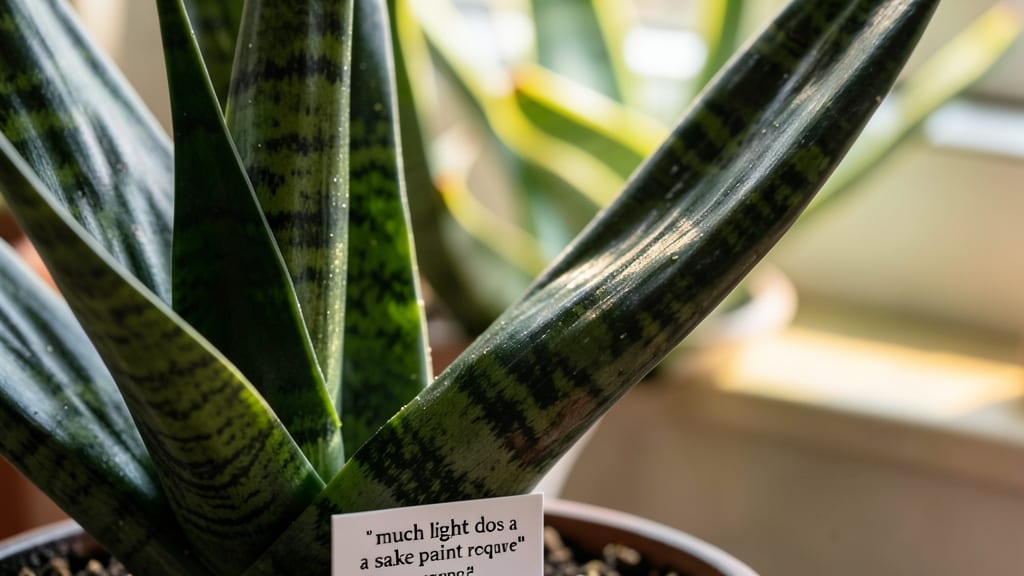
To keep your snake plant 🌱 thriving, you might be surprised to learn how much light does a snake plant require—it doesn’t need much at all—yet too little can turn your hardy plant into a slow-growing survivor.
This resilient beauty handles low-light conditions like a pro, but finding that sweet spot between dim corners and harsh sun is the key to keeping its leaves lush and upright.
Most people assume snake plants need bright light, but the truth is they’ll survive—and even grow—in spaces with just 2-4 hours of indirect sunlight daily. That means a north-facing window or even a well-lit office corner can work perfectly.
The real trick is avoiding direct midday sun, which can scorch those striking variegated leaves over time.
If your snake plant starts looking leggy or its leaves turn yellow, it’s likely begging for more light—but not necessarily bright, harsh rays.
I’ll show you how to spot the signs and adjust placement (or even supplement with grow lights) to keep your plant happy year-round, whether you’re in a cozy apartment or a sun-drenched home.
Don’t worry if you’ve had mixed results before—this guide breaks down exactly what your snake plant needs to thrive, from the low-light tolerance that makes it a beginner’s dream to the subtle cues that tell you it’s time to move it to a brighter spot.
Let’s get those leaves perking up!

Snake plant light requirements: ideal conditions for Healthy growth
If you’ve ever wondered, "how much light does a snake plant require," you’re not alone. This resilient plant is famous for thriving where others fail, but even snake plants have their limits.
Unlike sun-loving succulents, they prefer bright indirect light but can survive in low-light conditions. The key is finding that sweet spot—too little light stunts growth, while too much can scorch those iconic leaves.
Snake plants (Sansevieria) are native to West Africa’s dry climates, where they adapted to dappled sunlight under trees. This explains why they do well in indoor environments with filtered light.
However, their tolerance varies by variety—some like ‘Futura Superba’ handle brighter spots better than ‘Hahnii’, which leans toward shade tolerance.
| Light Condition | Ideal Placement | Growth Impact | Signs of Stress |
|---|---|---|---|
| Low Light (<50 ft-c) | North-facing windows, offices, or rooms without windows | Slower growth, leggy stems | Pale leaves, sparse foliage |
| Bright Indirect (100-500 ft-c) | East/west windows, 2-3 ft from south window | Healthy, upright leaves, moderate growth | None (ideal condition) |
| Direct Sun (>1,000 ft-c) | South-facing windows without curtains, outdoors in full sun | Stunted growth, leaf burn | Brown tips, crispy edges, yellow patches |
The ideal light range for snake plants falls between 100–500 foot-candles of brightness. To visualize this, imagine placing your plant 2–3 feet away from an east- or west-facing window—this mimics their natural habitat.
If you’re unsure about your space’s light levels, a simple light meter app (like Light Meter Pro) can help you measure. Most smartphones have built-in sensors for this!
For indoor growers, north-facing windows are often the safest bet because they provide consistent indirect light without the harsh afternoon sun. If your home lacks natural light, don’t worry—snake plants can adapt to artificial lighting too.
A full-spectrum LED grow light (like the Samsung LM300) placed 6–12 inches above the plant for 12–14 hours daily can mimic ideal conditions.
Outdoors, snake plants thrive in partial shade—think dappled sunlight under a tree canopy. In USDA Zones 9–11, they can handle direct morning sun but should be shielded from intense afternoon rays.
If you notice yellow or brown leaf tips, it’s a red flag that your plant is getting too much direct sunlight. Move it to a shadier spot or use a light sheer curtain to diffuse the light.
One common misconception is that snake plants can grow in complete darkness. While they’re more tolerant than most houseplants, prolonged low light leads to leggy, weak growth and fewer leaves. If your plant starts stretching toward the light source (a condition called etiolation), it’s begging for more brightness.
Rotate the pot quarter-turns every few weeks to ensure even growth and expose all sides to light.
Seasonal changes also affect light exposure. During winter months, shorter daylight hours can trick snake plants into thinking it’s time to rest. If you notice slower growth or dormancy, supplement with a grow light or move the plant closer to a sunny window.
Conversely, in summer, watch for heat stress—if leaves feel crispy or develop brown edges, increase airflow with a small fan or move the plant to a cooler spot.
Pro tip: Pay attention to your snake plant’s leaf color. Healthy leaves should be deep green with slight variegation. If they turn yellow or pale, it’s a sign of insufficient light.
On the flip side, dark brown or blackened patches mean too much direct sun. Adjusting the light conditions based on these visual cues will keep your snake plant thriving for years.
Remember, snake plants are forgiving but not indestructible. The secret to their success lies in observation and small adjustments. Whether you’re a busy office worker or a plant enthusiast with limited sunlight, there’s always a way to create the perfect light environment for your snake plant to shine—literally! 🌱
How to adjust light for snake plants in different environments
Adjusting light for your snake plant 🌱 depends entirely on your environment—whether you're in a dim office, a sunroom, or an outdoor garden. The good news? This plant adapts surprisingly well.
In low-light apartments, snake plants can thrive with just 2-4 hours of indirect light daily, making them perfect for spaces with north-facing windows or artificial lighting. The trick is avoiding complete darkness, which leads to weak, leggy growth.
For office spaces with fluorescent lighting, place your snake plant within 3 feet of the window or under a grow light for 12 hours a day.
Fluorescent bulbs (like cool white LEDs) mimic natural light well, but avoid placing the plant directly under harsh overhead lights, which can cause leaf burn. Rotate the pot quarter-turns every month to ensure even growth—this prevents the plant from leaning toward the light source.
- Low-Light Apartments: Use sheer curtains to diffuse harsh light and place near north-facing windows. Supplement with a grow light if natural light is scarce.
- Sunrooms: Shield from direct afternoon sun with light-colored curtains or a sheer fabric. Ideal spots include east or west-facing shelves.
- Offices: Position 2-3 feet from windows or under LED grow lights for 12 hours daily. Avoid hot spots near computers.
- Outdoor Gardens: Plant in partial shade (dappled sunlight) or under tree canopies. Protect from intense midday sun in hot climates.
- Grow Lights: Use full-spectrum LEDs (like Samsung LM300) 6-12 inches above the plant for 12-14 hours daily if natural light is insufficient.
In sunrooms or conservatories, snake plants need protection from intense sunlight, especially in south-facing windows. Use sheer curtains or UV-blocking film to filter harsh rays while still allowing plenty of light.
If you notice brown leaf tips, it’s a sign of sunburn—move the plant back 1-2 feet or add a light diffuser.
Outdoors, snake plants are incredibly versatile. In USDA Zones 9-11, they thrive in partial shade gardens, where they receive morning sun and afternoon shade. In cooler zones, they can handle full sun as long as the soil stays well-draining.
If your outdoor snake plant develops yellow patches, it’s likely getting too much direct sun—relocate it to a shadier spot or provide afternoon shade with a cloth cover.
Seasonal adjustments are key. During winter months, when daylight is shorter, supplement with a grow light or move potted plants closer to sunny windows.
In summer, watch for heat stress—if leaves feel crispy, increase airflow with a small fan or move the plant to a cooler, shaded area. Pro tip: Rotate plants every 2-3 weeks to ensure even light exposure and prevent lopsided growth.
Remember, snake plants are forgiving but communicate their needs through leaf color and growth patterns. If your plant starts looking leggy or pale, it’s time to increase light. If leaves develop brown edges, it’s getting too much direct sun.
With these simple adjustments, your snake plant will thrive in almost any environment—from dim offices to sunny patios! 🌿