
Plants
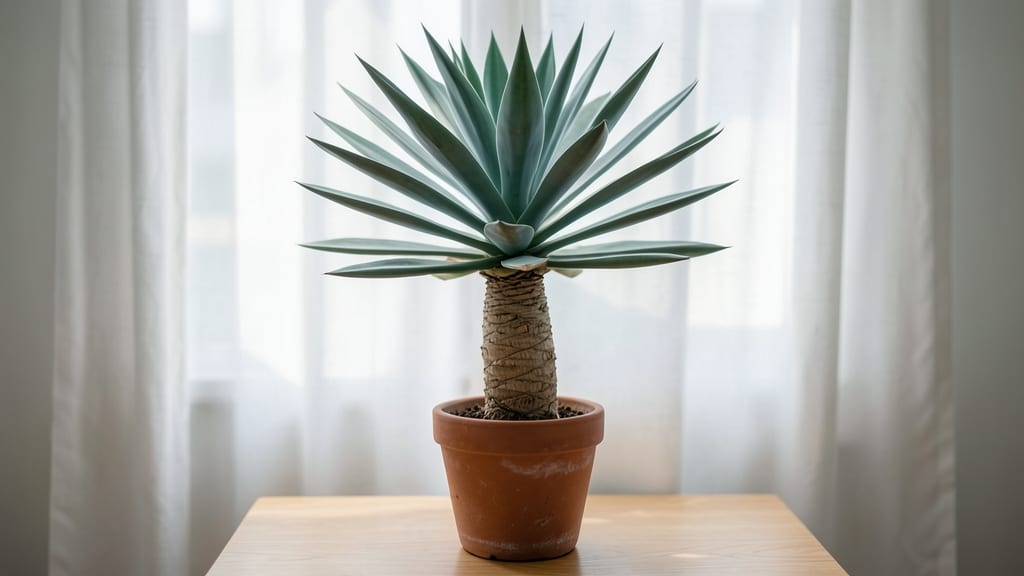
Yucca plant light requirements: ideal sunlight exposure for healthy growth
Yucca plants are sun lovers, but their light requirements can be tricky to get right. Unlike shade-loving plants, yuccas need bright, direct sunlight to thrive, but they can also suffer if exposed to too much harsh afternoon sun without acclimation.
Understanding their needs at each growth stage—whether indoors or outdoors—is key to avoiding common issues like yellowing leaves or stunted growth.
Outdoor yuccas naturally soak up 6-8+ hours of sunlight daily, especially in their native desert environments. However, indoor yuccas face a different challenge: finding the right balance of bright indirect light near a south-facing window.
Without enough light, your yucca may stretch toward the light (a condition called etiolation) or develop weak, leggy stems. Let’s break down the exact light conditions your yucca needs to stay healthy and vibrant.
🌵 Key Takeaway: Yuccas require full sun exposure but can adapt to partial shade in extreme heat with gradual adjustments. Indoor yuccas need a south-facing window or grow lights to mimic outdoor conditions.
| Growth Stage | Light Requirement | Ideal Hours of Sunlight | Signs of Stress |
|---|---|---|---|
| Outdoor Mature Plants | Full Sun | 6-8+ hours daily | Brown leaf tips (sunburn), slow growth |
| Outdoor New Growth | Bright Indirect Light | 4-6 hours (acclimate gradually) | Yellowing leaves, weak stems |
| Indoor Potted Yuccas | Bright Indirect Light | 4-6 hours near south window | Stretched, pale leaves (etiolation) |
| Indoor Yuccas with Grow Lights | Artificial Full Spectrum | 12-14 hours daily | Slow growth, dark spots |
| Yuccas in Hot Climates | Morning Sun + Afternoon Shade | 3-4 hours direct sun | Wilting, crispy edges |
For mature outdoor yuccas, full sun exposure is non-negotiable. These hardy plants thrive in 6-8+ hours of direct sunlight, especially in their native desert habitats. However, if you’re in a region with intense afternoon sun (like the Southwest U.S.), provide some afternoon shade to prevent sunburn.
Look for signs like brown leaf tips or crispy edges—these indicate your yucca is getting too much harsh light.
Newly planted or younger yuccas need a gentler introduction to sunlight. Start with bright indirect light and gradually increase exposure over 2-3 weeks to avoid shocking the plant. If you notice yellowing leaves or weak stems, your yucca isn’t getting enough light.
Move it to a sunnier spot or supplement with a grow light for indoor plants.
Indoor yuccas are the trickiest because most homes lack the bright light they crave. Place your potted yucca near a south-facing window, where it can receive 4-6 hours of indirect sunlight daily.
If your home has limited natural light, consider using a full-spectrum LED grow light for 12-14 hours per day. Without enough light, indoor yuccas will stretch toward the light, producing long, leggy stems and pale leaves—a clear sign of etiolation.
Even in ideal conditions, yuccas can show light deficiency symptoms if their needs aren’t met. Watch for these red flags: slow growth, dark green or purple-tinged leaves, and leggy stems.
These signs mean your yucca is stretching toward a light source, which weakens its structure. Adjust its position or add a grow light to restore balance.
One common mistake is assuming all sunlight is equal. While yuccas love light, they can’t handle sudden exposure to intense sun after being in low light. If you’re moving your yucca outdoors for the first time, acclimate it gradually over 7-10 days.
Start with 1-2 hours of morning sun and slowly increase exposure. This prevents sunburn, which appears as brown patches on the leaves.
Yuccas are incredibly adaptable, but their
How to adjust light for yucca plants in different climates (shade tips included)
Yucca plants are sun worshippers at heart, but their light needs shift dramatically depending on whether you're in a sweltering desert or a shady apartment. In USDA Zone 6a or hotter climates, afternoon sun can scorch leaves, while indoor yuccas often stretch pitifully toward dim windows.
The key is flexible positioning—adapting to your location without sacrificing their 6-8 hours of sunlight requirement.
For outdoor yuccas in arid regions, the solution is strategic shade during peak hours (11 AM–3 PM). Use 50% shade cloth or plant near structures that cast afternoon shadows. In cooler climates, morning sun exposure is ideal to prevent sunburn while still meeting their light needs.
Indoor growers face a different challenge: artificial grow lights become essential when natural light falls short.
Yucca Light Needs: Climate-Specific Solutions
✅ Pros of Full Sun Exposure
- 6-8 hours of direct sun = vibrant growth
- Prevents leggy, weak stems from stretching
- Enhances drought tolerance naturally
- Promotes blooming in mature plants
❌ Cons of Full Sun Exposure
- Afternoon sun (11 AM–3 PM) can burn leaves in hot climates
- Requires well-draining soil to prevent root stress
- Indoor yuccas near windows may overheat in summer
- Needs seasonal adjustments (e.g., winter shade in deserts)
🏡 Indoor Solutions
- South-facing window = best natural light
- Grow lights (12–14 hours/day) for low-light apartments
- Rotate pot weekly to prevent one-sided growth
🌵 Outdoor Adjustments
- 50% shade cloth for afternoon protection in deserts
- Plant near west-facing walls for filtered sun
- Mulch heavily to cool roots in extreme heat
Seasonal shifts matter too. In summer, yuccas in Zone 6a may need partial afternoon shade to avoid leaf scorch, while winter brings opportunities to move them closer to south-facing windows for extra light.
For indoor yuccas, LED grow lights (6,500K color temperature) placed 12–18 inches above the plant can replicate full-spectrum sunlight during shorter winter days.
Protecting yuccas from harsh afternoon sun doesn’t mean depriving them of light—it’s about timing and strategy. In desert climates, position yuccas to receive morning sun and dappled afternoon shade.
Use lightweight shade sails or plant them under deciduous trees that provide natural shade in summer but allow sun in winter. For container growers, elevate pots on cinder blocks to improve airflow and reduce heat stress at soil level.
If your yucca starts showing signs of light stress—like yellowing leaves or stretched, weak growth—it’s time to intervene. Gradually increase light exposure over 1–2 weeks to avoid shocking the plant.
For indoor yuccas, supplement with a timer-controlled grow light to maintain a consistent 12-hour light cycle, even when natural light is scarce. Remember, yuccas are tough survivors, but they’ll reward you with lush foliage and dramatic blooms when you meet their light needs just right.
🌵