
How To
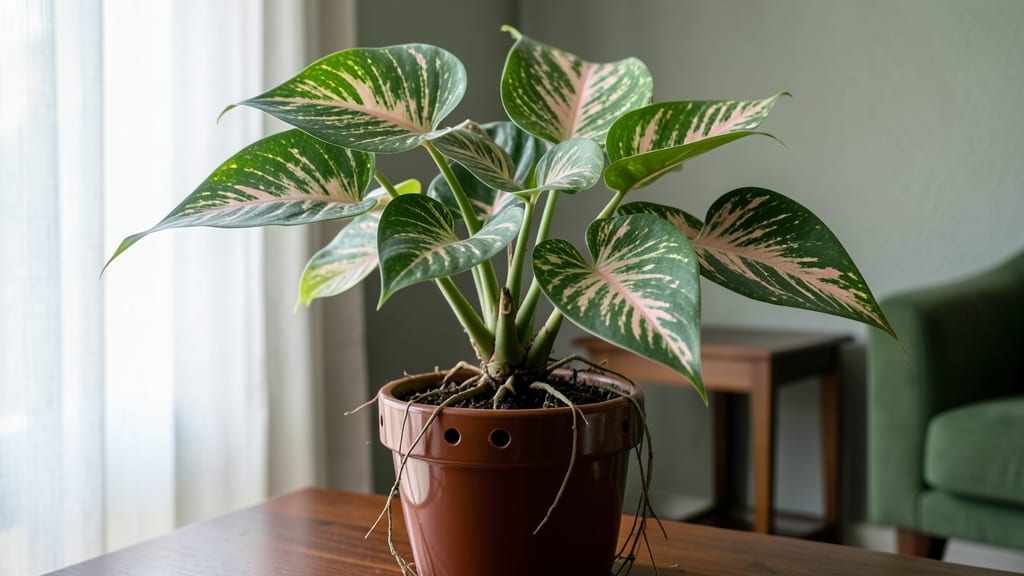
To keep your Arrowhead Plant 🌿 thriving, you might be surprised by how much light it actually needs—and most people get this wrong. Unlike sun-loving plants, this tropical beauty prefers bright but indirect light, and too much direct sun can turn its leaves into crispy messes.
The key is finding that sweet spot where the foliage stays lush and vibrant, not stretched or scorched.
If you've noticed your Arrowhead Plant's leaves turning pale or yellow, it's likely begging for more light—but not the harsh kind. Low-light spots can work, but growth slows dramatically, and those signature arrow-shaped leaves lose their punch.
I’ll show you exactly where to place it in your home, from east-facing windows to unexpected nooks that still deliver the perfect glow.
What’s even more confusing? Signs of light trouble often mimic other problems like overwatering or nutrient deficiencies. A few simple adjustments—like rotating the plant or adjusting its distance from a window—can make all the difference.
Let’s break down the exact conditions your Arrowhead Plant craves to keep it happy and healthy year-round.
Whether you’re dealing with leggy stems or dull leaves, understanding light isn’t just about placement—it’s about creating the ideal environment. Stick with me, and you’ll learn how to transform your plant’s health with just a few tweaks. Your Arrowhead Plant’s future starts with getting the light right.

Arrowhead plant light requirements: ideal brightness levels for healthy growth
The arrowhead plant (Syngonium) thrives under bright indirect light, mimicking its native tropical understory habitat. Unlike sun-loving succulents, this beauty hates direct sunlight, which causes leaf scorch and crispy edges.
Understanding its light needs is key to growing those signature arrow-shaped leaves that make it a showstopper.
Most growers mistakenly place arrowhead plants in south-facing windows or under harsh artificial lights. This tropical plant actually prefers filtered light—think dappled sunlight through sheer curtains or a spot 3-6 feet from an east or west window.
The ideal light intensity should be about 60% of full sunlight, similar to what you'd find under a canopy of trees.
Here's why getting the light right matters: Too little light leads to slow growth and pale, leggy stems, while too much direct sun causes irreversible leaf damage. The solution?
Find that sweet spot where your plant gets 4-6 hours of bright, filtered light daily—enough to fuel growth but gentle enough to protect delicate foliage.
🌿
For indoor growers, east-facing windows are often the best spot—morning sun is gentle and won't overheat your plant. If you only have a south-facing window, place your arrowhead plant at least 6 feet away or use a sheer curtain to diffuse the intensity.
Remember, this tropical plant comes from forest understories, where sunlight is filtered through leaves high above.
One common mistake is assuming all houseplants need bright light. While succulents and cacti crave direct sun, arrowhead plants are different—they'll show you exactly when they're unhappy.
Watch for yellowing leaves (too much light) or stretched, pale stems (too little light). These visual cues help you adjust placement before permanent damage occurs.
If your home lacks natural light, consider supplementing with LED grow lights. Position them 12-14 inches above your plant and use them for 12-14 hours daily.
Look for bulbs with a 6500K color temperature to mimic natural daylight. This setup works beautifully for office plants or north-facing rooms where sunlight is scarce.
Pro tip: Rotate your arrowhead plant quarter-turns every 2-3 weeks to ensure even growth. Plants naturally grow toward light sources, so rotation prevents lopsided development and helps maintain that symmetrical foliage we all love. This simple habit makes a world of difference in keeping your plant looking its best.
🪴
When in doubt, observe your plant's leaf color—it's the best indicator of light success. Healthy arrowhead plants display rich green leaves with distinct arrow patterns. If you notice brown patches, move it away from direct sun immediately.
For pale, stretched leaves, find a brighter spot or add a grow light. These visual cues are your plant's way of communicating its needs—learn to listen!
Remember, every home's lighting is unique. What works for one grower might not suit yours. Experiment with different spots, observe your plant's response, and adjust accordingly. With the right light balance, your arrowhead plant will reward you with vibrant growth and those stunning arrow-shaped leaves for years to come.
Signs your arrowhead plant has too much or too little light (and how to fix it)
Your arrowhead plant (Syngonium) sends clear signals when its light conditions are off. Yellow leaves or stretched stems aren’t just random problems—they’re cries for help.
Most growers overcorrect by moving plants to harsh sunlight, which actually burns delicate foliage. Let’s diagnose your plant’s light struggles and fix them with precision.
First, check your plant’s current location. If it’s near a south-facing window with direct rays, those crispy brown edges are a sure sign of too much light. Conversely, if leaves are pale and sparse with long, leggy stems, your arrowhead is begging for more brightness.
The key is finding that bright indirect light sweet spot—like morning sun through sheer curtains.
Here’s the quick fix: rotate your plant quarter-turn weekly to ensure even growth. If stems stretch toward light, move it 3-6 inches closer to a window.
For low-light spots, supplement with a grow light 12 inches away for 6 hours daily. Remember, arrowheads adapt slowly—give adjustments 2-4 weeks before reassessing.
Light Conditions for Arrowhead Plants
✅ Too Little Light
- Pale green leaves (lacks chlorophyll)
- Leggy stems (reaching for light)
- Slow growth (metabolic slowdown)
- Small, sparse leaves (energy conservation)
FIX: Move to bright indirect light (east/west window) or add grow light.
❌ Too Much Light
- Brown leaf tips (sunburn)
- Yellow patches (chlorophyll breakdown)
- Bleached white areas (direct UV damage)
- Crispy edges (transpiration stress)
FIX: Filter light with sheer curtain or move 1-2 feet away from window.
Repotting can also reset your plant’s light balance. Choose a terracotta pot (breathable material) and well-draining soil mix with perlite. The larger root system will help stabilize growth during light adjustments. Prune overly leggy stems to encourage bushier, healthier regrowth—just above a leaf node for best results.
For office or bathroom spots, place your arrowhead on a bookshelf near a window or use a reflective surface (like a mirror) to bounce light.
If leaves develop red or purple hues, it’s a sign of stress from inconsistent light—adjust gradually over 1-2 weeks to avoid shocking the plant.
Monitor your arrowhead’s progress by tracking leaf color and stem thickness weekly. A happy arrowhead has deep green, glossy leaves with compact growth. With these fixes, you’ll transform sad, stretched plants into vibrant, bushy beauties in just a few months. 🌿