
Plants
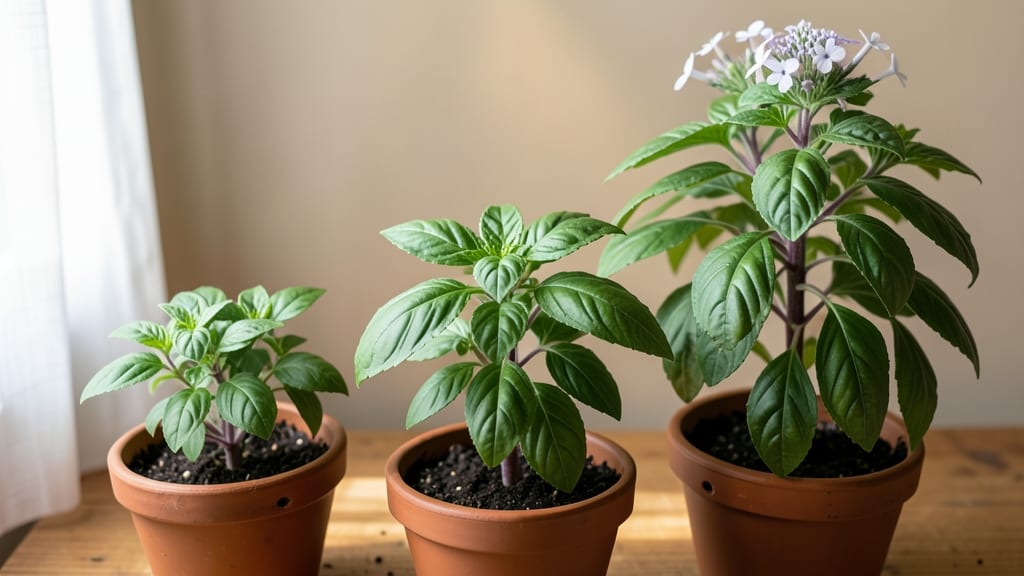
If you’ve ever watched how tall a basil plant can grow stretch skyward like a sunflower chasing the sun, you’re not alone—this fast-growing herb can surprise even seasoned gardeners with its height.
While most varieties top out between 1 and 2 feet, some can reach nearly 3 feet if left unchecked, especially in ideal conditions. But here’s the catch: the right care (or lack of it) determines whether your basil becomes a lush, bushy plant or a leggy, woody stalk.
Understanding how tall your basil should grow isn’t just about aesthetics—it’s about maximizing your harvest. Dwarf varieties like Spicy Globe stay compact at 8–12 inches, perfect for windowsills, while standard types like Genovese can tower toward 2 feet if given enough space and sunlight.
The key? Pruning, pinching, and proper spacing can keep your plants at your desired height while boosting leaf production.
Ready to take control? I’ll break down the height ranges by variety, share my go-to pruning techniques to manage growth, and reveal why some basil plants seem to grow on steroids (hint: it’s not always a good thing).
Whether you’re growing basil in pots or in the ground, these insights will help you grow the perfect-sized plants for your kitchen—and your space.
Let’s dive into the secrets behind basil’s height, so you can enjoy fresh leaves all season long without the overgrowth headaches.


Basil plant height by variety: dwarf to giant growth ranges
If you’ve ever wondered why your Genovese basil reaches for the sky while your Thai basil stays compact, you’re not alone. Basil varieties grow at dramatically different rates—some perfect for windowsill gardens, others thriving as towering giants in your herb patch.
Understanding these differences isn’t just about aesthetics; it directly impacts your harvest yield and garden layout. Let’s explore how tall each popular variety can grow and what that means for your planting strategy.
Most basil plants fall between 12 inches and 2 feet at maturity, but genetics play a huge role. Dwarf varieties like Spicy Globe stay under a foot tall, making them ideal for container gardening, while standard varieties like Genovese can stretch toward 2 feet or more if left unpruned.
Even within the same species, growth habits vary—some sprawl outward, while others grow upright. This affects everything from spacing requirements to whether you’ll need support stakes or trellises.
Here’s the key insight: Compact varieties thrive in small pots or window boxes, while taller varieties need room to stretch in in-ground beds. For example, Purple basil often grows bushier but can still reach 18 inches, while Thai basil tends to stay shorter but may sprawl more.
Let’s break down the specifics so you can choose the perfect variety for your space—and maximize your harvest!
Now that you’ve seen the height ranges, let’s talk about how these differences affect your planting strategy. Dwarf varieties like Spicy Globe are perfect for windowsill gardens or small pots on patios.
Their compact growth means they won’t outgrow their space, and their rounded shape makes them ideal for decorative displays. If you’re growing them in containers, a 6-inch pot is plenty—just ensure it has drainage holes to prevent root rot.
On the other hand, taller varieties like Genovese or Lemon Basil need more room to stretch. In in-ground gardens, space them 12–18 inches apart to give their roots room to spread and prevent competition.
If you’re growing them in containers, opt for at least 12-inch pots to accommodate their height. Without proper spacing, you’ll risk overcrowding, which can lead to stunted growth or pests like aphids.
Here’s a pro tip: Pruning habits can dramatically alter a basil plant’s height. If you pinch back the tips regularly, you’ll encourage bushier growth and shorter stature—ideal for container gardening.
But if you’re aiming for taller stems (like for culinary basil), let the plant grow taller before harvesting the lower leaves. This balance is key to managing height without sacrificing yield.
Light exposure also plays a role in how tall your basil grows. While most varieties thrive in full sun (6+ hours daily), shadier conditions can lead to leggy growth as the plant stretches toward light.
If you notice your basil getting too tall too quickly, it might be a sign of insufficient light. Move it to a sunnier spot or supplement with a grow light to keep it compact and healthy.
Finally, don’t overlook the soil and nutrients. Basil plants grown in rich, well-draining soil with balanced fertilizer (like
How to control basil height: pruning, pinching & support techniques
Basil plants naturally grow between 1 to 2 feet tall, but with the right techniques, you can shape them to fit your garden perfectly. Whether you want a compact bush for containers or a taller stalk for easy harvesting, controlling height starts with understanding when and how to prune.
The key lies in balancing pinching, pruning, and support systems to encourage the growth pattern you desire while maximizing leaf production.
Most gardeners make the mistake of letting basil grow unchecked until it flowers, which signals the end of its productive life. Instead, strategic pruning can extend your harvest by 30-50% while keeping the plant at your preferred height.
For example, Genovese basil left unpruned may reach 2 feet, but with regular pinching, it stays bushier and more manageable. Let’s break down the exact steps to control your basil’s height effectively.
Step-by-Step Basil Height Control
- Step 1: Pinch Early When basil reaches 6 inches, pinch off the top set of leaves using your fingers. This encourages side shoots and a bushier plant.
- Step 2: Prune Regularly Every 2-3 weeks, trim stems just above a leaf node. This promotes new growth and keeps the plant from getting leggy.
- Step 3: Use Support for Tall Varieties For varieties like Thai basil that grow 2+ feet, insert a bamboo stake or small trellis when the plant is 1 foot tall.
- Step 4: Harvest Strategically Cut stems just above a leaf node when harvesting. This stimulates branching and prevents the plant from growing too tall.
- Step 5: Avoid Overhead Watering Water at the base to prevent leaf diseases that weaken stems, which can cause the plant to flop or grow unevenly.
If you’re growing basil in containers, pruning becomes even more critical because space is limited. Dwarf varieties like Spicy Globe naturally stay under 12 inches, but they still benefit from occasional pinching to maintain their compact shape.
For taller varieties, like Lemon basil, which can reach 3 feet without support, use a small trellis to guide growth upward and save space in your garden.
One common mistake is pruning too late in the season. Once basil starts flowering, it’s time to harvest the entire plant or let it go to seed. Flowering signals the end of its productive life, and pruning at this stage won’t revive leaf production.
Always prune in the morning when the plant is hydrated, and use clean, sharp scissors to avoid damaging stems. This ensures clean cuts that heal quickly and promote healthy regrowth.
For a bushier basil plant, focus on pinching the top growth early and often. If you prefer a taller stalk for easier leaf harvesting, reduce pinching and let the plant grow taller before pruning.
Just remember, even tall basil benefits from occasional pruning to maintain balance and encourage new growth. With these techniques, you’ll have basil at the perfect height for your needs—whether that’s a windowsill bush or a towering harvest tower.