
Size
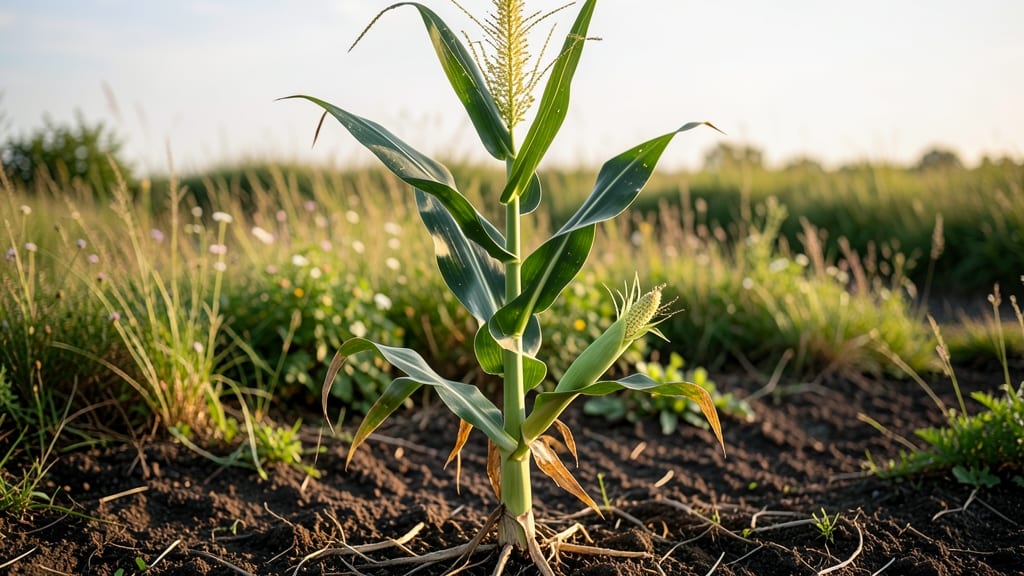
If you’ve ever watched a corn plant how tall it can grow like a 🌽 jungle in your garden, you know its height can be as impressive as it is intimidating. Some varieties stretch toward the sky, while others stay compact—so how tall can a corn plant really grow?
The answer depends on the type you choose, and getting it right means better yields, smarter spacing, and fewer headaches when harvest time rolls around.
Picture this: standard sweet corn varieties reaching 6 to 8 feet tall, while field corn can soar up to 12 feet or more. But dwarf varieties? They top out around 3 to 5 feet, making them perfect for small gardens or containers.
The key lies in genetics, sunlight, and soil quality—all factors you can control to coax the right height from your plants.
For gardeners working with limited space, this isn’t just about aesthetics—it’s about strategy. Tall corn needs room to breathe, while dwarf varieties let you pack more plants into tight spots.
Whether you’re planting in rows or trellising, understanding these height differences helps you plan for success before the first seed hits the soil.
Let’s break down the varieties, spacing tricks, and common mistakes that can stunt growth—so you can grow corn that’s as productive as it is eye-catching. Ready to turn your garden into a corn tower (or a neatly organized plot)? Let’s get started.


Corn plant height by variety: from dwarf to towering giants
Choosing the right corn variety isn’t just about taste—it’s about space. Some corn plants grow taller than a basketball hoop, while others stay compact enough for containers. The height of your corn directly affects spacing needs, trellising requirements, and even harvest accessibility.
Let’s explore the stunning range of corn heights so you can pick the perfect fit for your garden.
Most gardeners assume all corn reaches skyward, but the truth is far more varied. Field corn varieties can soar to 12 feet or more, while dwarf sweet corn stays under 5 feet.
Even within sweet corn, heights vary from 3-foot patio-friendly varieties to 8-foot traditional stalks. Understanding these differences helps you avoid overcrowding and maximize your garden’s potential.
Here’s a quick look at how corn heights break down by category:
Dwarf varieties like 'Golden Bantam' are perfect for container gardening or small urban spaces. These 3–5-foot stalks produce sweet ears without dominating your garden. They’re also ideal for heirloom collections since their compact size makes them easier to manage.
On the opposite end, field corn varieties like 'Reid Yellow Dent' can reach 12 feet or taller, making them unsuitable for most home gardens. Their towering height requires wide spacing and strong winds to support their weight.
If you’re growing corn for ornamental purposes or wildlife habitat, these giants add dramatic vertical interest.
For most home gardeners, semi-dwarf sweet corn offers the best balance. Varieties like 'Peaches and Cream' grow to 5–7 feet, making them manageable while still producing abundant ears. They’re also less prone to lodging (falling over) than taller varieties, which means fewer broken stalks and easier harvesting.
Height isn’t the only factor—stalk strength matters too. Taller corn needs sturdy stems and proper support. If you’re growing 8-foot varieties, consider trellising or planting near fences to prevent stalks from bending under the weight of ears.
Even dwarf varieties benefit from light staking if you experience heavy winds.
Pro tip: Check seed packets for maturity days and height estimates. Some varieties labeled as "short" might still reach 6 feet, while others promise "bush-type" growth under 4 feet.
Always measure your space before committing to a variety, especially if you’re working with raised beds or containers.
Remember, corn height is influenced by more than just genetics. Sunlight, soil fertility, and watering habits can push a plant 1–2 feet taller or shorter than expected.
For example, poor soil nutrients might stunt a 7-foot variety to just 5 feet, while rich compost could make a 5-foot dwarf reach 6 feet. Pay attention to these factors to meet your height goals.
Whether you’re dreaming of skyscraper corn or prefer boutique-sized stalks, choosing the right height variety ensures your garden stays productive, organized, and beautiful. Now that you know the options, it’s time to pick your perfect corn plant—just don’t forget to save some seeds for next year!
How to maximize space for tall corn plants without sacrificing yield
Tall corn plants can easily dominate your garden, but with the right strategies, you can grow them efficiently even in small spaces. The key is understanding how to work with their natural height while optimizing your layout.
Whether you're dealing with 8-foot sweet corn or 10-foot field corn, smart planning ensures you get great yields without losing valuable garden real estate.
For many gardeners, the challenge isn't just fitting corn into a plot—it's balancing its height with other crops. Tall corn varieties need 18-24 inches between plants and 3 feet between rows, which can feel overwhelming in a backyard or balcony garden.
But don’t let that stop you! With techniques like trellising, companion planting, and staggered schedules, you can turn limitations into opportunities.
Here’s how to make the most of your space while keeping your corn happy and productive:
- 🌱 Choose the Right Variety: Opt for semi-dwarf varieties like 'Silver Queen' (6-7 ft) or 'Peaches and Cream' (5-6 ft) to save space while still enjoying sweet corn. These grow 2-3 feet shorter than standard types but produce just as well.
- 🪴 Use Trellises or Cages: Train corn stalks to grow vertically with bamboo stakes or wire trellises. This frees up ground space for other crops and reduces shading. Just ensure the trellis is 6-8 feet tall to support mature plants.
- 🌿 Companion Plant Smartly: Pair corn with shallow-rooted plants like beans, lettuce, or radishes. These thrive in the partial shade corn provides and don’t compete for nutrients. Avoid planting near tomatoes or potatoes, which can stunt corn growth.
- ⏰ Stagger Planting Times: Instead of planting all your corn at once, space out sowings by 2-3 weeks. This extends your harvest season and prevents overcrowding. For example, plant one row in early May and another in late May for a continuous supply.
- 🌳 Grow in Containers or Raised Beds: Use large pots (18+ inches deep) or raised beds to grow corn in urban settings. Choose dwarf varieties like 'Golden Bantam' (5 ft) and place containers near a south-facing wall for maximum sunlight.
Another game-changer is interplanting. After harvesting early crops like radishes or lettuce, replant the space with corn. This keeps your garden productive year-round and ensures no square foot goes to waste. Just be mindful of corn’s deep root system, which can disrupt smaller plants if not managed carefully.
For urban gardeners with limited space, consider vertical gardening techniques. Corn can be grown along a permanent trellis or fence, creating a living screen that also produces food.
Just ensure the structure is sturdy enough to support mature stalks, especially in windy conditions. A simple DIY trellis made from PVC pipes or wooden stakes works wonders!
Remember, the goal isn’t just to fit corn into your garden—it’s to create a thriving ecosystem where every plant has room to grow. With these space-saving tips, you’ll enjoy bountiful corn harvests without sacrificing yield or aesthetics. Happy gardening!