
Plants
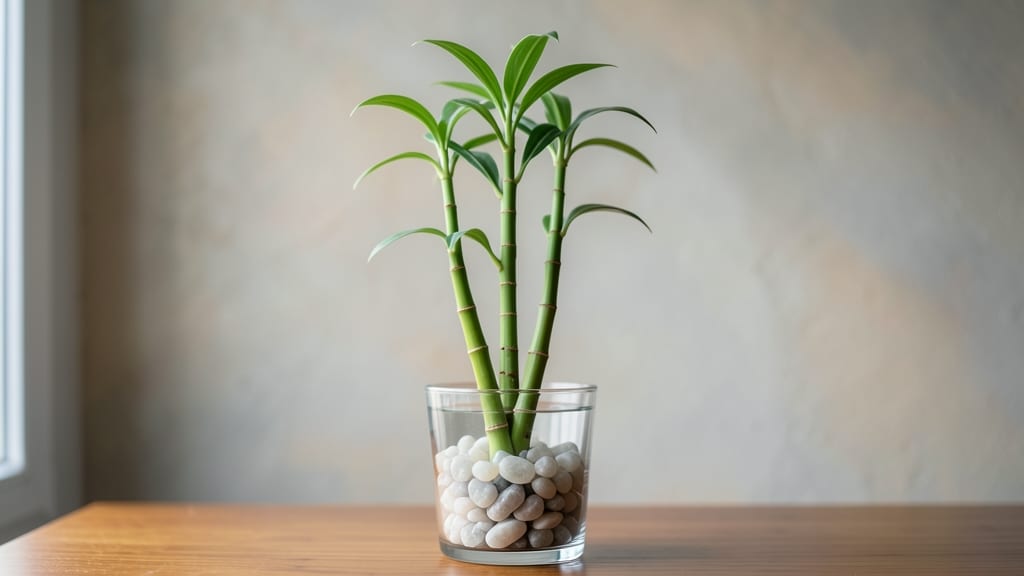
If you’ve ever wondered how tall a lucky bamboo plant can grow, the answer might surprise you—this plant can reach heights of up to 6 feet under the right conditions, turning a simple desk plant into a striking vertical statement.
But here’s the catch: whether your lucky bamboo grows tall or stays compact depends entirely on how you care for it. Light, water, and even the size of its container play a huge role in determining whether it becomes a towering centerpiece or stays a manageable tabletop accent.
In this guide, I’ll break down exactly what influences your lucky bamboo’s height—from the fastest-growing varieties to simple tricks for keeping it at your desired size.
You’ll learn how to encourage (or limit) its growth without sacrificing its health, so you can enjoy its lush, flowing stems no matter your space.
Ready to unlock the secrets behind this plant’s impressive growth? Let’s dive into the care tips that’ll help you grow lucky bamboo that’s just the right height for your home.


Lucky bamboo height limits: how tall can it grow indoors?
Lucky bamboo (Dracaena sanderiana) is famous for its striking, arching stems that can reach impressive heights indoors—but how tall can it really grow? Under ideal conditions, this plant typically matures between 3 to 6 feet tall, though some varieties or neglected plants may stretch up to 10 feet in rare cases.
Unlike true bamboo, lucky bamboo grows slowly at first but accelerates with proper care, making height management a key consideration for small spaces.
Your lucky bamboo’s height depends on three critical factors: light exposure, container size, and care consistency. Bright indirect light fuels faster growth, while cramped root space stunts vertical expansion.
Even a small change—like switching to a larger pot or adjusting your watering routine—can dramatically alter how tall your plant becomes over time. Let’s break down the science behind its growth and how to control it for your home.
🌱
| Growth Factor | Typical Height Range | Key Influences |
|---|---|---|
| Standard Variety | 3–6 feet | Bright indirect light, large pot, consistent water |
| Dwarf Variety | 0.5–1.5 feet | Genetics, small pots, limited light |
| Neglected Plant | Up to 10 feet | Low light, overcrowded roots, inconsistent care |
| Hydroponic Setup | 4–8 feet | Frequent water changes, nutrient-rich solution |
If you’re dealing with a 6-foot lucky bamboo in your living room, don’t panic—it’s not true bamboo (which can tower over 30 feet!). Lucky bamboo’s height is entirely controllable with simple adjustments.
For example, pruning the stems at the base encourages bushier growth and shorter height, while repotting into a larger container can spur rapid vertical expansion if you prefer a taller look.
The key is understanding your plant’s signals: yellowing leaves often mean it’s stretching too much for its light source, while stunted growth may indicate root-bound conditions.
Container selection plays a huge role in height control. A shallow, wide pot (like a decorative bowl) will keep your lucky bamboo compact and bushy, while a tall, narrow vase encourages vertical growth.
Pro tip: Use clear containers to monitor root health—if roots are circling the bottom, it’s time to repot into a 2-3 inch larger diameter to support future growth. This small change can prevent your plant from becoming a top-heavy tower that risks toppling over.
✂️
Pruning isn’t just for shaping—it’s a powerful tool to manage height. To limit growth, trim stems back by one-third in early spring using clean, sharp scissors. The plant will redirect energy into thicker, shorter stems rather than shooting upward.
For encouraging height, leave the tallest stems intact and avoid pruning for 6-8 weeks to let it focus on vertical expansion. Always prune just above a node (the small bump where leaves emerge) to promote new growth from that point.
Light is the #1 factor determining how tall your lucky bamboo will grow. Place it 1-3 feet from an east or north-facing window for bright indirect light, which promotes balanced growth. Avoid direct sunlight, which can scorch the leaves and cause stunted, leggy stems.
A grow light (12 hours/day) is a great backup for rooms without natural light—just position it 12-18 inches above the plant to prevent elongation. Without enough light, your lucky bamboo will reach for the sky, growing tall and weak in its quest for sunlight.
💡
Water quality is another sneaky height controller. Lucky bamboo thrives in distilled or filtered water—tap water with chlorine or fluoride can cause browning tips and slowed growth.
If your plant starts drooping or growing erratically, flush the container with fresh water every 2 weeks to remove buildup. Overwatering or stagnant water (a common mistake) can lead to root rot, which stunts growth entirely.
Always ensure the container has drainage holes or use a pebble tray to prevent soggy roots.
Temperature and humidity also play subtle but important roles. Lucky bamboo prefers 65–80°F and 40–60% humidity—conditions common in most homes. Dry air (from heating or AC) can cause leaf tips to brown and growth to slow, while high humidity (like a bathroom) encourages faster, healthier expansion.
If your home is dry, mist the leaves weekly or place a humidifier nearby to keep your plant thriving at its full potential height.
🌿
For small spaces, consider dwarf varieties like ‘Rainbow’ or ‘Golden Goddess’, which max out at 1-2 feet tall. These are bred to stay compact and colorful, making them perfect for desks or shelves.
If you love the look of tall lucky bamboo but lack ceiling space, propagate cuttings to create multiple smaller plants—simply place a 4-inch stem in water, and it’ll root within 2-3 weeks. This way, you get the aesthetic appeal without the height commitment.
Remember, lucky bamboo’s height is 100% in your hands. With the right light, container, and care, you can keep it short and bushy or let it reach its full 6-foot glory.
Start by assessing your space, then adjust one factor at a time—whether it’s pruning, repotting, or lighting—to get the perfect height for your home.
5 Key factors that control lucky bamboo growth height
Your lucky bamboo’s vertical growth isn’t just luck—it’s science! Five key factors determine whether your plant stretches toward the ceiling or stays compact. Understanding these will help you control its height precisely, whether you want a towering statement piece or a small tabletop display.
First, let’s tackle the biggest influencer: light exposure. Lucky bamboo thrives in bright indirect light, which fuels its growth. Too little light slows it down, while too much direct sun can scorch its leaves. Place your plant near an east-facing window for optimal growth without risking damage.
Next up is water quality. Lucky bamboo is famously sensitive to impurities like chlorine and fluoride, which can stunt growth or cause browning. Always use distilled or filtered water—tap water can halt vertical growth entirely if not treated properly.
Here’s where things get interesting: temperature and humidity work together to either speed up or slow down your plant’s growth. Lucky bamboo prefers 65–85°F and moderate humidity.
If your home is too dry (common in winter), growth may stall. A simple pebble tray with water can boost humidity and encourage taller, healthier stems.
Bright indirect light (2-4 hours daily) fuels 3-6 ft growth. Too little light = stunted growth; too much direct sun = leaf damage.
Use distilled or filtered water—chlorine/fluoride in tap water can halt growth or cause browning.
Ideal range: 65–85°F. Below 60°F or above 90°F can slow growth significantly.
Low humidity (40% or less) stunts growth. Use a pebble tray or humidifier to keep levels above 50%.
Small containers (6-inch diameter) limit height to 1-2 ft. Larger pots (10+ inches) allow 4-6 ft growth.
Don’t overlook the root space in its container. Lucky bamboo grows taller when its roots have room to spread. A 6-inch pot will keep it compact (1–2 feet), while a 10-inch or larger container can push it toward its full 4–6 foot potential.
If you want to limit height, choose a smaller pot or trim the roots slightly during repotting.
Finally, remember that consistency is key. Lucky bamboo responds best to stable conditions. If you adjust one factor—like moving it to a brighter spot—give it time to adapt.
Within a few weeks, you’ll see whether your plant is reaching for the sky or staying grounded, all thanks to these five growth controllers.
Now that you know how to fine-tune your lucky bamboo’s height, you’re ready to create the perfect plant for your space—whether that’s a dwarf variety for a small desk or a tall statement piece for your living room. 🌱