
Plants
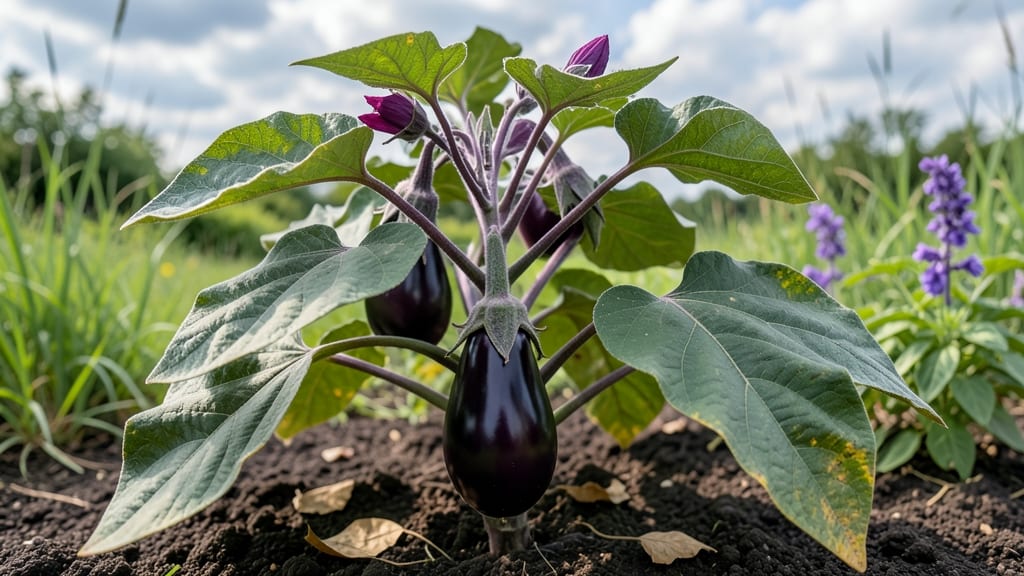
If you’ve ever wondered how tall eggplant plants grow before committing to planting them, you’re not alone—many gardeners hesitate because these plants can vary wildly in size. Some stay neatly contained in pots, while others stretch skyward like unexpected sunflowers, demanding more space than you might expect.
The good news? With the right variety and a little planning, you can easily accommodate them, whether you’re working with a small balcony or a sprawling backyard.
Eggplants typically reach heights between 2 and 4 feet, but the truth is far more nuanced. Dwarf varieties like ‘Fairy Tale’ or ‘Patio Baby’ stay compact at just 1 to 2 feet, making them perfect for containers or tight spaces.
On the other end of the spectrum, standard types like ‘Black Beauty’ or ‘Ichiban’ can tower up to 4 feet or more, so spacing and support become key. Knowing these differences upfront saves you from surprises later in the season.
Beyond height, growth habits play a big role in how you manage your plants. Some varieties sprawl outward, while others grow upright, which can influence whether you need trellises, cages, or simply more room to let them stretch.
Even the way you prune can control their height—pinching back stems early can encourage bushier growth, while letting them grow freely might lead to taller, leggier plants. The right approach depends on your space and goals.
Whether you’re a first-time gardener or a seasoned pro, understanding these variations helps you choose the perfect eggplant for your garden. From dwarf options that fit snugly in pots to towering varieties that need a dedicated spot, there’s an eggplant for every setup.
Let’s break down the specifics so you can grow confidently—no guesswork required.


Eggplant height ranges by variety: from dwarf to giant
Choosing the right eggplant variety depends heavily on your available space and growing conditions. Eggplants typically range from 12 inches to over 5 feet tall, with some varieties designed specifically for containers or small gardens.
Understanding these height variations helps you select plants that thrive in your environment while maximizing your harvest.
Most gardeners assume all eggplants grow tall, but the truth is far more diverse. Dwarf varieties like 'Fairy Tale' stay under 2 feet, making them perfect for balconies or windowsills.
Meanwhile, standard varieties like 'Black Beauty' reach 3-4 feet, requiring more space. Some heirlooms even exceed 5 feet, demanding careful planning and support.
Your garden's layout plays a crucial role in variety selection. Compact varieties work well in urban gardens or raised beds, while taller varieties need trellises or sturdy cages to prevent sprawling. Let's explore the full spectrum of eggplant heights to help you make the best choice for your growing space.
Here's a quick comparison of eggplant varieties by height to help you visualize their mature sizes:
| Variety Type | Height Range | Space Needs | Best For |
|---|---|---|---|
| Dwarf Varieties | 12-24 inches | Containers, small pots, windowsills | Balconies, urban gardens, patios |
| Compact Varieties | 24-36 inches | Raised beds, small plots, 5-gallon containers | Small gardens, container growing |
| Standard Varieties | 36-48 inches | In-ground plots, large containers (15+ gallons) | Traditional gardens, backyard plots |
| Giant/Heirloom | 48-60+ inches | Large gardens, trellises, spacious areas | Farm plots, experienced gardeners |
For container gardening, prioritize dwarf varieties like 'Patio Baby' or 'Fairy Tale Eggplant'. These stay under 2 feet tall and thrive in 5-gallon pots with proper drainage. Their compact growth makes them ideal for patios or balconies, even in small urban spaces.
If you have a traditional garden bed, standard varieties like 'Black Beauty' or 'Ichiban' reach 3-4 feet tall. These need 18-24 inches of spacing between plants to prevent overcrowding. Their upright growth habit makes them perfect for in-ground planting with minimal support.
For large gardens or trellis systems, consider giant varieties like 'Rosa Bianca' or 'Turkish Orange'. These can exceed 5 feet tall and produce large, unique fruits. However, they require sturdy support and more space to prevent shading smaller plants.
Your climate zone also influences variety selection. In warmer zones (8-10), taller varieties thrive with proper watering. In cooler zones (5-7), shorter varieties mature faster before frost. Always check seed packets for days to maturity to align with your growing season.
Remember that pruning and support can modify a plant's height. Even standard varieties can be kept shorter with regular pruning, while dwarf varieties may grow taller if over-fertilized. Balance your expectations with the plant's natural growth habits for the best results.
When selecting eggplants, consider not just height but also fruit size and yield. Taller varieties often produce more fruit but need more care, while dwarf varieties yield smaller harvests but require less space. Match your goals to your garden's constraints for a successful growing season.
Start with 1-2 plants of each variety to test what grows best in your space. Keep detailed notes on height, yield, and care requirements to refine your approach for future seasons. Happy growing!
How to control eggplant plant height naturally: pruning and support tips
Eggplants can grow tall quickly, sometimes reaching 3 to 4 feet or more if left unchecked. While their height is natural, managing it ensures better fruit production and easier harvesting. The key is using natural pruning techniques and proper support systems to guide their growth without stunting the plant.
Pruning isn’t just about reducing height—it’s about encouraging stronger stems and more abundant flowers. By removing excess foliage and training the plant, you can maximize yield while keeping the plant manageable.
Whether you’re growing dwarf varieties in containers or tall types in the ground, these methods work for all eggplant sizes.
- Stakes: Use 3-4 foot bamboo stakes for standard varieties. Insert stakes 2-3 inches into the soil beside the plant.
- Cages: Opt for 5-6 foot tomato cages for taller varieties. Place cages at planting to avoid root disturbance.
- Trellises: Ideal for heavy-fruiting varieties like 'Black Beauty'. Use 6-foot tall trellises with cross supports.
- Remove yellow or diseased leaves first to prevent spread. Use clean, sharp pruners to avoid tearing stems.
- Trim suckers (small shoots in leaf axils) when they’re 1-2 inches long to redirect energy to fruit production.
- Cut back overly dense foliage to improve air circulation, reducing disease risk like powdery mildew.
- Gently tie vines to stakes or trellises using soft plant ties every 6-8 inches as they grow.
- For indeterminate varieties, pinch back the top growth once the plant reaches your desired height (e.g., 3 feet) to encourage bushier growth.
- Remove lower leaves touching the soil to prevent rot and improve stem strength.
- Check plants weekly for new suckers or overgrowth. Prune in the morning to allow wounds to heal by evening.
- If using containers, choose 5-gallon pots for dwarf varieties and 10+ gallons for standard types to support root growth.
- Fertilize with balanced 5-10-10 every 4-6 weeks to support vigorous but controlled growth.
One common misconception is that pruning will reduce your eggplant yield. In reality, proper pruning increases production by focusing the plant’s energy on fewer, larger fruits. For example, 'Fairy Tale' eggplants, which stay under 2 feet tall, benefit from light pruning to keep them compact and productive.
For taller varieties like 'Ichiban', which can reach 4 feet or more, use a combination of trellising and pruning. This not only controls height but also makes harvesting easier and reduces the risk of fruit rot from touching the ground.
Always prune 1/4 inch above a leaf node to encourage new growth.
If your eggplant starts to lean or flop, it’s a sign it needs support immediately. Tall varieties, in particular, can become top-heavy with fruit and snap under their own weight.
By combining pruning with support systems, you’ll create a stronger, healthier plant that produces more fruit with less effort. 🌱