
Plants
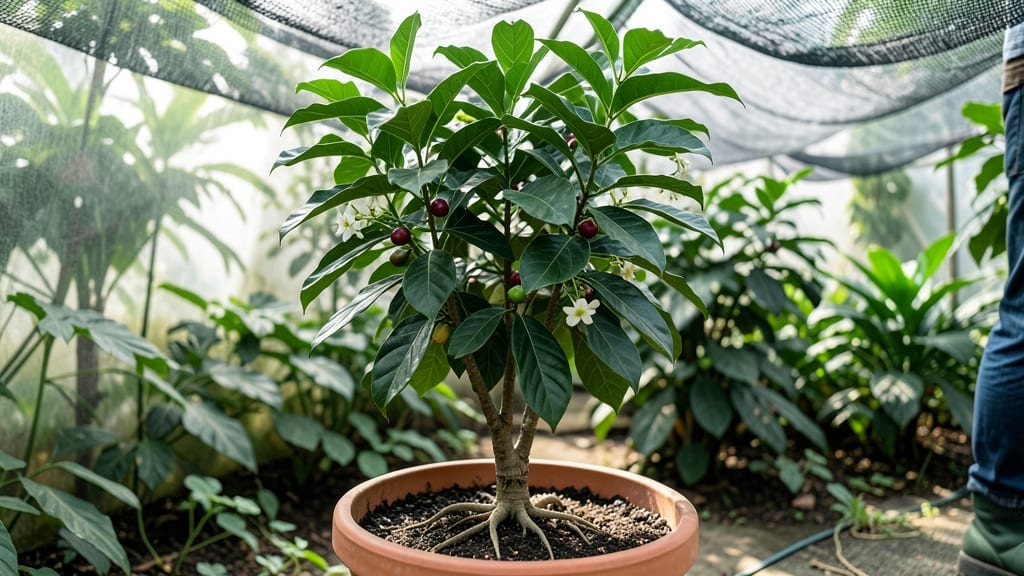
If you're wondering how tall does a coffee plant grow, you're eyeing that ☕ ☕ ☕ ☕ ☕ ☕ ☕ ☕ ☕ ☕ ☕ ☕ ☕ ☕ ☕ ☕ ☕ ☕ ☕ ☕ ☕ ☕ ☕ ☕ ☕ ☕ ☕ ☕ ☕ ☕ ☕ ☕ ☕ ☕ ☕ ☕ ☕ ☕ ☕ ☕ ☕ ☕ ☕ ☕ ☕ ☕ ☕ ☕ ☕ ☕ ☕ ☕ ☕ ☕ ☕ ☕ ☕ ☕ ☕ ☕ ☕ ☕ ☕ ☕ ☕ ☕ ☕ ☕ ☕ ☕ ☕ ☕ ☕ ☕ ☕ ☕ ☕ ☕ ☕ ☕ ☕ ☕ ☕ ☕ ☕ ☕ ☕ ☕ ☕ ☕ ☕ ☕ ☕ ☕ ☕ ☕ ☕ ☕ ☕ ☕


Coffee plant height by variety: dwarf vs giant coffee trees explained
When you imagine growing coffee plants at home, the first question that pops up is: how tall do coffee plants grow? The answer varies wildly—from compact dwarf varieties that fit on a patio to towering giant coffee trees reaching heights of 30 feet or more.
Understanding these differences helps you choose the perfect variety for your space, whether you're working with a small balcony or a sprawling backyard.
Coffee plants belong to the Rubiaceae family and are typically classified as shrubs or small trees. Their mature height depends on the species and cultivar.
For example, Coffea arabica (Arabica) and Coffea canephora (Robusta) are the two most popular species, but even within these, there are dramatic differences in growth habits. Let’s dive into the specifics so you can pick the right coffee plant for your garden.
🌱 Key Takeaway: Arabica varieties often grow taller and more gracefully, while Robusta tends to be stockier and slightly shorter. However, dwarf coffee plants are the exception—these are specially bred to stay small, making them ideal for containers and indoor growing.
| Variety | Mature Height | Growth Habit | Best For |
|---|---|---|---|
| Arabica ('Bourbon') | 15-25 ft | Elegant, upright tree | Large gardens, outdoor cultivation |
| Arabica ('Geisha') | 12-18 ft | Compact, bushy growth | Patios, containers (with pruning) |
| Robusta ('Catimor') | 10-20 ft | Stocky, dense shrub | Urban gardens, windy areas |
| Dwarf Arabica ('Nana') | 3-6 ft | Bushy, slow-growing | Indoor pots, small balconies |
| Robusta ('Conilon') | 20-30 ft | Tall, fast-growing | Large estates, rural areas |
If you're growing Arabica coffee plants, expect varieties like 'Bourbon' to reach 15-25 feet tall in ideal conditions. These are classic, elegant trees with a graceful canopy, perfect for adding tropical flair to a backyard.
On the other hand, 'Geisha', another Arabica favorite, tends to stay slightly shorter at 12-18 feet but produces high-quality beans worth the space.
For those with limited space, dwarf coffee plants like 'Nana' are a game-changer. These stay between 3-6 feet tall, making them ideal for container gardening on patios or even indoors near a sunny window.
They require the same care as larger varieties but won’t overwhelm your space. Just remember, even dwarf varieties need pruning to maintain their compact form.
🌿 Pro Tip: If you're growing coffee plants in containers, choose a variety like 'Nana' or 'Geisha' and prune regularly to encourage bushier growth. Use a 15-20 gallon pot for dwarf varieties to ensure root health and stability.
Robusta coffee plants, like 'Catimor' or 'Conilon', offer a different growth profile. 'Catimor' typically reaches 10-20 feet, making it a great mid-sized option for urban gardens. Meanwhile, 'Conilon' can grow as tall as 30 feet, rivaling small trees.
Robusta varieties are often hardier and more disease-resistant, but their larger size means they’re better suited for outdoor gardens with plenty of room to spread.
One common misconception is that all coffee plants grow into towering trees. In reality, most coffee plants are pruned to control height and improve yield. Even wild coffee plants can be kept smaller with regular pruning and training.
For example, if you're growing 'Bourbon' in a small yard, you can prune it annually to keep it under 10 feet while still enjoying a bountiful harvest.
When selecting a coffee plant, consider not just its mature height but also its growth rate and space requirements. Fast-growing varieties like 'Conilon' may outpace your expectations
How to choose the right coffee plant size for your space
Selecting the right coffee plant size for your space ensures you get the perfect cup of coffee without sacrificing your garden layout.
Whether you have a cozy patio container or a sprawling backyard, the variety you choose will determine how much room it needs to thrive—and how much pruning you’ll need to keep it in check.
For small spaces, dwarf varieties like 'Nana' or 'Mini' coffee plants can reach just 3-5 feet tall, making them ideal for windowsills or balconies.
Meanwhile, traditional varieties like Coffea arabica or Coffea canephora (Robusta) can grow up to 10-30 feet in ideal conditions, requiring ample yard space or large containers.
- Container Growers: 3-5 ft (dwarf varieties like 'Nana')
- Patio/Yard: 6-10 ft (semi-dwarf or pruned standard types)
- Large Gardens: 10-30 ft (full-size Arabica/Robusta varieties)
- Indoor Windowsills: 2-4 ft (bush-type or pruned young plants)
- Pruning Tip: Trim 1/3 of height annually to control growth
If you’re growing in containers, opt for varieties that stay under 5 feet tall to avoid overcrowding. Larger pots (at least 15-20 gallons) will support taller plants, but they’ll still need regular pruning to encourage bushier growth and higher yields.
For outdoor gardens, leave extra space—coffee plants spread 6-10 feet wide at maturity.
Pruning is key to managing height. Use sharp pruning shears to trim back 1/3 of the plant’s height in early spring before new growth begins. This encourages a bushier shape and prevents leggy, top-heavy growth. For container plants, pinch back tips regularly to keep them compact and encourage branching.
Don’t forget that coffee plants need sunlight—at least 6 hours of direct light daily—so place them where they’ll get plenty of light without being cramped.
In small spaces, a south-facing window or a sunny balcony works well, while larger gardens can accommodate taller varieties with more shade tolerance.
With the right variety and pruning routine, you can enjoy homegrown coffee beans regardless of your space. Start small with a dwarf variety if you’re unsure, then expand as you gain confidence in your coffee-growing skills! ☕