
Companion Plants
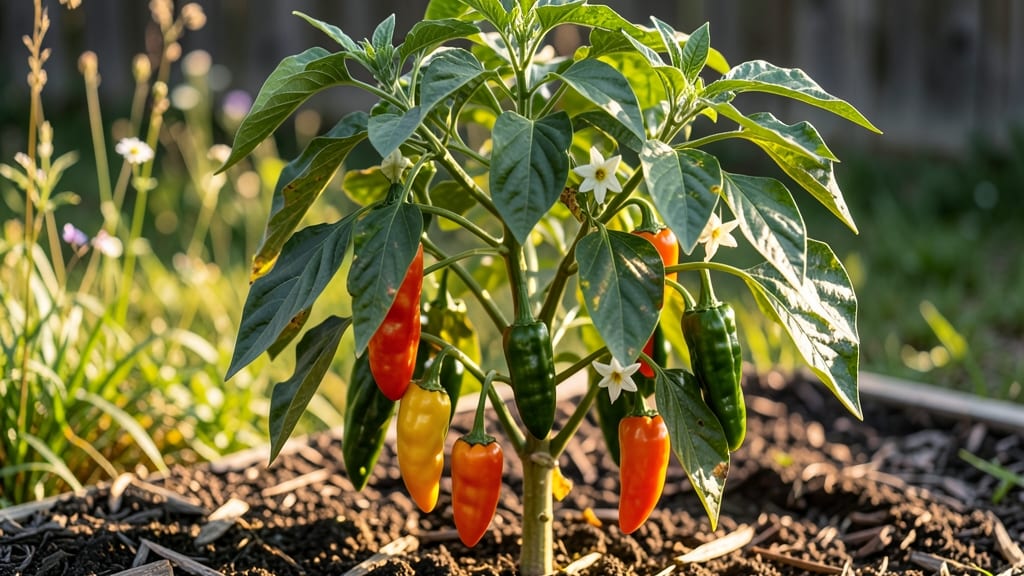
If you’ve ever wondered how tall does a habanero plant grow, the answer isn’t just about space—it’s about strategy. These fiery 🌶️ plants can reach anywhere from 2 to 4 feet, but their growth habits vary wildly depending on the variety and care you provide.
Some habaneros grow as bushy, compact shrubs, while others stretch tall like vines, demanding different spacing and support. Getting this right means fewer crowded plants, easier harvesting, and a more productive garden. Let’s break down exactly what to expect—and how to shape your plants for success.
Whether you’re planning a raised bed or a container setup, knowing these height ranges helps you avoid overcrowding or wasted space. Pruning, trellising, and even sunlight exposure play huge roles in controlling growth. I’ll show you how to keep your habaneros at the perfect height for your setup.
Ready to optimize your garden? By the end, you’ll know not just how tall these plants can grow, but how to steer them toward the ideal size for your space—and your harvest goals.


Habanero plant height by variety: exact growth ranges and space requirements
Understanding the mature height of your habanero plants is crucial for planning your garden layout. These fiery peppers can range from compact bushes to tall, sprawling vines, depending on the variety. Knowing these differences helps you allocate space, choose support structures, and maximize your harvest potential without overcrowding.
Most habanero varieties grow between 2 to 4 feet tall, but some can reach 5 feet or more if left unpruned. The growth habit—whether bushy or vine-like—also affects how you should space them.
For example, bush varieties like the Chocolate Habanero stay compact, while vine types like the Carolina Reaper need more vertical support.
Proper spacing ensures good air circulation, reducing the risk of fungal diseases and pests. A general rule is to give each plant 18 to 24 inches of space in all directions, but taller varieties may need 3 feet or more between plants.
Let’s break down the exact heights and spacing needs for the most popular habanero varieties.
Here’s a quick comparison of 10 common habanero varieties, including their mature heights, growth habits, and ideal spacing requirements. This table will help you visualize how each variety fits into your garden plan.
| Variety | Mature Height | Growth Habit | Spacing Needs | Support Needed? |
|---|---|---|---|---|
| Carolina Reaper | 3–4 ft | Bushy, upright | 24–36 in | Yes (cage or stake) |
| Scotch Bonnet | 2–3 ft | Compact bush | 18–24 in | No (unless heavy fruiting) |
| Chocolate Habanero | 2–3 ft | Bushy, spreading | 20–24 in | No (unless windy) |
| Rocoto | 3–5 ft | Tall, vine-like | 36+ in | Yes (trellis or stake) |
| Red Savina | 2.5–3.5 ft | Bushy, upright | 24 in | Yes (cage or stake) |
| Cocoroncho | 2–3 ft | Compact, bushy | 18–24 in | No |
| Bhut Jolokia (Ghost Pepper) | 3–4 ft |
How to control habanero plant height: pruning, trellising, and support tipsManaging your habanero plant height is key to maximizing yield and keeping your garden organized. Without proper control, these spicy beauties can grow 3-4 feet tall and sprawl, creating shade for other plants or making harvests difficult. The good news? With simple pruning techniques and smart support systems, you can guide their growth to fit your space perfectly. Habanero plants naturally grow as bushy shrubs, but their height varies by variety. Some, like the Carolina Reaper, may reach 4 feet without support, while others stay compact. The key is to prune strategically and use trellising methods to encourage bushier, more manageable growth while preventing overcrowding or leggy stems. 1
Step 1: Prune for Bushier Growth
Pinch off the top 2-3 inches of young plants when they reach 12 inches tall. This encourages lateral branching, creating a fuller plant with more peppers. 2
Step 2: Use Trellises for Tall Varieties
Install bamboo stakes or wire cages early to support tall habanero plants. Gently tie stems to the trellis as they grow to prevent flopping and improve air circulation. 3
Step 3: Thin Out Crowded Stems
Remove weak or crossing stems at the base to reduce competition. Keep 3-5 strong stems per plant for optimal airflow and pepper production. 4
Step 4: Choose Organic Supports
For eco-friendly options, use coconut coir pots or straw bales as supports. These decompose naturally and won’t harm the plant. 5
Step 5: Avoid Over-Pruning
Never remove more than 30% of the plant’s foliage at once. Over-pruning stresses the plant and reduces fruit production. When trellising habanero plants, opt for durable yet flexible materials like galvanized wire or wooden stakes. Avoid plastic ties that can cut into stems—use soft cloth strips instead. For container gardening, hanging baskets with built-in supports work wonders for compact varieties like Chocolate Habanero. One common mistake is waiting too long to prune. Early pruning in the first 6 weeks sets the stage for a bushier, more productive plant. If you notice leggy growth, it’s often a sign of insufficient sunlight or overcrowding. Move the plant to a sunnier spot or thin nearby foliage immediately. For maximum yield, combine pruning with regular feeding. Use a balanced fertilizer (10-10-10) every 4-6 weeks during the growing season. This ensures your habanero plants have the energy to grow strong stems and abundant peppers without becoming top-heavy or prone to breakage. With these height-control strategies, you’ll enjoy healthier plants, easier harvesting, and a garden that looks as organized as it is productive. Happy growing! 🌱✂️🌶️ |