
How To
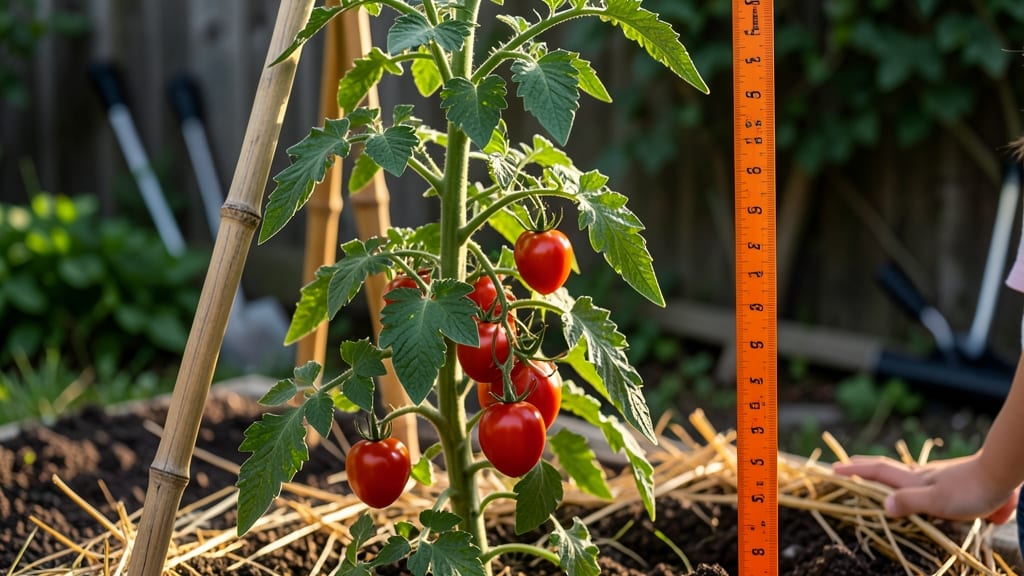
Wondering how tall a Roma tomato plant can grow before it’s heavy with those juicy, meaty fruits? The answer isn’t as straightforward as you might think—these plants can surprise you with their growth habits, whether you’re dealing with compact bushes or towering vines.
Most Roma tomato varieties fall into two main categories: determinate (bush types) that max out around 3 to 5 feet, and indeterminate (vining types) that can stretch 6 to 12 feet or more if left unchecked.
If you’re working with limited space, knowing which type you’re growing—and how to manage it—can make all the difference in your garden layout and harvest success.
In this guide, I’ll break down the height differences, explain why some plants need trellises while others don’t, and share practical tips to keep your Roma tomatoes thriving—whether you’re a beginner or a seasoned gardener. Let’s get your plants growing the right way.
From choosing the perfect variety for your space to learning when to prune for better airflow, you’ll discover how to maximize your harvest without sacrificing your garden’s aesthetics. Ready to grow taller, healthier Roma tomatoes? Let’s dive in.


Roma tomato plant height: compact varieties vs. standard vining types
When planning your garden, understanding Roma tomato plant height is crucial—these plants can range from compact bush varieties to towering indeterminate vines. The difference isn't just about aesthetics; it directly impacts your space planning, trellising needs, and even harvest efficiency.
Determinate (bush) types typically stay between 3–5 feet tall, making them ideal for containers or small gardens, while indeterminate vines can stretch 6–12+ feet if left unchecked.
Why does this matter? Determinate Roma tomatoes produce all their fruit at once, creating a single harvest bounty, while indeterminate varieties continue producing throughout the season.
Your choice between the two will depend on your garden layout, time commitment, and whether you prefer a concentrated harvest or a steady supply. Let’s break down the key differences so you can pick the perfect fit for your space.
| Variety Type | Average Height | Growth Habit | Trellis Requirement | Yield Characteristics |
|---|---|---|---|---|
| Determinate (Bush) | 3–5 feet | Compact, self-supporting | Low (optional cages) | Single harvest, high yield per plant |
| Indeterminate (Vining) | 6–12+ feet | Uncontrolled vertical growth | High (trellis or stakes) | Continuous harvest, moderate yield |
| Semi-Determinate | 4–6 feet | Balanced bush/vine hybrid | Moderate (light trellis) | Extended harvest, medium yield |
If you’re working with limited space, determinate Roma tomatoes are your best bet—they stay neat and tidy, often reaching just 3–4 feet tall. Varieties like 'Roma VF' or 'Roma Super' are bred for compact growth, making them perfect for container gardening or small raised beds.
These plants typically don’t need trellising support, though a small cage can help prevent sprawling if you’re growing them in windy areas.
On the other hand, indeterminate Roma tomatoes are the climbers of the tomato world. Without proper support, they’ll send out vines that can reach 10 feet or more, sprawling across fences or neighboring plants.
This isn’t just a space issue—it can also lead to poor air circulation, increasing the risk of disease and pest problems. For these varieties, a strong trellis or stake system is non-negotiable.
Think of it as a vertical garden: the taller the plant, the more efficient your space becomes.
Here’s a pro tip: if you’re growing indeterminate Roma tomatoes in a small garden, consider pruning techniques to control height. Pinching off the top growth when vines reach your desired height can encourage bushier growth and more fruit production at lower levels.
This method works especially well if you’re using a cage or stake system—it keeps the plant manageable while still allowing for continuous harvests.
The yield characteristics also differ significantly. Determinate varieties produce all their fruit at once, which is great if you’re canning or preserving—you’ll have a massive harvest in a short window. Indeterminate types, however, offer a steady supply of tomatoes throughout the growing season.
If you prefer fresh tomatoes for salads or sandwiches all summer long, an indeterminate variety might be your best choice.
Don’t overlook the soil and sunlight needs when planning for height. Roma tomatoes, regardless of variety, thrive in full sun (6–8+ hours daily) and well-draining soil. However, indeterminate vines may require additional nutrients to support their extensive growth.
A balanced 5-10-10 fertilizer applied every 4–6 weeks can help ensure your plants stay healthy and productive, whether they’re compact bushes or towering vines.
For container growers, stick to determinate or semi-determinate varieties. A 5-gallon pot can comfortably support a 3–4 foot tall Roma tomato plant, while larger containers (10+ gallons) can accommodate semi-determinate types.
If you’re growing in the ground, plan for 18–24 inches of space between determinate plants and 3–4 feet between indeterminate vines to allow for proper airflow and trellising.
Finally, consider your climate and growing season. In cooler regions, indeterminate varieties might not reach their full height potential, while determinate types can still produce a reliable harvest in a shorter season.
If you’re in a longer growing season with warm temperatures, indeterminate Roma tomatoes can truly shine, offering weeks of continuous production.
🌱
How to control Roma tomato height for small gardens
If your Roma tomatoes are reaching for the sky when you need them to stay compact, don’t worry—you’re not stuck with a jungle in your garden. Indeterminate Roma varieties can grow 6 to 12 feet tall if left unchecked, but with the right techniques, you can easily manage their height.
The key is combining pruning strategies, support systems, and growth-limiting methods tailored to your space.
For small gardens, the goal is to encourage bushier growth while keeping vines from sprawling. I’ve found that pruning the main stem and using cages or stakes can reduce height by 30-50% without sacrificing yield.
Let’s explore the most effective methods to keep your Roma tomatoes in check while maximizing your harvest.
- Topping method: Pinch off the main stem at 3-4 feet to encourage lateral branches
- Succession pruning: Remove side shoots below the first flower cluster
- Leaf pruning: Trim lower leaves to improve airflow and reduce disease
- Cages (5-6 ft): Best for determinate varieties, limits sprawl naturally
- Stakes (6+ ft): Ideal for indeterminate types, train vines upward
- Trellis (8+ ft): Vertical growth saves space, but requires regular tying
- Root restriction: Plant in smaller containers (15-20 gallons) to limit growth
- Harvest timing: Pick fruit early to reduce plant’s energy for vertical growth
- Nutrient balance: Reduce nitrogen, increase phosphorus for bushier plants
When choosing support systems, I recommend 5-foot cages for most Roma varieties—they provide enough structure without overwhelming small spaces. For indeterminate types, a 6-foot stake with soft ties works wonders, allowing you to control height while keeping the plant upright.
The key is to install supports early, as vines can become too heavy to manage once they’re mature.
Another trick I’ve used successfully is harvesting strategically. By picking fruit regularly, you signal the plant to focus on producing more lateral branches rather than climbing higher. This method works especially well for small-space gardens where vertical growth is limited.
Just be sure to harvest when the tomatoes are deep red and firm—this encourages continuous fruiting.
For those with truly limited space, consider container growing. Roma tomatoes thrive in 15-20 gallon pots, where their root systems can’t expand as freely. This natural root restriction often results in 30-40% shorter plants compared to in-ground varieties.
Just ensure your containers have drainage holes and use a balanced fertilizer to prevent leggy growth.
Remember, the goal isn’t to stunt your plants but to guide their growth in a way that works for your garden. With these techniques, you can enjoy healthy, productive Roma tomatoes without sacrificing your precious growing space. Happy gardening! 🌱