
Plants
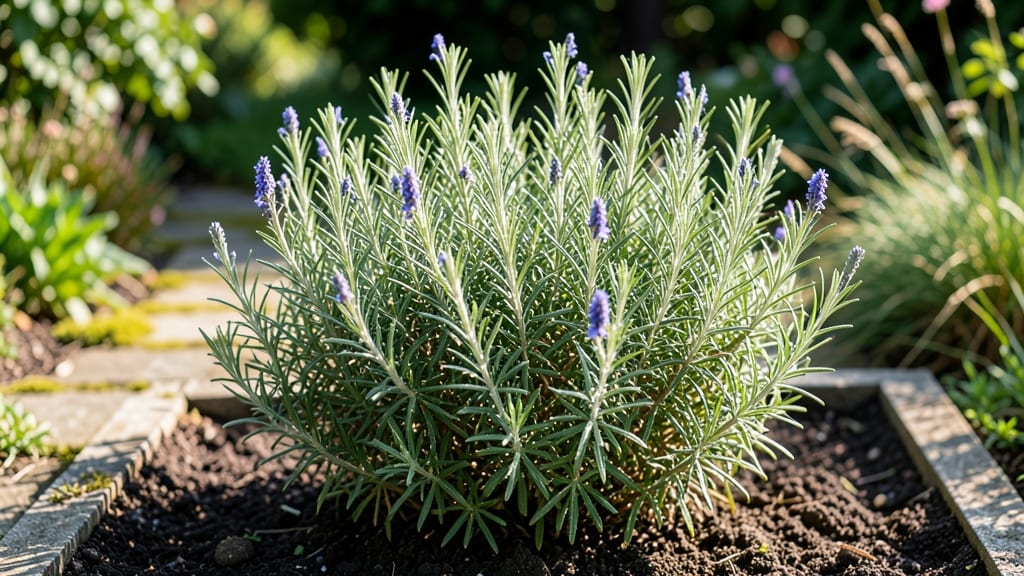
When you picture rosemary in your garden, does how tall does a rosemary plant grow look like a towering bush reaching for the sky or a neat, compact shrub perfect for pots?
The answer depends on the variety and how you care for it—because this versatile herb can grow anywhere from 1 foot to over 6 feet tall!
Most gardeners expect rosemary to stay in the 3–5 foot range, but some varieties—like the upright Rosemary 'Arp'—can stretch toward 6 feet if left unchecked. Meanwhile, dwarf types like 'Blue Spires' max out around 2 feet, making them ideal for containers or small spaces.
The key to controlling its height lies in pruning and sunlight exposure.
If you're growing rosemary for culinary use, you’ll want to keep it manageable—around 2–3 feet—so you can easily snip fresh sprigs. But if you love the look of a lush, woody shrub, letting it grow taller adds texture to your landscape.
Either way, understanding its growth habits helps you shape it to fit your space perfectly.
Ready to discover how sunlight, pruning, and even your climate affect rosemary’s height? Let’s break down the factors so you can grow the perfect-sized plant for your needs—whether that’s a kitchen windowsill or a garden border.


Rosemary plant height by variety: compact vs. tall options
Choosing the right rosemary variety can transform your garden from a crowded herb jungle to a perfectly proportioned fragrant display. The height differences between varieties are dramatic—some stay under 2 feet while others reach 6 feet—so selecting the right type depends entirely on your space and gardening goals.
For small spaces like patios or windowsills, compact varieties like 'Prostratus' or 'Blue Spires' are ideal. Meanwhile, tall varieties such as 'Arp' or 'Hill Hardy' thrive in garden beds where they can stretch their full potential.
Let’s explore the full range to help you pick the perfect fit for your garden.
🌿
If you’re growing rosemary in containers, dwarf varieties like 'Prostratus' or 'Blue Spires' are your best bet. Their compact growth makes them perfect for patio pots or hanging baskets, where they’ll spill over beautifully without overwhelming the space.
Just ensure your container has drainage holes—rosemary hates soggy roots!
For garden beds, taller varieties like 'Arp' or 'Hill Hardy' add vertical interest and can even serve as privacy screens when planted in rows.
These varieties thrive in well-draining soil and full sun, so they’ll reward you with lush, aromatic foliage that can reach 6 feet or more in ideal conditions.
🌱
One of the most common mistakes gardeners make is assuming all rosemary varieties grow the same way. 'Prostratus', for example, will sprawl if not pruned, while 'Hill Hardy' can become leggy in shady conditions.
To keep your rosemary at your desired height, prune regularly—cut back 1/3 of the plant in early spring to encourage bushier growth and prevent it from becoming too tall or woody.
For indoor growing, stick to dwarf varieties like 'Irene' or 'Blue Spires'. Place them near a south-facing window where they’ll get at least 6 hours of sunlight daily. Even indoors, these varieties rarely exceed 3 feet, making them ideal for kitchen windowsills or sunny office spaces.
🪴
If you’re planning a rosemary hedge, choose upright varieties like 'Arp' or 'Hill Hardy' and space them 2–3 feet apart. With consistent pruning every 6–8 weeks, you can shape them into a dense, fragrant barrier that also attracts pollinators like bees and butterflies.
Just remember: never prune more than 1/3 of the plant at once, or you risk stressing the rosemary.
For culinary use, the height of your rosemary matters less than its ar
How rosemary height changes through growth stages
Rosemary’s height transformation is one of its most fascinating growth patterns, evolving dramatically from a delicate seedling to a sturdy, woody shrub. When you first plant rosemary seeds or seedlings, they typically measure just 6–12 inches tall, with slender stems and soft, fuzzy leaves.
This early stage is all about establishing roots, so focus on keeping the soil moist but well-draining to avoid leggy growth.
By the end of its first growing season—around 6–8 months—your rosemary will likely reach 1–2 feet in height. This is when you’ll start noticing the plant’s natural growth habit: some varieties grow upright, while others spread wider.
Pruning lightly at this stage encourages bushier growth and prevents the plant from becoming too tall too quickly.
Here’s how rosemary’s height progresses through its growth stages, along with pruning tips to shape it to your needs:
- 🌱 Seedling Stage (0–6 months):
- Height: 6–12 inches
- Focus: Root establishment in well-draining soil
- Tip: Avoid overwatering to prevent root rot
- 🌿 First Year (6–12 months):
- Height: 1–2 feet
- Growth: Rapid vertical growth if unpruned
- Action: Prune 1/3 of new growth to encourage width
- 🌳 Mature Stage (Year 2+):
- Height: 3–6 feet (varies by variety)
- Structure: Woody stems with aromatic foliage
- Tip: Prune annually in early spring to control height
- ✂️ Seasonal Adjustments:
- Spring: Trim woody stems to promote new growth
- Summer: Light pruning to maintain shape and harvest sprigs
- Fall/Winter: Minimal pruning; let plant rest and harden
Seasonal changes also play a role in rosemary’s height. In spring and summer, when the plant is actively growing, you’ll see the most rapid height increase—especially if you’re growing a tall variety like 'Arp'.
During these months, regular pruning every 4–6 weeks helps maintain your desired height and prevents the plant from becoming too leggy.
By fall and winter, rosemary’s growth slows down, and its height may stabilize or even shrink slightly due to cooler temperatures. This is the perfect time to assess your plant’s structure and plan your early spring pruning.
If you’ve been harvesting sprigs regularly, your rosemary will likely stay compact and bushy, while neglected plants may grow taller and less dense.
Pro tip: If you’re growing rosemary in containers, choose a dwarf variety like 'Blue Spires' to keep it under 2 feet. For garden beds, tall varieties like 'Hill Hardy' can reach 5–6 feet if left unpruned—so plan your spacing accordingly!
Regular harvesting also encourages shorter, bushier growth, making it easier to manage.