
How To
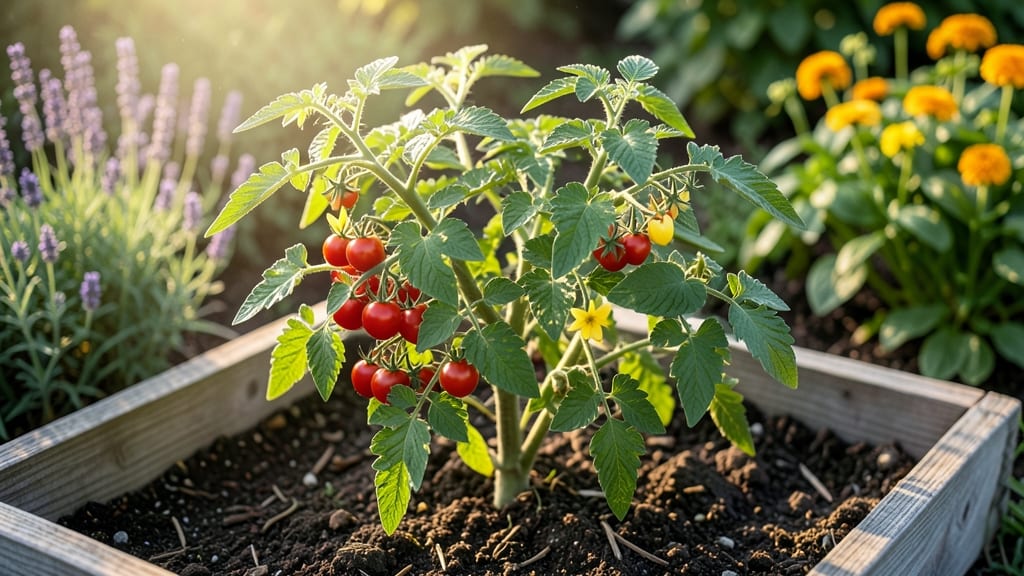
If you’ve ever wondered just how tall your cherry tomato plants 🍅 can grow, the answer might surprise you—especially if you’re working with limited space. These compact powerhouses come in a range of heights, from dwarf varieties that barely top 2 feet to sprawling types that reach skyward.
The key is understanding which size fits your garden (or balcony!) and how to guide their growth.
For gardeners in Zone 6a, where spring planting kicks off in April, choosing the right variety can mean the difference between a thriving vine and a tangled mess. Some cherry tomatoes stay neatly contained, while others need support to reach their full height—sometimes 6 feet or more!
The good news? With a few simple tricks, even the tallest varieties can be tamed for small spaces.
In this guide, I’ll break down the height ranges of popular cherry tomato types, from the tiniest patio-friendly plants to the more ambitious growers. You’ll also discover how to control their size naturally—whether through pruning, staking, or clever container setups.
Ready to grow more tomatoes in less space? Let’s dive in.
By the end, you’ll know exactly which varieties to pick for your setup, how to keep them from taking over, and when to expect those first sweet, juicy harvests. No more guessing—just easy, space-smart cherry tomato growing!


Cherry tomato plant height guide: compact varieties explained
If you're wondering how tall cherry tomato plants grow, the answer depends entirely on the variety you choose. Some stay under 2 feet while others reach 6 feet or more. The good news?
Compact varieties make these sweet treats perfect for balconies, containers, and small gardens. Let’s break down the height ranges so you can pick the perfect fit for your space.
Cherry tomatoes fall into three main growth categories: dwarf (1-3 ft), medium (3-4 ft), and indeterminate (4-6+ ft). Dwarf varieties are ideal for containers and vertical gardens, while medium types balance space efficiency with productivity.
Indeterminate varieties grow continuously but need support—think cages or trellises—to keep them contained. Your space and maintenance preferences will dictate which category suits you best.
📊 Comparison Table: Cherry Tomato Heights by Variety
| Variety | Height Range | Growth Habit | Best For |
|---|---|---|---|
| Tiny Tim | 1–2 ft | Dwarf (determinate) | Containers, hanging baskets, small plots |
| Balcony Red | 2–3 ft | Dwarf (determinate) | Balconies, window boxes, urban gardens |
| Sweet Million | 4–6 ft | Indeterminate | Trellises, cages, larger containers (with support) |
| Tumbling Tom | 1–2 ft (trailing) | Dwarf (trailing) | Hanging baskets, vertical planters, deck railings |
| Micro Tom | 1–1.5 ft | Dwarf (determinate) | Indoor growing, small pots, classrooms |
| Sun Gold | 5–7 ft | Indeterminate | Trellises, fences, large gardens (needs pruning) |
Dwarf varieties like Tiny Tim and Micro Tom are the space-saving superstars of cherry tomatoes. They’re perfect for balconies, windowsills, or even indoor growing under grow lights. These plants produce a heavy yield in a tiny footprint, making them ideal for beginners or those with limited room.
Just be sure to prune regularly to encourage bushier growth and better airflow.
Medium-height varieties, such as Balcony Red, strike a balance between productivity and manageability. They’re great for small garden plots or larger containers (at least 12 inches in diameter) and often produce fruit over a prolonged season.
These plants typically don’t require as much structural support as indeterminate types but benefit from a small cage or stake to keep them upright.
Indeterminate varieties like Sweet Million and Sun Gold are the high-yield champions, but they demand more attention. Without proper support systems, they can sprawl uncontrollably, reaching 6 feet or taller.
However, with trellises or sturdy cages, you can train them to grow vertically, saving space and making harvests easier. These varieties produce fruit continuously throughout the season, so patience and maintenance pay off big time.
For containers and vertical gardens, trailing varieties like Tumbling Tom are a game-changer. They spill over the edges of hanging baskets or wall planters, creating a lush, cascading display while staying compact.
These plants thrive in 5-gallon containers or larger and are perfect for adding vertical interest to small spaces. Just ensure they have enough nutrients and water to support their trailing habit.
If you’re growing in containers, choose a pot that’s at least 5 gallons for dwarf varieties and 10+ gallons for indeterminate types. Use a well-draining potting mix with added compost to keep roots healthy.
Place containers in a sunny spot (6+ hours of direct sunlight) and water deeply when the top inch of soil feels dry. Regular fertilizing with a balanced tomato feed will encourage robust growth and abundant fruit.
One common mistake is underestimating the need for support, especially with indeterminate varieties. Without cages, trellises, or stakes, these plants can become top-heavy and prone to breaking. Start supporting them early—even bamboo stakes or tomato cages work well—to guide their growth.
For vertical gardens, use wall-mounted trellises or espalier techniques to maximize upward space while keeping the plant contained.
No matter which variety you choose, pruning is key to controlling height and improving airflow. Pinch off suckers (side shoots) regularly to encourage a stronger main stem and more fruit production. For indeterminate types, prune lower leaves to
How to control cherry tomato plant height for small spaces
Controlling the height of your cherry tomato plants is all about understanding their natural growth habits and guiding them with simple techniques. Indeterminate varieties can reach 6 feet or taller if left unchecked, while dwarf types stay under 3 feet.
The key is using pruning, staking, and training methods to keep them within your space limits without sacrificing yield. For example, a Tumbling Tom variety might spill over a container, while Sweet 100 needs vertical support to thrive.
Before diving into techniques, it’s important to know that over-pruning can reduce fruit production, while under-support leads to sprawling vines that take over your garden. The goal is balance—encouraging upward growth for compact spaces while ensuring your plants stay healthy and productive.
Whether you’re working with a 5-gallon bucket or a raised bed, these methods will help you maximize vertical space efficiently.
Here’s a step-by-step guide to managing cherry tomato height naturally, whether you’re dealing with a dwarf variety or a towering indeterminate plant:
Choose the Right Support
Select cages, trellises, or espalier frames based on your plant’s growth habit. For indeterminate varieties, opt for tall trellises (6+ feet). Use 5-foot cages for semi-dwarf types like Sun Gold.
Prune Strategically
Remove suckers (shoots between stem and branches) to redirect energy to fruit production. Prune 1-2 suckers per week for indeterminate types, but avoid over-pruning determinate varieties like Tiny Tim.
Train Vines Upward
Gently tie vines to supports using soft plant ties or old fabric strips. For espalier training, spread branches horizontally along a trellis to create a flat, space-saving shape.
Use Containers Wisely
For dwarf varieties, plant in 5-10 gallon containers with tomato cages. For taller types, choose deep pots (12+ inches) and stake early to prevent toppling.
Avoid Common Mistakes
Don’t overcrowd plants (keep 18-24 inches between stems) or prune too late in the season, which can reduce harvests. Also, avoid watering leaves to prevent fungal diseases.
One of the biggest mistakes I see is assuming all cherry tomatoes need the same support. For instance, Tumbling Tom is designed to spill over containers, while Sweet Million grows vertically and needs a sturdy trellis.
Match your support to the variety’s growth habit to avoid wasted effort or stunted plants. If you’re growing in containers, ensure they’re large enough to support the plant’s mature size—5-gallon pots work for dwarfs, but taller varieties need 10+ gallons.
For indeterminate varieties, like Black Cherry, regular pruning is essential to keep them from becoming unmanageable. Aim to prune once a week during the growing season, focusing on removing suckers and any diseased or yellowing leaves.
This not only controls height but also improves air circulation, reducing the risk of blight and other issues. If you’re short on time, prioritize pruning during the early morning when plants are hydrated and less stressed.
With these techniques, you can easily fit cherry tomatoes into even the smallest spaces, whether it’s a balcony, patio, or tiny backyard. The key is consistency—prune regularly, provide the right support, and choose varieties that match your space.
Soon, you’ll be harvesting bountiful cherry tomatoes without sacrificing your garden’s layout! 🌱