
How To
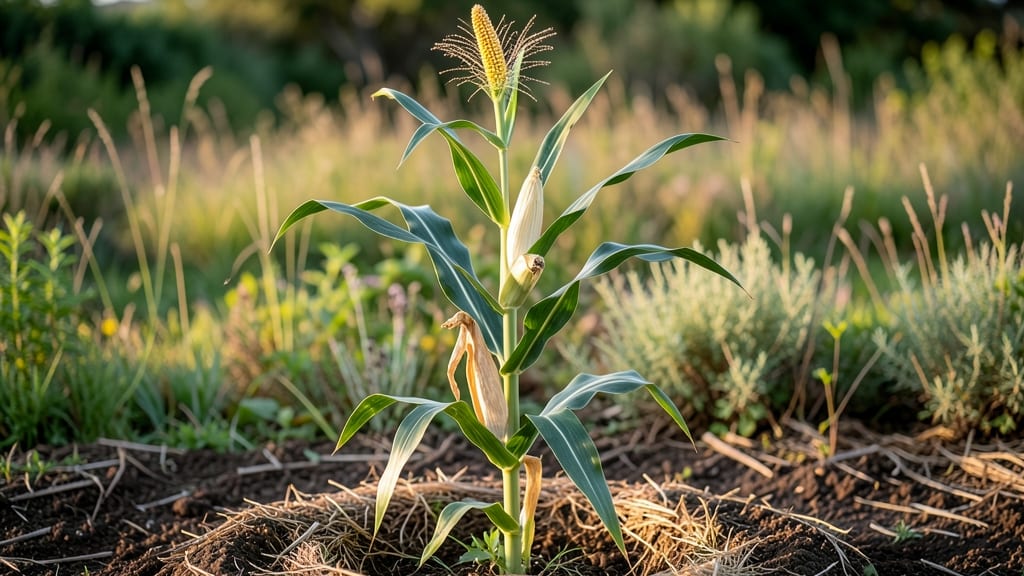
If you're planning your garden layout this spring, knowing how tall corn plants grow is the key to avoiding a crowded, tangled mess. That towering 🌽 you imagine isn't just for show—it dictates everything from spacing to sunlight needs, and getting it wrong could mean fewer ears at harvest time.
Most standard sweet corn varieties shoot up between 6 and 10 feet, with some field corn reaching even higher. But here's the game-changer: dwarf varieties stay between 3 and 5 feet, making them perfect for small gardens or containers.
Whether you're working with a backyard plot or a raised bed, understanding these differences will save you space—and frustration.
What you might not realize is that corn height directly impacts yield and pollination success. Taller stalks need more room to sway in the wind, while shorter ones can be packed closer together. I'll break down exactly how to match your corn variety to your garden's layout for maximum productivity.
Ready to plan like a pro? Let's dive into the height ranges, spacing secrets, and variety recommendations that will transform your corn patch from chaotic to spectacular this growing season.


Corn plant height by variety: dwarf to giant size comparison
When planning your corn patch, one of the first questions I ask myself is how tall will my corn plants grow? The answer varies dramatically—from compact dwarf varieties that fit in containers to towering giant corn reaching over 12 feet.
These differences impact everything from garden spacing to wind resistance and even pollination success. Let's break down the height spectrum so you can choose the perfect variety for your space and growing goals.
Most gardeners assume all corn plants grow to similar heights, but the reality is far more diverse. Sweet corn varieties can range from 3 feet to over 10 feet, while specialty corn like field corn or flint corn can exceed even those heights.
Understanding these differences helps me optimize my garden layout to maximize yield without overcrowding. Whether you're working with a small balcony garden or a large backyard plot, selecting the right height variety makes all the difference.
Here's where things get interesting: dwarf corn varieties are specifically bred for space efficiency, often reaching just 3-5 feet at maturity. These are perfect for container growing or raised beds where vertical space is limited.
On the opposite end, giant corn varieties like 'Mammoth Melting' can soar to 12+ feet, requiring ample space and often staking for support. The middle ground features standard sweet corn varieties that typically grow 6-10 feet, offering a balance between space efficiency and yield potential.
| Variety Type | Popular Cultivars | Mature Height Range | Garden Spacing | Sunlight Needs | Soil Depth Needed |
|---|---|---|---|---|---|
| Dwarf | 'Peaches and Cream', 'Golden Bantam', 'Temptation' | 3-5 ft | 12-18" apart | 6-8 hours | 6-12" |
| Semi-Dwarf | 'Silver Queen', 'Country Gentleman', 'Honey & Pearl' | 5-7 ft | 18-24" apart | 6-8 hours | 12-18" |
| Standard | 'Golden Cross Bantam', 'Kandy Korn', 'Ambrosia' | 7-10 ft | 24-36" apart | 8+ hours | 18-24" |
| Tall/Giant | 'Mammoth Melting', 'Country Gentleman', 'Luscious' | 10-12+ ft | 36-48" apart | 8-10 hours | 24+" |
The dwarf corn varieties like 'Golden Bantam' are my go-to for small-space gardening. These plants typically reach just 3-5 feet, making them ideal for 5-gallon containers or raised beds with limited depth.
Their compact size also means they require less garden spacing—just 12-18 inches between plants—which is perfect for urban gardeners. However, be aware that these smaller plants may produce fewer ears per stalk, so you'll need to plant more densely if yield is your priority.
Moving up the height spectrum, semi-dwarf varieties like 'Silver Queen' offer a happy medium. These plants grow to 5-7 feet, providing more yield per stalk while still fitting well in most home gardens.
The garden spacing increases slightly to 18-24 inches, which gives roots more room to establish without requiring excessive space. I've found these work beautifully in 4x8-foot raised beds, where you can fit 4-6 plants comfortably while maintaining good airflow to prevent fungal diseases.
For those with more space, standard sweet corn varieties like 'Golden Cross Bantam' become the preferred choice. These plants typically reach 7-10 feet, producing 2-3 ears per stalk with proper care.
The increased height requires 24-36 inches of spacing between plants to prevent shading and ensure good pollination success. In my experience, these
How corn height affects yield, pollination, and garden spacing
Corn height isn't just about aesthetics—it directly impacts your harvest's size, quality, and success rate. Taller varieties often produce more ears but need stronger wind resistance and pollination support.
Meanwhile, shorter types thrive in tight spaces but may yield fewer ears. Understanding these relationships helps you optimize your garden layout for maximum productivity.
Taller corn plants (over 8 feet) typically produce more ears per stalk, but their height can create challenges. Wind damage becomes a risk, and pollination may suffer if tassels can't easily reach silks.
Shorter varieties (5 feet or less) are ideal for small gardens or containers, but their yield per plant is usually lower. Balancing height with your garden's conditions ensures a successful harvest.
| Factor | Tall Varieties (8-12 ft) | Medium Varieties (5-8 ft) | Dwarf Varieties (3-5 ft) |
|---|---|---|---|
| Yield Potential | Highest (2+ ears/stalk) | Moderate (1-2 ears/stalk) | Lowest (1 ear/stalk) |
| Pollination Success | Moderate (wind-sensitive) | High (easy silk access) | Very High (contained) |
| Wind Resistance | Low (needs staking) | Moderate (self-supporting) | High (compact) |
| Garden Spacing (Plants) | 12-18 inches apart | 8-12 inches apart | 6-8 inches apart |
| Row Spacing | 36 inches | 24-30 inches | 18-24 inches |
For optimal pollination, taller corn varieties need careful planning. Plant rows in a square or diamond pattern to improve cross-pollination between plants. Medium-height varieties benefit from interplanting with beans or squash, which provides shade and support while encouraging pollinators.
Dwarf varieties are perfect for small gardens or containers, but ensure they receive full sun and consistent watering.
Spacing is critical for airflow and disease prevention. Tall corn needs 36-inch row spacing to prevent lodging (falling over), while dwarf varieties can thrive in 18-inch rows. Overcrowding reduces yield by limiting sunlight and air circulation.
I recommend planting 1-2 seeds per hill for standard varieties, thinning to the strongest stalk once they reach 6 inches tall.
Wind can devastate tall corn—especially in open fields. If your garden is exposed, consider windbreaks or trellises for varieties over 8 feet. For pollination, hand-pollinate if winds are strong by transferring tassel pollen to silks with a paintbrush.
Shorter varieties are more wind-resistant and ideal for urban gardens or high-wind areas.
To maximize yield, match your corn variety to your garden's space and conditions. Tall varieties reward patience with abundant ears but need careful spacing. Medium heights offer a balance, while dwarf types shine in tight spots.
Always prioritize full sun and fertile soil—regardless of height—to ensure healthy growth and a bountiful harvest.