
How To
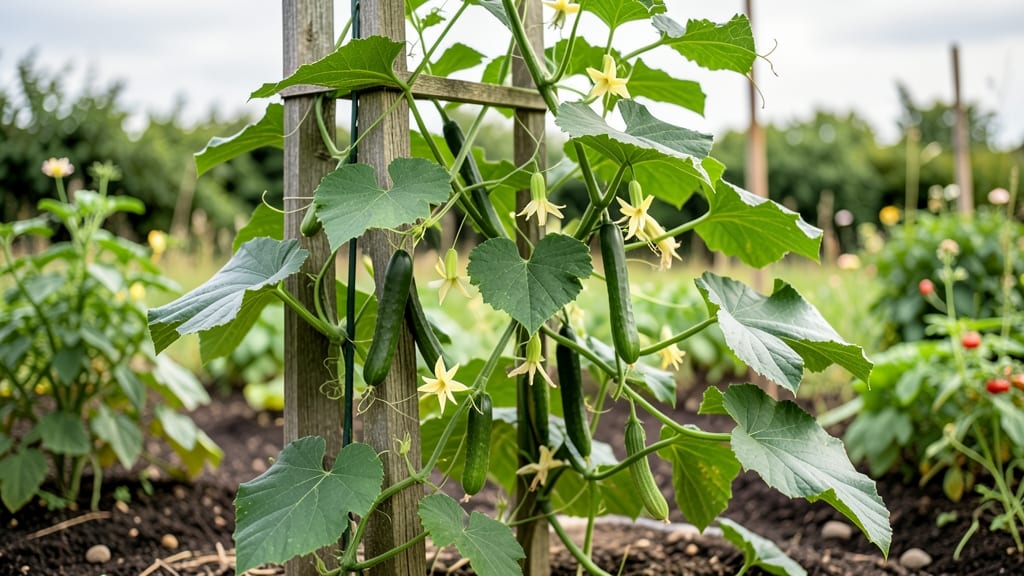
Wondering how tall a cucumber plant can grow before it needs a trellis? The answer depends entirely on the variety you choose—some stay neatly contained at just 3 feet, while others stretch dramatic 10-foot vines that need serious support.
This isn’t just about space planning; it’s about maximizing your harvest and keeping pests at bay.
If you’re working with limited garden space, bush varieties like 'Bush Champion' are your best bet, topping out around 3-4 feet without needing vertical help. But if you’re dreaming of long, productive vines, traditional types like 'Straight Eight' or 'Marketmore' can reach 6-10 feet when given the right conditions.
The key? Trellising isn’t just for aesthetics—it improves air circulation, reduces disease, and even sweetens the fruit.
Here’s the game-changer: most cucumbers don’t need to sprawl across your garden. With the right training, you can turn a 3-foot plant into a 10-foot vertical garden—saving space and making harvesting a breeze.
Whether you’re a small-space gardener or a backyard farmer, I’ll show you exactly how to control their growth and keep them thriving all season long.
Ready to transform your garden? Let’s break down the best varieties for your space, the tools you’ll need for trellising, and the simple tricks to keep your cucumbers productive—no matter how tall they grow.


Cucumber plant height by variety: compact vs. vining types
Choosing the right cucumber variety depends heavily on your garden space and layout. Some varieties stay compact, while others send out sprawling vines that can climb 10 feet or more if left unchecked. Understanding these differences helps you decide whether to dedicate vertical space or keep things horizontal.
For small gardens or containers, bush cucumbers are ideal, while larger spaces benefit from vining varieties that produce more fruit when trellised.
I’ve grown both types in my garden, and the difference in space management is night and day. Bush cucumbers thrive in tight spots, while vining types need room to stretch—or a sturdy trellis to guide their growth.
Let’s break down the height ranges and space needs for each type, so you can pick the perfect fit for your garden.
Key factors influencing height: Variety genetics, trellising, pruning, and sunlight exposure all play roles. For example, 'Straight Eight' cucumbers can reach 6-8 feet without support but stay more manageable with a trellis. Meanwhile, 'Bush Champion' tops out at just 2-3 feet, making it perfect for patios or small plots.
Here’s a quick comparison to visualize the differences at a glance:
| Variety Type | Height Range | Space Needs | Best For | Popular Varieties |
|---|---|---|---|---|
| Bush (Compact) | 1–3 ft | Small plots, containers, patios | Small gardens, urban gardening | 'Bush Champion', 'Spacemaster', 'Salad Bush' |
| Semi-Vining | 3–6 ft | Moderate space, trellises recommended | Balconies, raised beds, small yards | 'Straight Eight', 'Little Leaf', 'Sweet Success' |
| Vining (Sprawling) | 6–10+ ft | Large plots, trellises or fences | Traditional gardens, high-yield goals | 'Marketmore', 'Diva', 'Lemon Cucumber' |
Bush cucumbers are the space-savers of the cucumber world. Varieties like 'Bush Champion' grow in neat, compact mounds, rarely exceeding 3 feet in height. This makes them ideal for containers, hanging baskets, or tight garden corners.
I’ve successfully grown them in 5-gallon buckets on my patio, producing enough fruit for salads all summer.
Semi-vining types strike a balance, reaching 3-6 feet with the right support. These varieties, like 'Straight Eight', benefit from trellises but don’t sprawl uncontrollably. They’re perfect for raised beds or small yards where you want to save space without sacrificing yield.
Pruning side shoots can keep their height in check while encouraging upward growth.
Vining cucumbers are the heavy hitters of the garden, capable of climbing 10 feet or more if given the chance. Varieties like 'Marketmore' and 'Diva' thrive when trained vertically, producing longer vines and more fruit than bush types.
However, without support, they’ll spread across your garden like an unruly vine, competing with other plants for space and sunlight.
If you’re working with limited space, consider trellising even bush varieties. I’ve found that adding a small trellis to 'Bush Champion' plants encourages slightly taller growth (up to 4 feet) while keeping the plant’s footprint small.
This trick works especially well in container gardens where vertical space is underutilized.
For larger gardens, vining types offer higher yields and easier harvesting when grown vertically. A 6-foot trellis or fence can support varieties like 'Marketmore', keeping vines off the ground and improving air circulation to reduce disease.
Just be sure to prune regularly to prevent overgrowth and redirect energy into fruit production.
Pro tip: If you’re unsure which type to choose, start with a mix of both. Plant a few bush cucumbers in containers near your deck and a vining variety along a trellis in the garden. This way, you get the best of both worlds—compact convenience and high-yield vertical growth.
🌱
How to maximize vertical space for tall cucumber plants
Tall cucumber plants can reach 6-10 feet without proper support, but with the right techniques, you can train them to grow vertically while maximizing your harvest.
The key is choosing the right trellis materials and using smart pruning methods to control their height and direct energy into fruit production instead of sprawling vines.
Metal trellises are durable and rust-resistant, making them ideal for heavy fruit loads, while wooden stakes offer a more natural look and are easier to customize for smaller spaces.
I’ve found that composite materials (like bamboo or plastic-coated wire) strike a balance between affordability and longevity, especially for gardeners with limited budgets.
Before setting up your trellis, consider the weight distribution of your cucumber plants. Heavy varieties like 'Marketmore' or 'County Fair' need sturdy support—think T-posts or A-frame trellises—while lighter varieties can thrive on simple string trellises or netting.
The goal is to keep stems from sagging under the weight of fruit, which can lead to rot or breakage.
-
Step 1: Choose Your Trellis
- Metal: Best for heavy loads (e.g., T-posts)
- Wood: Natural look, needs annual sealing
- Bamboo/Composite: Budget-friendly, lightweight
-
Step 2: Train Vines Early
- Gently tie vines with soft twine at 12-inch intervals
- Use spiral ties to avoid damaging stems as they grow
-
Step 3: Prune for Control
- Remove side shoots below the first 5 leaves to encourage upward growth
- Pinch off flower buds on lower vines to redirect energy to fruit
-
Step 4: Support Heavy Fruit
- Use fruit nets or slings to prevent stems from snapping
- Harvest frequently to reduce weight on vines
Pruning is where many gardeners get creative—and where you can really control the height of your cucumbers. I recommend pruning side shoots regularly to keep the plant focused on vertical growth.
Start by removing any shoots that appear below the first 5-7 leaves; these won’t contribute much to fruit production and can divert energy away from your main vine.
For varieties prone to overgrowth, like 'Straight Eight', I’ve had success using the "topping" technique—pinching off the main vine’s tip once it reaches your desired height (usually 6-8 feet).
This encourages bushier growth at the top while keeping the plant from becoming unmanageable. Just be sure to leave a few leaves below the pinch point to support new shoots.
Finally, don’t underestimate the power of regular harvesting. Cucumbers grow quickly, and leaving fruit on the vine too long can weigh down your trellis and stress the plant.
Aim to pick fruits when they’re 6-8 inches long—this keeps the plant’s energy focused on producing more rather than supporting heavy loads. With these techniques, you’ll turn your sprawling cucumber vines into a space-saving vertical garden that’s both productive and easy to manage.