
How To
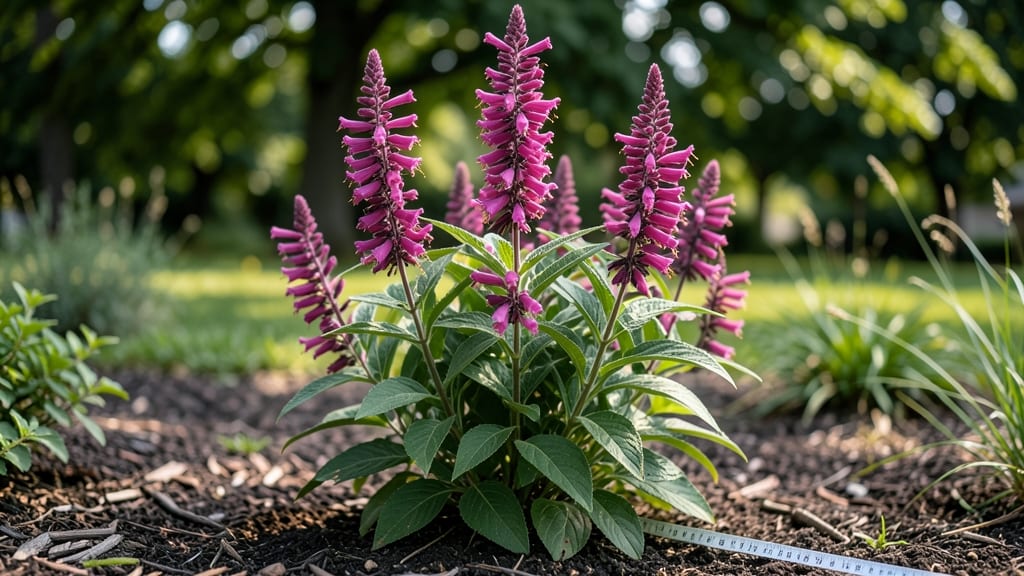
If you're planning your garden layout and wondering just how tall that obedient plant 🌿 will grow, the answer might surprise you—especially when comparing varieties like 'Little Obie' to 'Summer Snow'. Some stay compact enough for borders, while others reach nearly waist-high, creating stunning vertical interest.
This versatile shrub typically matures between 2 to 4 feet, but its final height depends on several factors, including the specific cultivar you choose and your local growing conditions.
Whether you're designing a pollinator-friendly border or a low-maintenance perennial bed, understanding these variations will help you make the perfect placement decisions.
What's even more interesting is how easily you can influence its growth with simple techniques. Pruning at the right time or spacing plants correctly can keep even the tallest varieties in check, giving you the best of both worlds—height and control.
Let me show you exactly how to achieve that balance in your own garden.
From compact options perfect for small spaces to towering varieties that make a statement, the obedient plant's height range offers something for every gardener. Ready to discover which size works best for your space? Let's dive into the details so you can plan with confidence.


Obedient plant height ranges by variety: from compact to towering
The obedient plant (Physostegia virginiana) is famous for its adaptable height, but the differences between varieties can be dramatic. Some stay under 2 feet, while others reach nearly 4 feet tall.
The variety you choose will determine whether it fits in a window box or becomes a back-of-border statement. Let’s break down the most popular cultivars and their mature sizes so you can plan your garden layout with precision.
Most obedient plants grow as clumping perennials with arching flower spikes, but their spread varies just as much as their height. Some varieties stay tight and neat, while others send out rhizomatous runners that can spread 2 to 3 feet wide.
Understanding these growth habits will help you space plants correctly and avoid overcrowding, which can stunt growth or lead to floppy stems.
Here’s what you need to know about the height ranges of the most commonly grown obedient plant varieties, including their mature sizes, growth habits, and ideal uses in the garden:
The Little Obie® and Little Spire® varieties are the shortest options, making them perfect for small gardens or container planting. Their compact stature (under 2 feet) ensures they won’t overwhelm other plants, while their upright growth habit keeps them tidy with minimal pruning.
If you’re working with limited space, these are the varieties to choose.
For a mid-height statement, Summer Snow and Vivid® strike the perfect balance. These varieties typically reach 2 to 3 feet tall, making them ideal for mid-border plantings or pollinator-friendly gardens.
Their arching flower spikes add movement and texture, while their moderate spread prevents them from becoming too invasive.
If you’re dreaming of a dramatic vertical element, Obsession® is the tallest obedient plant variety, often reaching 3 to 4 feet. This cultivar thrives in back-of-border positions or as a wildflower meadow focal point.
Its spreading habit means it may need more space, but its bold height makes it worth the room. For maximum impact, pair it with tall grasses or late-blooming perennials.
One key factor that influences height is light exposure. Obedient plants grown in full sun tend to reach their maximum height potential, while those in partial shade may stay slightly shorter but produce longer-lasting blooms.
If you’re in a shadier climate, don’t be surprised if your plants mature a few inches shorter than the listed
How to control obedient plant height: pruning and growth tips
Controlling the height of your obedient plant (Physostegia virginiana) is easier than you might think. With the right techniques, you can keep even the tallest varieties from overwhelming your garden space.
The key lies in understanding when and how much to prune, along with a few seasonal care tricks that encourage controlled growth patterns.
Most varieties naturally reach 3 to 4 feet at maturity, but their growth habit can be influenced significantly by pruning. For example, 'Little Obie' stays compact at just 18-24 inches, while 'Summer Snow' can stretch toward 4 feet.
The good news? You can adjust these heights with simple pruning strategies that work for all cultivars.
💡 Callout Tip: Pruning for Perfect Height
Best time to prune: Late winter or early spring before new growth begins. This encourages bushier growth and controls height naturally. For flowering varieties, a light trim after the first bloom can extend the season and maintain shape.
How much to trim: Never remove more than 1/3 of the plant's height in a single session. For tall varieties, aim to cut back 1/3 to 1/2 of the stems to encourage branching and prevent legginess.
Tools to use: Sharp, clean pruners for clean cuts. Disinfect tools with rubbing alcohol between cuts to prevent disease spread.
Start by pruning in late winter when the plant is still dormant. This is the ideal time to shape your obedient plant and remove any dead or weak stems.
Use sharp pruners to make clean cuts just above a leaf node or bud. This encourages new growth from the desired location, helping to control the plant's overall height.
For ongoing maintenance, consider a light pruning after the first flush of flowers. This practice not only keeps your plant at your preferred height but also promotes a second round of blooms in many varieties.
Just be sure to remove spent flowers regularly to prevent the plant from putting energy into seed production, which can lead to leggy growth.
Spacing plays a crucial role in height control too. When planting, give taller varieties like 'Summer Snow' at least 2 to 3 feet of space between plants. This allows for proper air circulation, reducing the risk of disease and encouraging stronger, more compact growth.
For compact varieties like 'Little Obie', 12-18 inches of spacing is usually sufficient.
Finally, don't overlook the importance of seasonal care. In early spring, apply a balanced fertilizer (10-10-10) to encourage healthy growth. However, avoid heavy feeding in late summer, as this can lead to soft, leggy growth that's more susceptible to damage from wind or heavy rains.
Mulching around the base of your plant helps retain moisture and regulate soil temperature, contributing to overall plant health and controlled growth.