
How To
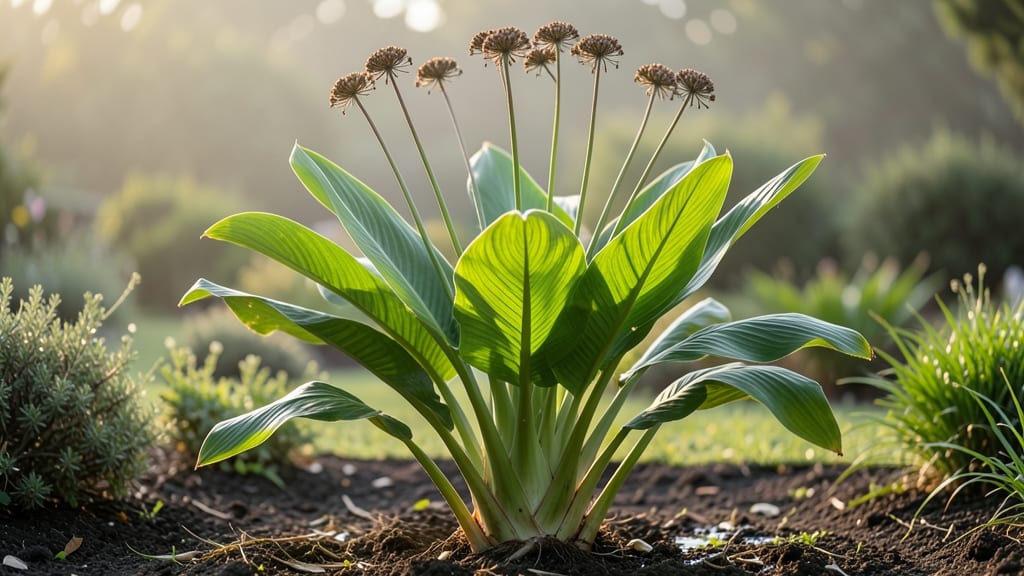
If you're dreaming of adding a dramatic, ancient Egyptian vibe to your pond or garden, the papyrus plant 🌿 could be your perfect match—but its fast growth means knowing how tall the papyrus plant grows is non-negotiable.
This striking wetland grass can shoot up to 15 feet in ideal conditions, turning a small container into a jungle faster than you can say "Cleopatra."
Before you commit, here's what you need to know: papyrus thrives in USDA Zone 6 and beyond, but its mature size depends on whether it's planted in open water, moist soil, or a container.
Without proper care, those towering stems can outgrow your space—and your patience—within just a few seasons. Let's break down how to keep it under control while still enjoying its fast growth and architectural beauty.
The key to managing papyrus height starts with sunlight and water—too much of either can send it skyrocketing. I'll show you exactly how to balance these factors, plus when and how to prune to keep it at your desired height.
Whether you're aiming for a 6-foot statement piece or a 15-foot centerpiece, these tips will help you avoid the "oops, it's too big" moment.
Ready to grow papyrus without the headaches? Let's dive into the science of controlling its height while maximizing its dramatic impact in your outdoor space.


Papyrus plant height limits: how tall can it really grow?
The papyrus plant (Cyperus papyrus) is a towering beauty that can reach heights most backyard gardens never consider—think 10–15 feet in ideal conditions. But don’t let those numbers scare you off!
With the right care, you can manage its growth to fit your space, whether that’s a small container or a natural wetland. Understanding its growth patterns helps you plan for its dramatic vertical expansion and avoid common pitfalls like overcrowding or soggy neighbors.
In its native habitat, papyrus thrives in shallow water or moist soil, where it can grow 3–15 feet tall depending on environmental factors. In containers, however, its growth can be restricted to 6–10 feet with proper root management.
The key is balancing its natural tendencies with your garden’s constraints—because once it starts growing, it doesn’t stop without intervention!
| Growth Stage | Height Range (Feet) | Time to Reach Size | Ideal Conditions |
|---|---|---|---|
| Year 1 (Seedling) | 2–3 ft | Spring to Fall | Full sun, moist soil |
| Year 2 (Established) | 6–8 ft | 1 growing season | Shallow water or boggy soil |
| Year 3+ (Mature) | 10–15 ft | 2–3 years | Warm climate, consistent moisture |
| Container-Grown | 6–10 ft | 1–2 years | Large pot, root pruning |
| Cold Climates | 3–6 ft | Slower growth | USDA Zones 6–11 |
Your papyrus plant’s height depends heavily on its growing conditions. In warm climates, like USDA Zones 8–11, it can hit its full 10–15 foot potential in just 2–3 years.
But in cooler zones (like Zone 6), expect slower growth, topping out at 3–6 feet unless you overwinter it indoors. The depth of water also plays a role—deeper water encourages taller growth, while shallower conditions may keep it shorter.
If you’re growing papyrus in a container, its height will naturally be limited to 6–10 feet, but you’ll need a large pot (at least 18 inches wide) to accommodate its spreading rhizomes.
Without enough space, the roots will become root-bound, stunting growth but also reducing its dramatic height. For best results, use a waterproof container with drainage holes and keep the soil consistently moist—never soggy.
Sunlight is another critical factor. Papyrus plants need 6+ hours of full sun daily to reach their maximum height. In partial shade, growth slows significantly, and the plant may only reach 4–6 feet. If you’re in a shady spot, consider supplementing with a grow light or choosing a smaller wetland plant like cattails instead.
One of the most common mistakes gardeners make is underestimating its spread. While height gets all the attention, papyrus plants also spread aggressively via rhizomes, creating dense clumps that can double in size each year.
To control this, prune back the outer growth in early spring or divide the plant every 2–3 years. This not only manages its height but also keeps it from outcompeting nearby plants.
For those in small spaces, consider the dwarf varieties like Cyperus papyrus ‘Nana,’ which maxes out at 3–5 feet. These are perfect for patio containers or small ponds and still deliver that iconic papyrus look without the towering height.
Just remember: even dwarf varieties need regular pruning to stay tidy and prevent overgrowth.
If you’re planning to plant papyrus near a pond or water feature, give it plenty of room—its mature height and spread can make it a dominant feature in your landscape. Pair it
Fast-growth care tips to maximize (or control) papyrus height
Want your papyrus plant to shoot up like a 15-foot Egyptian obelisk—or keep it compact in a container? The secret lies in sunlight exposure and water management. Papyrus thrives in full sun (6+ hours daily), where it can grow 3 feet per year under ideal conditions.
But too much shade slows growth by 50% or more, leaving you with a stunted, leggy plant.
For fast growth, pair full sun with consistent moisture. Papyrus roots need shallow water (1–2 inches deep) or moist soil—never soggy. In containers, use a well-draining mix with 50% peat moss to mimic its natural wetland habitat.
Overwatering in pots leads to root rot, which stunts height permanently.
Here’s how to accelerate or control growth with science-backed tweaks:
- 1. Sunlight: Place in full sun for 3x faster growth vs. partial shade. Use a south-facing spot for maximum height.
- 2. Water: Keep soil consistently moist but avoid standing water. In pots, water every 1–2 days to prevent drought stress.
- 3. Soil pH: Aim for 6.0–7.5. Test your soil—acidic soil (<5.0) slows growth by 40%.
- 4. Pruning: Trim brown or leggy stems in early spring to redirect energy to healthier growth. Never cut more than 1/3 of the plant at once.
- 5. Containers: Use root restriction (smaller pots) to limit height. Repot only when roots circle the bottom every 2 years.
If your papyrus is too tall for its space, prune selective stems in late summer to curb height. Avoid cutting the central crown—this kills the plant. For container papyrus, choose dwarf varieties like Cyperus papyrus ‘Nana’ (max 6 feet tall) if space is limited.
Common mistakes to avoid: Over-fertilizing with nitrogen (causes leafy but weak growth) or ignoring soil drainage (leads to root rot). Stick to a balanced 5-10-5 fertilizer every 6 weeks during spring and summer for steady, controlled growth.
With these tips, you’ll either watch your papyrus reach sky-high elegance or keep it neatly contained—no soggy surprises in sight! 🌿✂️