
How To
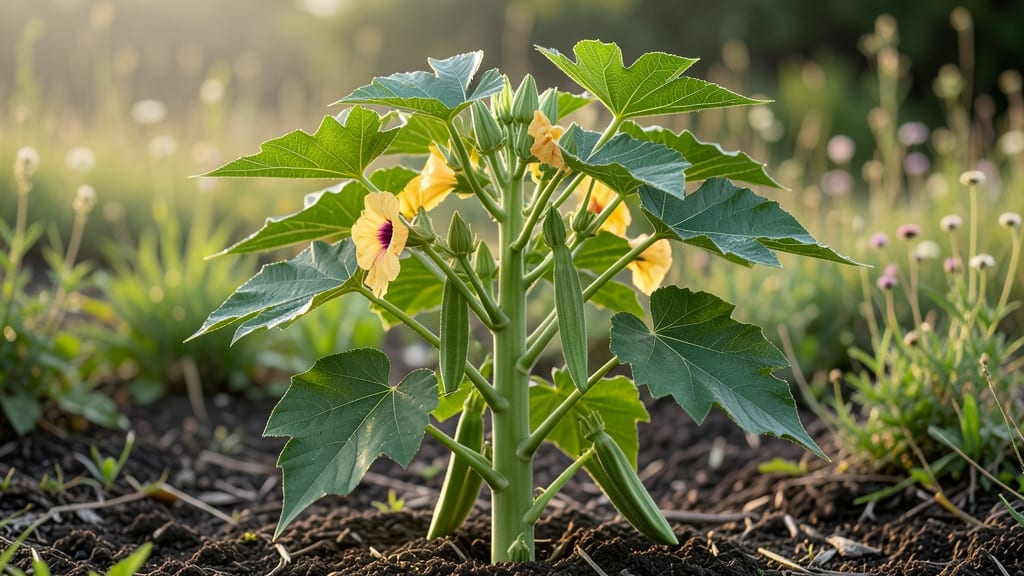
If you're wondering how tall your okra plants will grow, get ready for a surprise—these fast-growing greens can stretch from compact shrubs to towering giants, depending on the variety and care you provide.
Okra isn't just a vegetable; it's a vertical powerhouse that thrives in the right conditions, making it a favorite for gardeners with limited space or big ambitions.
Most okra varieties reach heights between 4 and 10 feet, with some dwarf types staying as short as 2 to 4 feet—perfect for containers or small gardens.
But if you're growing standard or giant varieties, you might need to plan for support, as they can easily outgrow your expectations. The key to managing their height lies in understanding their growth habits and giving them the right conditions.
In this guide, I’ll break down everything you need to know about okra plant height, from variety-specific growth ranges to tips for encouraging taller growth or keeping them compact.
Whether you're a beginner or a seasoned gardener, these insights will help you grow okra that’s both productive and manageable. Let’s dive in!
You’ll also discover how factors like sunlight, soil, and spacing play a role in determining how tall your okra will grow—and how to train your plants to reach their full potential. Ready to grow some homegrown okra that’s as impressive as it is delicious?


Okra plant height by variety: from compact to towering giants
If you're wondering how tall okra plants grow, the answer depends entirely on the variety you choose. Okra plants can range from compact bush varieties under 4 feet to towering giants reaching over 10 feet tall.
The right variety can transform your garden layout, from space-saving containers to dramatic vertical displays. Let’s explore the spectrum of okra heights so you can pick the perfect fit for your space and goals.
For gardeners with limited space, dwarf varieties like 'Burgundy' or 'Emerald' offer a manageable height of just 2-4 feet. These are ideal for containers, small gardens, or urban balconies.
On the other end, tall varieties such as 'Clemson Spineless' or 'Jinang' can soar to 8-10 feet, making them perfect for trellises or as striking focal points in larger gardens.
Even the growth rate varies—some varieties bolt upward in just 60-70 days, while others take longer to reach their full height.
Here’s a quick visual guide to help you compare popular okra varieties and their mature heights. Use this as your reference when selecting seeds or planning your garden layout:
When selecting a variety, consider your garden’s vertical space and your goals. Tall varieties like 'Clemson Spineless' are perfect for trellises, saving ground space while maximizing harvests. Meanwhile, shorter varieties like 'Burgundy' thrive in containers, making them ideal for patios or small urban plots.
Even the pod production can vary—taller plants often yield more pods but may require staking to prevent sprawling.
Did you know that okra’s growth rate is another key factor? Most varieties grow 1-2 feet per month under ideal conditions. For example, 'Jinang' can reach its 7-9 foot height in just 80-90 days, while dwarf varieties like 'Arkansas Little Light' mature in 50-60 days.
This rapid growth makes okra a fantastic choice for gardeners eager to see quick results. Plan your planting schedule accordingly to ensure you’re harvesting tender pods at their peak.
If you’re growing okra in containers, opt for dwarf varieties to avoid overcrowding. A 5-gallon pot can comfortably house a 3-4 foot plant like 'Emerald', while larger containers (10+ gallons) can support medium-height varieties like 'Blues'.
For in-ground planting, give taller varieties at least 2 feet of spacing to allow for their mature width, which can reach 3-4 feet even if the plant itself is vertical.
Pro tip: Pruning okra plants can influence height and productivity. Pinching back the tips of young plants encourages bushier growth, while allowing them to grow freely promotes taller stems. If you’re growing okra for long pods, avoid heavy pruning—let the plant focus its energy on vertical growth.
For shorter, bushier plants, prune regularly to redirect energy toward pod production rather than height.
One common misconception is that all okra varieties need full support. While tall varieties like 'Clemson Spineless' benefit from trellises or stakes, dwarf and semi-dwarf varieties often stand upright without additional support.
Always check the variety’s description to determine whether it’s self-supporting or requires structural support as it matures. This small detail can save you time and effort during the growing season.
For gardeners in warmer climates, taller okra varieties can thrive with minimal intervention, often reaching their full height without staking. In cooler regions, however, even tall varieties may benefit from early support to prevent flopping in wind or rain. Always monitor your plants
Factors that influence okra plant height: sunlight, soil, and spacing
If you’re growing okra, you’ve likely noticed how dramatically its height can vary—from compact 2-foot shrubs to towering 10-foot giants. The difference often comes down to three key factors: sunlight exposure, soil quality, and plant spacing.
Understanding these will help you steer your okra toward your desired height, whether you want a manageable bush or a lush vertical garden centerpiece.
Okra thrives in full sun, but even slight variations in sunlight can stunt growth or encourage rapid vertical expansion. Meanwhile, nutrient-rich soil and proper spacing prevent competition for resources, allowing plants to focus energy on reaching their genetic height potential.
Let’s break down how each factor plays a role in shaping your okra’s stature.
How Tall Okra Grows: Key Influences
- Sunlight: 6-8+ hours of direct sun daily = 6-10 ft plants. Less sun (4 hours) = 3-5 ft max.
- Soil pH: Ideal 6.0-6.8. Acidic (5.0) or alkaline (7.5+) soil stunts growth by 20-30%.
- Spacing: 18-24 inches apart = full height. Crowding (12 inches) reduces height by 30%.
- Watering: Deep watering 2-3x/week supports tall growth. Drought stress = shorter, bushier plants.
- Fertilizer: Balanced 10-10-10 NPK boosts height by 1-2 feet vs. no fertilizer.
Sunlight is the most critical factor for okra height. These plants are sun-worshippers, and even partial shade can limit their vertical growth. For example, my Clemson Spineless okra reached 8 feet in a sunny raised bed but only 4 feet when planted under a 50% shade cloth.
To maximize height, position okra in the sunniest spot of your garden, ideally facing south for maximum morning-to-afternoon light.
Soil quality directly impacts how well okra can access nutrients and water, both essential for vertical growth. Okra prefers well-draining, fertile soil with a pH between 6.0 and 6.8. Amend heavy clay or sandy soil with compost or aged manure to improve structure and nutrient retention.
I’ve seen okra in poor soil grow only 3 feet tall, while the same variety in enriched soil hit 9 feet. A simple soil test can reveal deficiencies—addressing them with phosphorus-rich fertilizer (like bone meal) encourages stronger stems and taller growth.
Proper spacing is often overlooked but crucial for height. Okra plants need 18-24 inches between them to avoid competing for sunlight, water, and nutrients. When I planted Emerald okra too closely (12 inches apart), the plants grew 30% shorter and produced fewer pods.
Give them room to stretch vertically, and consider trellising for varieties like Arkansas Traveler, which can climb 10 feet with support. Even dwarf varieties benefit from spacing—they’ll grow taller and healthier without overcrowding.
Watering techniques also play a subtle but important role. Okra is drought-tolerant once established, but deep, infrequent watering (1-2 inches per week) encourages taller growth. Shallow watering leads to bushier, shorter plants.
I’ve noticed that okra watered in the morning grows 1-2 feet taller than those watered at night, thanks to reduced fungal stress and better nutrient uptake. Mulch around the base to retain moisture and prevent soil compaction, which can restrict root growth and height.
Finally, don’t underestimate the role of variety selection. Some okra types, like Burgundy okra, naturally stay shorter (4-6 feet), while others like Perennial okra can exceed 10 feet with ideal conditions.
Pair the right variety with optimal sunlight, soil, and spacing, and you’ll unlock your okra’s full height potential—whether you’re aiming for a compact bush or a garden towering giant. 🌿