
How To
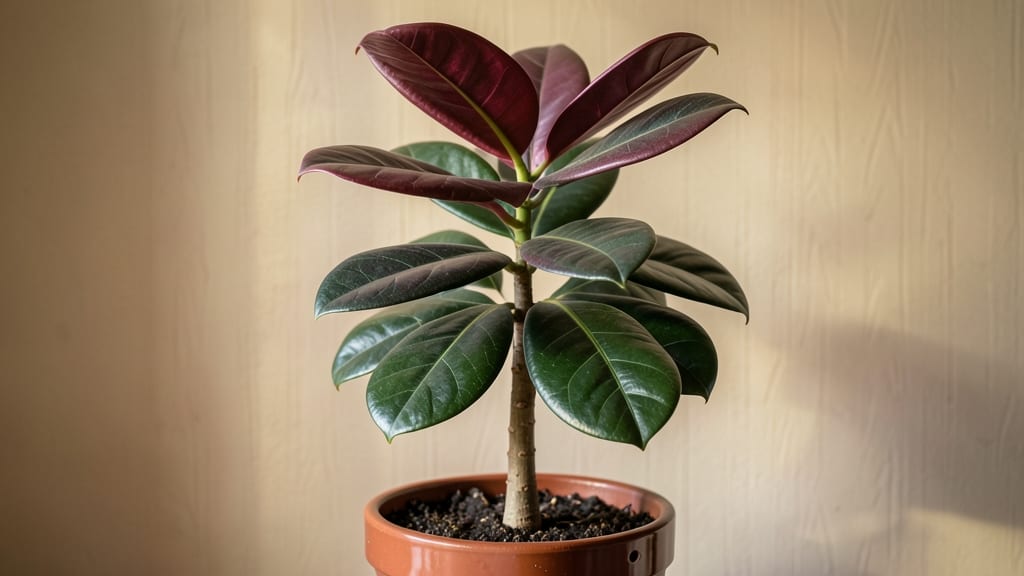
If you’ve ever wondered how tall a rubber plant can grow, you’re not alone. This striking houseplant can reach heights that might surprise you—sometimes even towering over your kitchen cabinets if left unchecked.
The key to controlling its growth lies in understanding its natural stages and how simple care tweaks can shape its size.
Whether you're dealing with a leggy seedling or a mature plant stretching toward the ceiling, I've got the insights to help you manage its height without sacrificing its stunning foliage.
From choosing the right variety to mastering pruning techniques, we'll cover everything you need to know. You'll discover how light exposure, pot size, and even your watering habits play a role in its vertical growth—plus space-saving hacks that work beautifully in apartments or small offices.
Let's dive into the science and practical tips that will transform your rubber plant from a potential space invader into a perfectly proportioned centerpiece. Your home—and your plant—will thank you!


Rubber plant height stages: from seedling to mature tree
The rubber plant (Ficus elastica) undergoes three distinct growth phases, each with unique height milestones and care needs. Understanding these stages helps you predict its development and adjust your care routine accordingly.
Whether you're starting with a tiny cutting or nurturing a towering indoor tree, knowing what to expect at each phase keeps your plant thriving.
In the seedling stage (0-1 year), your rubber plant will focus on establishing roots and leaves. This is when it’s most vulnerable but also most responsive to care adjustments.
With ideal conditions, you’ll see growth spurts of 6-12 inches per year, though many stay closer to 1-2 feet tall during their first year.
Here’s how environmental factors influence height during each phase:
The juvenile stage (1-3 years) is when your rubber plant really starts to stretch its legs. With proper care, it can grow 1-2 feet per year, reaching heights of 3-6 feet.
This is also when you’ll notice how light exposure dramatically affects growth—plants in bright, indirect light grow taller and fuller than those in dim corners.
Outdoor rubber plants in USDA Zone 10-11 can grow even faster, sometimes reaching 10 feet or more in ideal conditions. However, indoor plants typically max out at 6-8 feet due to limited light and space.
The key difference? Outdoor plants receive direct sunlight and have more room to spread their roots.
During the mature stage (3+ years), growth slows slightly, but your rubber plant can still add 6-12 inches annually. This is when regular pruning becomes essential to maintain shape and prevent it from becoming top-heavy.
Without pruning, mature rubber plants can easily exceed 10 feet tall, especially in large pots or outdoor settings.
Pot size plays a huge role in height control. A 12-inch pot will encourage faster vertical growth, while a smaller 6-inch pot can stunt height and promote bushier growth. If you’re growing your rubber plant indoors, consider upgrading pots every 2-3 years to accommodate root expansion without sacrificing height control.
Humidity also affects height—low humidity can cause leggy growth as the plant stretches toward moisture. Aim for 40-60% humidity by misting leaves or using a pebble tray. In dry climates, you might see slower vertical growth and smaller leaves as the plant conserves energy.
For indoor growers, placing your rubber plant near an east or west-facing window provides the perfect balance of light without scorching leaves. Avoid south-facing windows unless you provide sheer curtains to diffuse harsh rays, which can cause leaf burn and stunt growth.
If you’re wondering how to keep your rubber plant from becoming a ceiling monster, the answer lies in pruning and propagation. Regularly trimming the top growth encourages bushier habits and prevents excessive height. Plus, you can propagate cuttings to create new plants—it’s a win-win for space management!
How to control rubber plant height: pruning and growth hacks
If your rubber plant is shooting up like a skyrocket and threatening to touch your ceiling, don't panic—there are simple ways to manage its height. The secret lies in strategic pruning and a few growth hacks that encourage bushier, more compact growth.
I’ve learned through trial and error that timing and technique make all the difference when shaping your plant.
One of the first steps is understanding when to prune. The best time to trim your rubber plant is in spring or early summer, when it’s actively growing. This is when the plant can recover quickly and produce new growth from the cut points.
Avoid pruning in fall or winter, as the plant enters a dormant phase and won’t respond well to cuts.
Here’s a step-by-step guide to pruning and controlling your rubber plant’s height:
-
1 Choose the right tools: Use clean, sharp pruning shears or scissors to make precise cuts. Sterilize your tools with rubbing alcohol to prevent disease transmission.
-
2 Identify the cut point: Look for a leaf node, which is where leaves grow from the stem. Make your cut just above a node to encourage new growth from that spot.
-
3 Trim the top growth: Cut the main stem about 2-3 inches below the top leaf node. This encourages the plant to branch out from lower nodes, creating a fuller shape.
-
4 Propagate the cuttings: Place the trimmed top in water or moist soil to root. This way, you get a new plant while controlling the height of the original.
-
5 Encourage bushiness: After pruning, pinch off the tips of new growth to promote branching. This creates a denser, more compact plant over time.
Another effective way to control height is by using staking or training. If your rubber plant is top-heavy or leaning, insert a bamboo stake or trellis near the stem and gently tie it with soft plant ties.
This helps support the plant and directs its growth in a more controlled direction, preventing it from becoming too tall or lopsided.
If you’re dealing with a leggy rubber plant, it’s often a sign of insufficient light. Move your plant to a brighter spot, but avoid direct sunlight, which can scorch the leaves.
Additionally, rotating the pot every few weeks ensures even growth and prevents the plant from leaning toward the light source, which can make it appear taller than necessary.
For those with limited space, consider choosing a dwarf variety like ‘Black Prince’ or ‘Burgundy,’ which naturally stay shorter. These varieties are perfect for apartments or desks and still offer the stunning foliage you love.
With these tips, you can enjoy a well-proportioned rubber plant that fits beautifully in any space.