
Watering
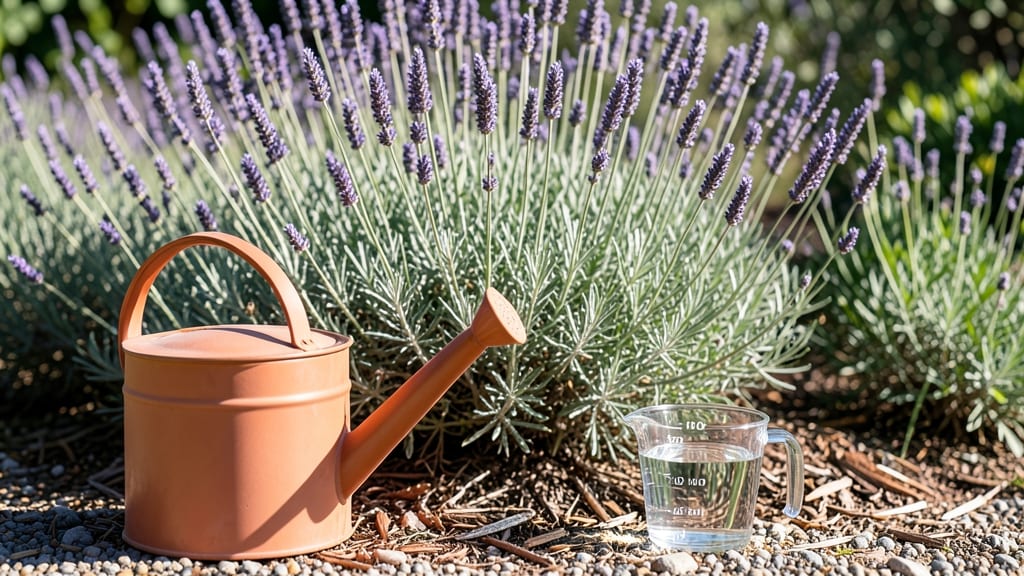
If your lavender plant how much water it needs is the question plaguing your green thumb, you’re not alone—most gardeners overdo it. Lavender thrives on neglect, not hydration, and drowning it is the fastest way to kill it.
The key isn’t how much you water but when and how you do it, and I’ll show you the exact routine that keeps your plant happy without the guesswork.
Lavender’s drought-resistant nature means it prefers bone-dry soil between waterings, but too little can stunt growth. The trick is giving it a deep soak only when the top inch of soil feels completely dry—usually every 7-10 days in spring and summer.
Overwatering is the silent killer, so let’s fix that together.
From adjusting for containers to seasonal shifts, I’ll walk you through a foolproof watering schedule tailored to your lavender’s needs. No more wilting stems or brown edges—just lush, fragrant plants that reward your effort. Ready to master the art of lavender care?
Whether you’re a beginner or a seasoned gardener, these tips will transform your approach. By the end, you’ll know exactly how much water your lavender craves—and how to give it just the right amount. Let’s get started.
How much water does a lavender plant really need?
If you’ve ever watched your lavender plant wilt despite regular watering, you’re not alone. Lavender thrives on underwatering, not overwatering—its roots need dry spells between drinks to stay healthy. The key is deep, infrequent watering rather than frequent shallow soaks.
I’ve learned this the hard way after losing two lavender bushes to soggy soil! The good news? Once you master this routine, your lavender will reward you with fragrant blooms and drought-resistant resilience.
Lavender’s native Mediterranean climate means it’s adapted to hot, dry conditions. In fact, overwatering is the #1 killer of lavender plants—it causes root rot, which turns leaves yellow and stems mushy. The goal is to mimic its natural habitat: well-draining soil and occasional deep hydration.
Think of it like giving your plant a long, refreshing drink once a week instead of a quick sip daily. This approach prevents fungal diseases and keeps roots strong.
| Condition | Specification | Action |
|---|---|---|
| Soil Moisture | Dry to the touch 2-3 inches down | Water deeply (1-2 inches) |
| Watering Frequency | Every 7-10 days (spring/fall) | Reduce to bi-weekly in summer |
| Container Plants | Dries out faster than in-ground | Water every 5-7 days |
| Signs of Overwatering | Yellow leaves, mushy stems | Stop watering; let soil dry |
| Signs of Underwatering | Drooping, crispy leaf edges | Water deeply and mulch |
Let’s talk soil—this is where most gardeners go wrong. Lavender hates wet feet, so well-draining soil is non-negotiable. If your garden soil is heavy clay, amend it with sand, gravel, or perlite to improve drainage.
I once planted lavender in my backyard’s dense clay soil, and within weeks, the roots suffocated. After adding a gravelly mix, the plant thrived! Test your soil’s drainage by filling a jar with soil and water—if water drains within 10 minutes, it’s safe for lavender.
Seasonal adjustments are crucial. In spring and fall, lavender needs weekly deep watering as it grows actively. But in summer, when temperatures soar, I reduce watering to every 10-14 days—the heat actually helps the plant conserve moisture.
Winter is the easiest season: water monthly unless you’re in a freezing climate, where you might skip watering entirely. Always check the top 2-3 inches of soil before watering; if it’s dry, it’s time. If it’s still damp, wait.
Here’s a pro tip: water in the morning. This gives foliage time to dry before evening, reducing fungal risks. I used to water at night, and my lavender developed powdery mildew—a nightmare to fix! Morning watering also mimics natural rainfall patterns.
Use a soaker hose or drip irrigation to deliver water directly to the root zone, avoiding wet leaves. Aim for 1-2 inches of water per session, but adjust based on your climate.
In arid regions, this might be enough for two weeks; in humid areas, you may need to water more frequently.
Watch your lavender’s leaves for clues. Healthy lavender has silvery-green foliage that’s firm to the touch. If leaves turn yellow or brown, it’s a cry for help—usually overwatering. But if they feel crispy or dry, it’s time to hydrate.
Another telltale sign? Drooping stems in the afternoon that perk up by morning mean your plant is thirsty. If they stay wilted, you’ve waited too long. The key is to strike a balance: enough water to keep roots happy, but not so much that they drown.
Mulching is a game-changer for lavender. Apply a 2-3 inch layer of gravel or straw mulch around the base (but keep it away from the stem to prevent rot). This helps retain moisture while improving drainage. I’ve seen lavender plants in mulched beds survive weeks without water in scorching summers.
Just avoid organic mulches like wood chips—they can compact and trap moisture, which lavender despises. Stick to inorganic options like pebbles or crushed stone for the best results.
One common mistake I see is watering lavender in containers differently than in-ground plants. Containers dry out faster, so check soil moisture daily in extreme heat.
I keep my potted lavender on a drip tray to monitor water drainage—if water pools at the bottom, it’s a sign to repot with better-draining mix. Use a fast-draining potting mix with added perlite or sand.
In containers, water every 5-7 days, but always ensure excess water drains away completely.
Remember, lavender is a low-maintenance plant once you get its watering routine right. My three-year-old lavender bush in the backyard now requires almost no attention—just an occasional deep drink and a trim after blooming. The secret? Less is more.
Over time, you’ll develop a feel for your plant’s needs. Start with the summary-table guidelines, adjust based on your climate, and soon your lavender will flourish with vibrant purple blooms and intoxicating fragrance. 🌿
Step-by-step lavender watering schedule for different climates
Lavender thrives on consistency and moderation when it comes to water. Unlike many plants, it’s drought-tolerant once established, but getting the balance right—especially in your local climate—can make the difference between a fragrant, bushy lavender and a sad, wilted one.
Whether you’re in a hot desert climate, a humid coastal area, or growing lavender in containers, the key is adapting your watering routine to match your environment. Let’s break it down by season and location so you can keep your lavender happy year-round.
First, check your soil before watering—stick your finger 1-2 inches deep. If it feels dry, it’s time to water. If it’s still moist, wait another day or two. Lavender hates soggy roots, so always prioritize deep, infrequent watering over shallow, frequent sessions.
For containers, this means watering more often but ensuring excess water drains completely. For in-ground plants, focus on soaking the root zone rather than surface-level moisture.
🌱 Seasonal Lavender Watering Guide
- 1 Spring (March-May): Water once a week for in-ground plants, every 5-7 days for containers. Soil warms up, encouraging root growth—deep watering every time.
- 2 Summer (June-August): Reduce to every 10-14 days for in-ground lavender, every 7 days for containers. Morning watering is critical to prevent fungal growth from evening moisture. In hot climates, mulch around the base to retain moisture.
- 3 Fall (September-November): Cut back to bi-weekly watering as temperatures drop. Focus on established plants—young lavender may still need weekly watering. Avoid wet foliage to prevent mildew.
- 4 Winter (December-February): Water monthly unless you’re in a freezing climate (then wait until spring). Lavender is dormant and stores water in its woody stems—never water frozen soil.
- 5 Containers (Year-Round): Water 2-3 days sooner than in-ground plants. Containers dry out faster, especially in sunny spots. Use terracotta pots for better drainage and add gravel at the bottom.
- 6 Humid Climates: Reduce frequency by 25% to prevent root rot. Water early in the morning to let foliage dry quickly. Avoid mulching heavily—lavender prefers well-aerated soil.
- 7 Dry Climates: Water deeply but less often—every 7-10 days even in summer. Use drip irrigation or soaker hoses to deliver water directly to the root zone without wetting leaves.
Pro tip: Group your lavender plants together in your garden to create a microclimate that retains moisture better. If you’re unsure whether your lavender needs water, lift a few stems—if they’re light and brittle, it’s time to water.
If they’re heavy and woody, hold off. This simple trick saves dozens of plants from overwatering every year!
Remember, lavender’s woody stems are its superpower—they store water like a natural reservoir. The more you underwater slightly, the stronger and hardier your plant becomes. Over time, you’ll develop an instinct for when your lavender is thirsty vs. just wilting from heat.
Start with this schedule, adjust based on your local weather, and soon you’ll have fragrant, thriving lavender that’s the envy of the neighborhood 🌿.