
Watering
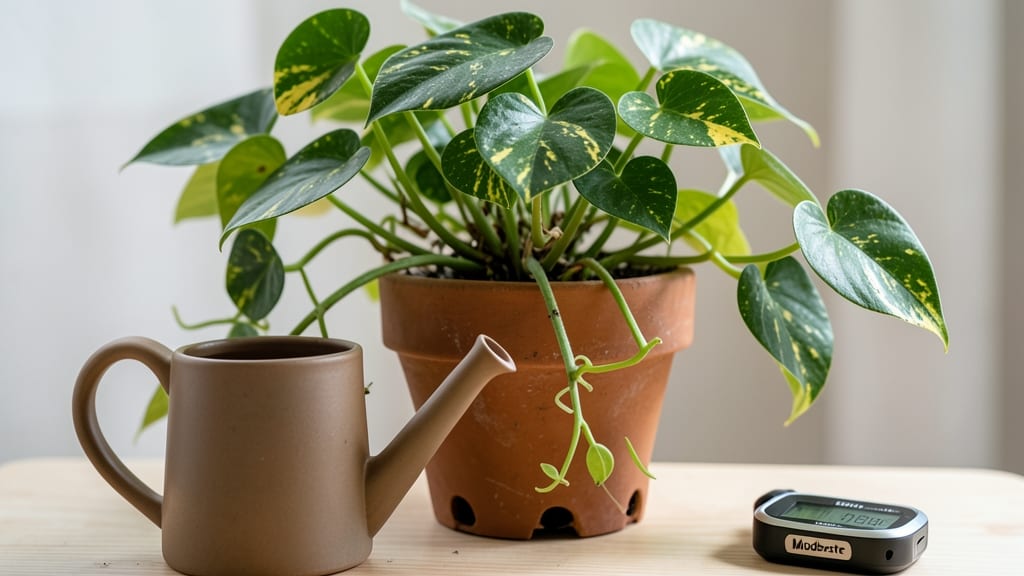
Figuring out how much water the pothos plant needs can feel like guessing—pour too much, and you risk root rot; too little, and those lush leaves start to wilt. The key isn’t just frequency but knowing when the soil feels just right: lightweight and slightly dry to the touch.
I’ve learned the hard way that Pothos plants thrive on a schedule that changes with seasons and your home’s humidity. Whether you’re a beginner or a plant parent who’s lost a few along the way, mastering this simple test will save your green friend from common watering mistakes.
In this guide, I’ll break down exactly how often to water your Pothos—from the 1-2 week rule to adjusting for dry air or bright windows—plus what to watch for when those leaves start talking to you. Let’s get your plant the perfect sip every time.
You’ll discover the subtle signs your Pothos is thirsty (or drowning) and how to fix it fast. No more guesswork—just happy, healthy vines that keep growing year-round, no matter where you live in Zone 6a or beyond.
How often to water pothos based on soil lightweight test
Mastering the soil lightweight test is the secret to keeping your pothos plant thriving without overwatering or underwatering. This simple method helps you determine when the soil has dried out enough to signal it's time for a drink.
Unlike rigid schedules, this approach adapts to your home's unique conditions—whether you live in a dry climate or a humid apartment. The key is learning to feel the difference between moist and dry soil, which takes just a few minutes to practice.
Pothos plants are famously drought-tolerant, but that doesn't mean they enjoy neglect. The ideal watering frequency for most pothos is every 1-2 weeks, but this can shift based on factors like pot size, humidity levels, and seasonal changes.
For example, during summer months, your pothos may need water every 7-10 days, while in winter, you might stretch it to every 3-4 weeks. The lightweight test ensures you're not guessing—you're responding to your plant's actual needs.
Here's how to perform the test correctly: stick your finger about 1-2 inches deep into the soil. If it feels dry and lightweight, it's time to water. If it's still cool and damp, wait a few more days.
This tactile method is more reliable than lifting the pot—heavy pots can be misleading because they might still contain moisture at the bottom while the top layer is dry. The lightweight test focuses on the root zone, where your pothos actually absorbs water.
- 1 Wait until the top 1-2 inches of soil feel dry to the touch. This is the root zone where your pothos drinks most of its water.
- 2 Use your finger (not a moisture meter) to check. Press gently—if the soil crumbles easily, it's time to water. If it sticks slightly, wait 2-3 more days.
- 3 Water thoroughly until liquid drains from the bottom of the pot. Empty the saucer afterward to prevent root rot, a common killer of pothos.
- 4 Adjust for humidity. In dry climates, water every 5-7 days. In humid environments, stretch it to every 10-14 days. A hygrometer helps track humidity levels.
- 5 Seasonal tweaks matter. In winter, reduce watering by 50% since growth slows. In summer, increase frequency if leaves feel crispy or droopy.
One common mistake is assuming larger pots need less water. Actually, bigger pots hold more soil, which stays moist longer. A 6-inch pot might need water every 10 days, while a 12-inch pot could go 2-3 weeks between waterings.
To adjust, use the same lightweight test—don't rely on pot size alone. Also, terracotta pots dry out faster than plastic, so terracotta pothos may need water 2-3 days earlier than their plastic-potted counterparts.
Pay attention to your pothos's growth patterns as another clue. Healthy pothos grows new leaves every 2-4 weeks and has vibrant green or variegated foliage. If growth stalls or leaves turn yellow, it’s often a sign of overwatering.
Conversely, brown, crispy tips usually mean underwatering or low humidity. The lightweight test helps you avoid both extremes by keeping the soil in the sweet spot—moist but not soggy.
For new pothos owners, I recommend testing the soil every 3-4 days for the first month to get a feel for your plant's rhythm. Keep a small notebook near your plant to track when you water and how the soil feels.
Over time, you'll notice patterns—like your pothos needing water every 7 days in summer but every 14 days in winter. This personalized approach beats following generic advice, ensuring your pothos stays lush and happy for years.
Pro tip: If you're unsure whether to water, wait one more day. Pothos plants are resilient and can bounce back from a few missed waterings, but they won’t recover from root rot caused by overwatering.
Always prioritize dry soil over damp soil when in doubt. With practice, the lightweight test becomes second nature, and you'll develop an almost intuitive sense of when your pothos is thirsty.
Remember, the goal isn't to water on a strict schedule but to respond to your plant's needs.
By mastering the lightweight test, you'll build a stronger connection with your pothos and create an environment where it can thrive—whether it's hanging in a bright bathroom or perched on a sunny windowsill. Your pothos will thank you with glossy leaves and vigorous growth for seasons to come.
Signs your pothos needs water (beyond the soil test)
Your Pothos plant might look tough, but even this resilient vine sends clear visual signals when its thirsty. While sticking your finger in the soil helps, some leaf conditions reveal watering issues before the roots suffer.
Learning these cues prevents both underwatering and overwatering, two common mistakes that stunt growth or invite pests.
For example, drooping leaves often mean your Pothos is begging for hydration, but brown crispy edges could signal either too much or too little water. The key is understanding how these symptoms differ—and how to fix them fast.
Let's decode your plant's secret language so you can keep those heart-shaped leaves vibrant year-round.
⚠️ PROS-CONS BOX: POTHOS WATERING SIGNALS
UNDERWATERING VS OVERWATERING SIGNS
UNDERWATERING
- 🌿 Drooping leaves (soft, wilted feel)
- 🌿 Dry, crispy leaf edges (brown and brittle)
- 🌿 Slow growth (new leaves sparse)
- 🌿 Soil pulls away from pot edges
FIX:
Water deeply until it drains from the bottom. Repeat every 7-10 days in summer.
OVERWATERING
- 🌿 Yellowing leaves (starting at base)
- 🌿 Brown, mushy spots on stems/leaves
- 🌿 Root rot smell (sour, damp odor)
- 🌿 Soil stays soggy for days after watering
FIX:
Let soil dry 2-3 inches deep before watering. Repot in well-draining mix if needed.
Let's tackle the most confusing symptom first: drooping leaves. While this often means thirst, it can also signal root-bound stress or low humidity. To test, gently squeeze a leaf—if it feels limp (not crisp), your Pothos needs water.
Place the pot in a shallow tray of water for 10 minutes to revive it, then return to its spot. Repeat this rescue method every 2-3 days until leaves perk up.
Those brown crispy edges? They’re your plant’s SOS for underwatering, but also a red flag for fluoride buildup if you’re using tap water. Try this: water your Pothos with filtered or distilled water for 2 weeks.
If new growth stays crisp, fluoride was the culprit. For existing damage, trim the brown edges with sterilized scissors and focus on keeping soil evenly moist (not soggy) moving forward.
Ever noticed yellow leaves on your Pothos? This is the classic overwatering sign, but it can also mean nutrient deficiency or poor drainage. Start by checking the roots—if they’re black or mushy, you’ve got root rot.
Repot your plant in fresh, chunky soil (add perlite or orchid bark) and trim away any mushy roots. Then, adjust your watering schedule to every 14-21 days in winter when growth slows.
One final clue: new leaves curling inward often means your Pothos is thirsty, but it can also indicate low humidity. Boost moisture by placing the pot on a pebble tray with water (ensure the pot isn’t sitting in water).
Grouping plants together also creates a microclimate that mimics their tropical habitat. With these adjustments, your Pothos should unfurl healthy, flat leaves within 2-3 weeks.