
Watering
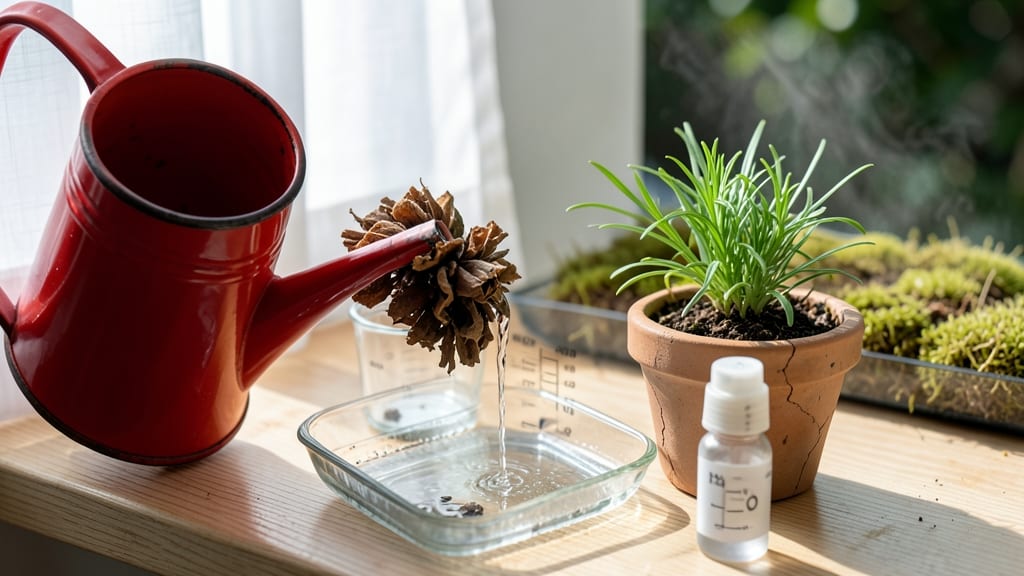
How much water does a resurrection plant really need?
The resurrection plant (Selaginella lepidophylla) thrives on neglect, making it one of the most drought-resistant plants for beginners and seasoned gardeners alike. Unlike most plants, it doesn’t just tolerate dry spells—it actively enters dormancy when water is scarce, curling into a brown, papery ball that looks lifeless.
But don’t be fooled: this miracle plant can revive in as little as 5-10 minutes with just a sip of water. The key is understanding its three distinct watering phases: dormancy, revival, and maintenance.
Most gardeners overcomplicate watering this succulent wonder, drowning it in well-intentioned but harmful hydration. The truth? Your resurrection plant will thrive with minimal water—often just once every 3-4 weeks during active growth.
The challenge lies in recognizing when it’s truly thirsty vs. dormant, and how to revive it without causing root rot or other damage. Let’s break down the science (and art) of watering this unbelievable desert survivor.
During the dormancy phase (which can last 0-3 months depending on conditions), your resurrection plant will curl into a tight ball and appear dead. This is normal behavior, not a sign of failure. In fact, forcing water on a dormant plant can drown its roots.
Only water when the soil is completely dry—stick your finger 1 inch deep; if it feels like sandpaper, it’s time to hydrate.
The revival phase is where this plant truly earns its name. When you finally water a dormant resurrection plant, it unfurls in minutes, transforming from a brown, brittle ball to a lush green carpet of tiny leaves.
For this magic to happen, use room-temperature water and either: - Submerge the entire plant in water for 5-10 minutes, or - Mist it heavily until soil is moist (avoid soggy conditions).
Pro tip: Place it in a humid environment (like a sealed container with pebbles and water) to speed up revival.
Once revived, enter the maintenance phase, where your resurrection plant needs consistent but light hydration. Water 1-2 times per week, always checking the top inch of soil first. Overwatering here is the #1 killer—this plant’s roots rot quickly in soggy soil.
If you notice yellowing leaves or a mushy base, immediately reduce watering and improve drainage by adding perlite or sand to the soil mix.
Signs of underwatering are subtle but critical to catch early. A revived plant that wilts quickly or develops dry, crispy edges needs more frequent hydration. On the flip side, overwatered plants will turn yellow or black, smell rotten, and feel slimy to the touch.
The fix? Let the soil dry out completely between waterings and consider repotting in a well-draining mix with 50% cactus soil and 50% perlite.
Seasonal adjustments are key to long-term success. In spring and fall, when growth is active, water every 5-7 days if the topsoil is dry. But during summer heat, reduce frequency to every 2-3 weeks—this plant loves dry spells and will thrive with minimal care.
In winter, most resurrection plants enter dormancy naturally, needing water only every 4-6 weeks.
For container growers, the pot size matters. A smaller pot (like a 4-inch diameter) dries out faster, so water every 3-4 days in hot weather. Larger pots can
Step-by-step guide to reviving a dried-out resurrection plant
Watching your resurrection plant shrivel into a crispy brown ball can feel like a gardening failure—but don’t give up! This drought-resistant wonder can bounce back with the right care. The key lies in rehydration techniques and understanding its unique moisture needs.
Whether you’re reviving a houseplant or a garden specimen, follow these steps to bring it back to life in just minutes.
Unlike most plants, resurrection plants thrive on dormancy, which means they can survive months without water. However, when you’re ready to revive it, the process is surprisingly simple. Start by checking the soil moisture—if it’s bone-dry, your plant is ready for a revival.
The goal is to rehydrate it gradually to avoid shock, whether you choose misting or submersion methods.
How to Revive Your Resurrection Plant
- 💧 Step 1: Prepare the Plant
Gently remove the resurrection plant from dry soil and place it in a shallow container. Avoid forcing the roots if they’re brittle. - 🌧️ Step 2: Choose Your Method
Misting: Lightly mist the plant for 5-10 minutes until it feels damp. Submersion: Place the container in 1 inch of water for 10-15 minutes. - 🌱 Step 3: Monitor the Revival
Watch as the plant unfurls within minutes! If it doesn’t respond after 30 minutes, try increasing humidity with a plastic bag or pebble tray. - ☀️ Step 4: Return to Light
Once revived, place it in bright, indirect light for 24 hours before reintroducing it to full sun. - 💧 Step 5: Adjust Watering
Water sparingly—every 2-4 weeks—and let the soil dry completely between waterings.
After reviving your resurrection plant, focus on post-revival care to keep it thriving. Avoid overwatering—these plants prefer dry conditions most of the year. Place it in a well-draining pot with a mix of cactus soil and perlite to prevent root rot.
If you notice yellowing leaves or mushy stems, reduce watering immediately and improve airflow.
One common mistake is assuming a failed revival means the plant is dead. If the roots are still firm, try the process again with higher humidity. For stubborn cases, trim any blackened roots and replant in fresh soil.
Remember, resurrection plants are hardy survivors, and with patience, they’ll bounce back—just like they’ve done for centuries in their native habitats.
Once your plant is fully revived, enjoy watching it transform from a brown, brittle ball into a vibrant green specimen. This process isn’t just a test of your gardening skills—it’s a fascinating science experiment you can share with kids or fellow plant lovers.
Keep a journal of your revival attempts to track what works best for your climate and humidity levels.
With the right approach, your resurrection plant will become a showstopper in your collection, proving that sometimes, the most dramatic transformations start with a little water—and a lot of patience. Happy reviving! 🌱