
How To
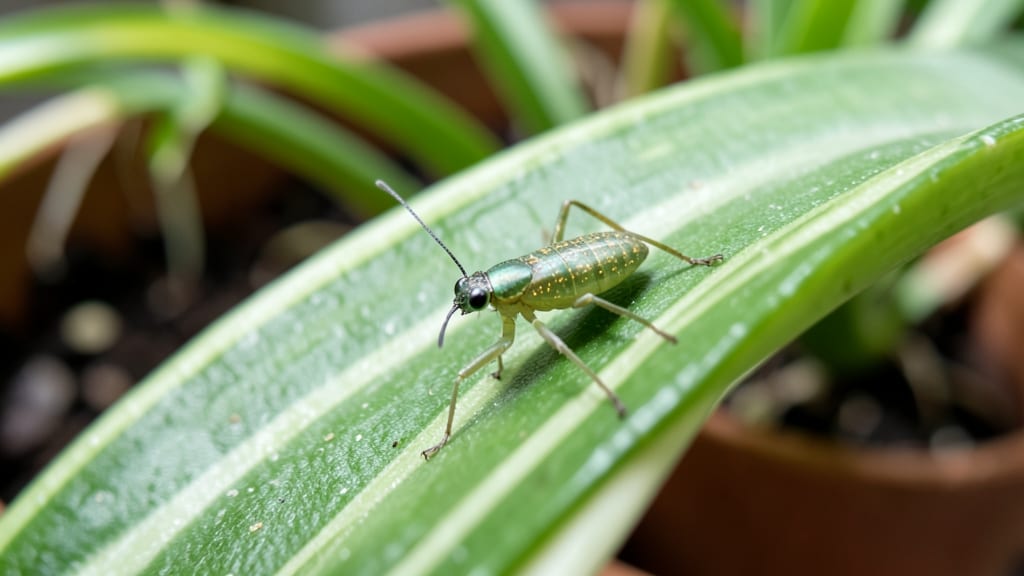
When your 🕷️ spider plant how much water it needs starts to cause crispy brown edges, you know something’s off—but is it thirsty or drowning? The truth is, these hardy plants don’t need much water, and getting it right makes all the difference between lush growth and sad, wilted leaves.
I’ve learned the hard way that spider plants thrive on a consistent but careful watering routine. Too much, and you’ll smother the roots; too little, and those pretty stripes turn dull.
The key is checking the soil first—stick your finger in an inch deep, and if it’s dry, it’s time to water.
Seasonal changes throw off even the best plant parents. In summer, your spider plant might need a drink every 5-7 days, while winter slows things down to every 2 weeks. I’ll break down the exact schedule so you never guess again.
Ready to keep your spider plant happy and growing? Let’s dive into the foolproof watering routine that’ll have those striped leaves reaching for the sky in no time.
Spider plant watering schedule: how often and how much
Your spider plant thrives on consistency, but its water needs shift dramatically between summer heat and winter dormancy. The key is keeping the top 1-2 inches of soil lightly moist—not soggy—while adjusting frequency based on your home’s humidity levels and pot size.
Overwatering is the #1 killer, but underwatering stunts growth too. Let’s break down the exact schedule to keep those arching green-and-white leaves happy year-round.
Seasonal changes affect how often you water. During spring and summer, your spider plant drinks more as it enters active growth, while fall and winter slow its metabolism, requiring less frequent watering.
Even the pot material matters—terracotta dries faster than ceramic, and larger pots hold moisture longer. Without proper adjustments, you’ll see brown tips or yellowing leaves, both clear signs of imbalance.
For small pots (4-6 inches), stick to the lower end of the water volume range—these dry out fastest. Larger containers (10+ inches) can hold moisture longer, so adjust accordingly. Always use room-temperature water to avoid shocking the roots.
If your spider plant’s soil feels damp beyond 2 inches, wait before watering again. This simple check prevents root rot, a silent killer of houseplants.
Humidity plays a huge role in watering needs. If your home is dry (common with central heating in winter), your spider plant will need water more frequently than the schedule above.
Place a humidity tray nearby or mist the leaves lightly—just avoid soaking the foliage, which can cause brown leaf tips. In humid climates, you might extend the time between waterings by 2-3 days.
Watch for leaf color changes as your guide. Bright green leaves with white stripes mean you’re nailing the watering balance. Dull green leaves signal underwatering, while yellowing or mushy stems mean you’re overdoing it.
Adjust your schedule based on these visual cues rather than sticking rigidly to the calendar. Spider plants are forgiving, but they’ll always show you when they’re thirsty or drowning.
Pro tip: Use your finger to test soil moisture. Insert it 1-2 inches deep—if it feels dry, it’s time to water. If it’s still damp, wait another day. This method is far more accurate than guessing.
Also, empty the saucer after watering to prevent the plant from sitting in standing water, which leads to root rot. Drainage holes aren’t just decorative—they’re essential for spider plant health.
In summer heat, consider placing your spider plant on a pebble tray filled with water. The tray creates a microclimate of humidity around the pot, mimicking its natural tropical habitat. Just ensure the pot isn’t sitting directly in water—this can still cause root issues.
For winter care, group your spider plant with other houseplants to boost humidity naturally. The collective transpiration from multiple plants creates a more stable environment.
If you’re unsure whether to water, err on the side of less. Spider plants store water in their leaves, so they can handle short dry spells better than soggy soil.
Always pair watering with a quick soil check—this habit will save your plant from both drought stress and overwatering damage. With this schedule and a little observation, your spider plant will reward you with vigorous growth and those iconic baby spiderettes dangling from its tips.
Remember, every home’s conditions are unique. Adjust these guidelines based on your light levels, pot type
Signs your spider plant needs water (or too much!)
Your spider plant (Chlorophytum comosum) thrives on a balance of moisture, but spotting the difference between underwatering and overwatering can be tricky. The key lies in its leaves and soil—both will tell you exactly what your plant needs.
Ignoring these signs often leads to brown tips or yellowing foliage, which can be easily reversed with the right care.
When your spider plant is thirsty, the first clue is dry soil. Stick your finger about an inch deep—if it feels bone-dry, it’s time to water. You’ll also notice the leaves starting to curl inward or develop a dull, grayish hue.
These are clear cries for hydration, but don’t drown your plant in response! Overwatering shows up as mushy roots or leaves that turn yellow with brown edges.
🌱 PROS-CONS-BOX: Watering Your Spider Plant
✅ UNDERWATERING SIGNS & FIXES
- Dry soil (1 inch deep)
- Curled leaves or grayish hue
- Slow growth or wilting
Fix: Water thoroughly until it drains from the pot’s bottom. Use room-temperature water to avoid shocking the roots.
❌ OVERWATERING SIGNS & FIXES
- Yellow leaves with brown edges
- Mushy roots or foul smell
- Wilting despite wet soil
Fix: Let soil dry out completely between waterings. Repot in well-draining soil and ensure the pot has drainage holes.
If your spider plant’s leaves are turning yellow with crispy brown tips, it’s often a sign of overwatering or fluoride buildup from tap water. Try flushing the soil with distilled or rainwater to remove excess salts.
For underwatered plants, a deep watering session followed by a humidity tray can revive them in just a few days.
Seasonal changes also affect watering needs. In summer months, your spider plant may need water every 5-7 days, while winter slows growth, reducing watering to every 2-3 weeks. Always check the soil before watering—this simple habit prevents both root rot and drought stress.
Pro tip: Group your spider plants together to create a microclimate with higher humidity. This mimics their natural habitat and reduces the need for frequent watering. Just avoid placing them near drafts or heating vents, as these can dry out the soil too quickly.
With these signs in mind, you’ll never guess wrong about your spider plant’s hydration needs. A little attention to its leaves and soil will keep it lush, green, and full of those iconic spiderettes! 🕷️