
Companion Plants
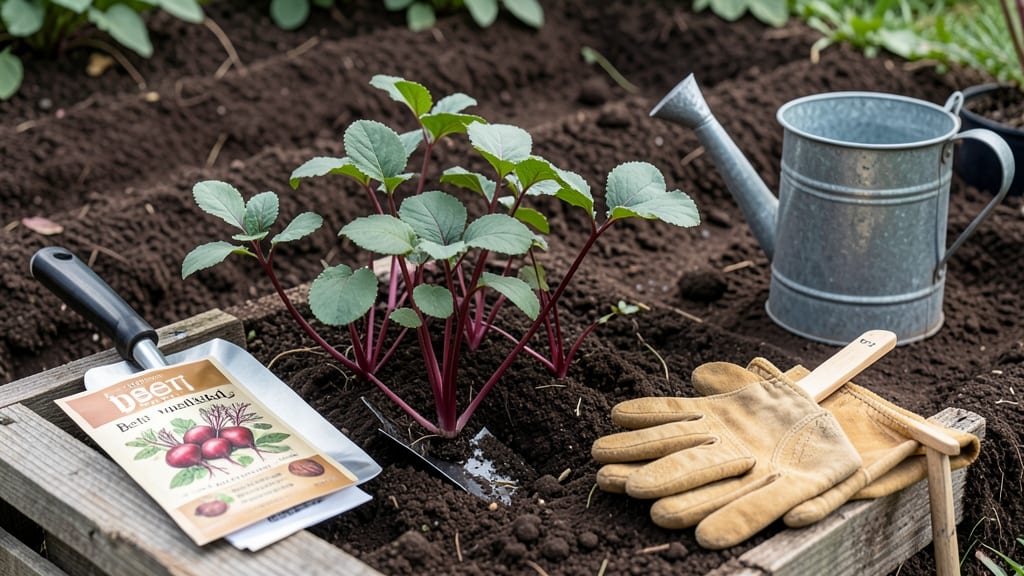
If you've ever planted beets in Zone 7 only to end up with tough, bitter roots, timing might be your biggest challenge. The perfect window for planting these earthy 🍠 gems isn't just about avoiding frost—it's about matching their growth cycle with your climate's unique rhythm.
In Zone 7, where last frosts typically arrive around March 15, you have two prime opportunities to sow beets: early spring (March-April) or late summer (July-August). This schedule ensures tender roots before summer heat triggers bolting, while still giving you a harvest before the first frost in November.
But here's the secret most gardeners miss: soil temperature matters just as much as calendar dates. Beets thrive when the ground reaches 50°F, which often means waiting until mid-April for spring plantings—even if the air feels warm.
I'll show you exactly how to time it right for sweet, juicy beets all season.
Whether you're aiming for June harvests or extending your garden into October, these planting windows will transform your beet game. Let's break down the exact weeks to plant, plus pro tips for succession planting that keeps your table stocked from spring to fall.
Best planting weeks for beets in Zone 7 (with frost date calculator)
Timing your beet plantings in Zone 7 is the secret to avoiding those tough, bitter roots we all dread. Beets thrive in cool weather, so planting too early risks frost damage, while late plantings can lead to bolting (going to seed) when summer heat arrives.
The ideal window gives you 60-70 days of growth before harvest—just enough time for sweet, tender roots.
Most of Zone 7 experiences its last spring frost around March 15 and first fall frost near November 15. However, exact dates vary by city—even within the same zone.
For example, Richmond, VA (Zone 7a) typically has its last frost on March 22, while Nashville, TN (Zone 7b) sees frost linger until March 30. These differences matter when choosing your planting schedule.
Here’s the golden rule for beets in Zone 7: Aim to plant 4-6 weeks before your last frost date for spring harvests, and 8-10 weeks before your first fall frost for autumn crops. This ensures your beets mature before extreme heat or cold sets in.
For succession planting, sow new seeds every 2-3 weeks in spring and every 3 weeks in fall. This strategy gives you a continuous harvest from late spring through early winter.
For example, if you plant your first batch in early April, follow up with seeds in mid-April, early May, and late May to keep roots coming.
If you’re unsure about your local frost dates, check the USDA Plant Hardiness Zone Map and use resources like the Almanac’s Frost Calculator. For instance, Raleigh, NC (Zone 7b) has an average last frost of March 25, while Lexington, KY (Zone 7a) sees frost until March 18.
Adjust your planting dates accordingly—even a 2-week difference can mean the difference between sweet roots and bitter ones.
Pro tip: Start seeds indoors 4-6 weeks before your last frost if you’re eager to get an early jump. Use biodegradable pots to transplant seedlings outdoors without disturbing their roots. Harden them off by placing them outside for 2-3 hours daily the week before transplanting.
Once your beets are in the ground, maintain consistent moisture—especially during dry spells. Beets need about 1 inch of water per week, but deeper waterings (every 5-7 days) encourage larger roots. Mulch with straw or grass clippings to lock in moisture and keep soil temperatures stable.
Remember, heat stress is the enemy of sweet beets. If your plants bolt (send up flower stalks) in summer, it’s a sign they’re struggling with heat. To avoid this, plant shade-tolerant varieties like Chioggia in late summer and provide 30-50% shade cloth during the hottest afternoons.
With the right timing, you’ll enjoy fresh, tender beets straight from your garden for 6+ months.
How to extend your beet harvest season in Zone 7 (avoiding bolting and heat stress)
Beets in Zone 7 can easily turn bitter or bolt if planted at the wrong time. The key to a 6+ month harvest is strategic succession planting and heat management. I’ve learned that even the hardiest varieties like Boltardy beets need protection when daytime temps hit 85°F+.
The solution? A mix of shade cloth, soil moisture tricks, and smart companion planting.
Summer’s intense heat triggers bolting—the process where beets send up flower stalks and become woody. This usually happens when soil temps exceed 80°F for more than a few days. My trick?
Start a second planting in late July (not August) when soil temps drop slightly. This gives you a second harvest window just as fall cools down, avoiding the worst heat stress.
Here’s how I extend my beet season without sacrificing sweetness:
One mistake I made early on was planting all my beets at once in spring. By the time July rolled around, the remaining plants had bolted, leaving me with nothing to harvest.
Now, I divide my 100 sqft plot into four sections: two for spring (March and April) and two for summer (July and August). This way, I always have fresh beets ready to pull.
For the late-summer plantings, I choose heat-tolerant varieties like Cylindra or Detroit Dark Red. These hold up better in the heat and still produce sweet roots.
I also avoid fertilizing during this time—too much nitrogen triggers leafy growth at the expense of root development, making beets more prone to bolting.
With these techniques, my beet harvest now spans from late May through October, giving me a steady supply of sweet, tender roots for salads, roasting, and pickling. The secret? Paying attention to soil temperature, shade, and planting timing—not just the calendar date. 🌱