
Lawn
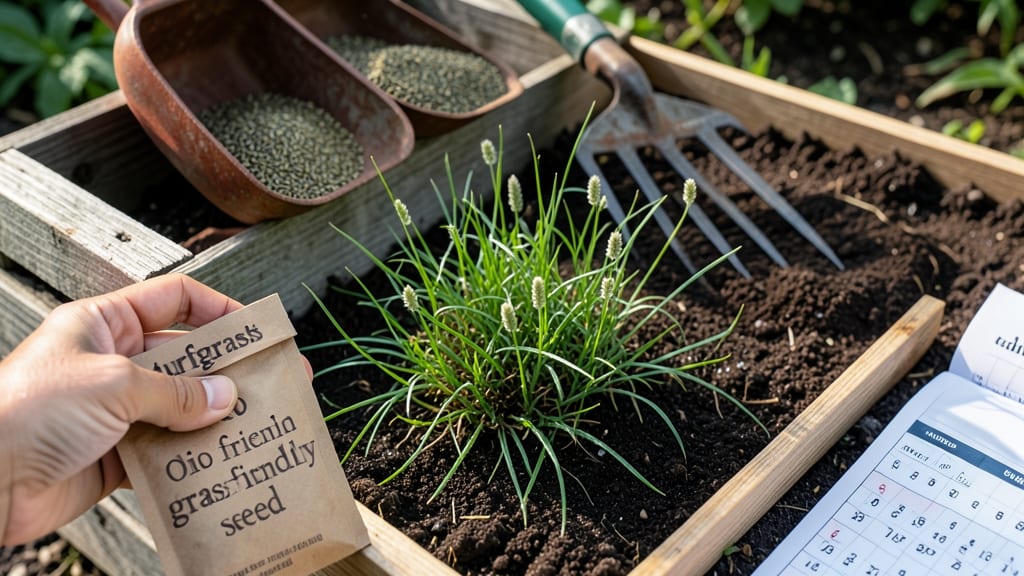
Planting grass seed in Ohio at the wrong time can mean the difference between a lush, green lawn and months of bare patches—especially when spring and fall weather plays tricks on you.
If you’ve ever wondered when to plant grass seed in Ohio, the answer isn’t just about the calendar—it’s about soil temperature, frost dates, and even which part of the state you’re in.
Ohio’s USDA Zone 6a gives you two prime windows: early spring (after the last frost) and early fall (before the first chill). But timing isn’t one-size-fits-all, especially when northern Ohio’s cooler microclimates lag behind southern Ohio’s warmer pockets.
In this guide, I’ll break down the exact deadlines for germination success, how to adjust for Ohio’s unpredictable weather, and which grass seed varieties thrive in your backyard.
Whether you’re prepping for March planting or waiting for September’s cooler days, you’ll learn the secrets to a lawn that stays green year after year.
No more guessing—just proven strategies to turn your Ohio soil into the perfect canvas for 🌱 grass that stands up to the Buckeye State’s challenges.
Ohio grass seed planting calendar: best months by USDA Zone 5-6 regions
Ohio’s USDA Zones 5-6 create two distinct planting seasons for grass seed: early spring and early fall. But timing isn’t just about months—it’s about soil temperatures between 50°F and 65°F, which is when seeds germinate most reliably.
In northern Ohio (Zone 5), you’ll need to wait longer than southern Ohio (Zone 6) for those ideal conditions.
According to Ohio State University Extension, the last frost date typically falls around April 15 in most of Ohio, but northern areas like Toledo and Cleveland can see frost as late as May 1.
Meanwhile, southern Ohio (like Columbus and Cincinnati) often warms up faster, giving gardeners a 2-3 week head start on planting.
For the best germination rates, aim to plant when soil temperatures at 4-inch depth consistently stay above 50°F. In spring, this usually means waiting until late April to early May, while fall planting should wrap up by mid-September to allow roots to establish before winter.
Here’s a quick reference for Ohio’s planting windows based on USDA Zones 5-6:
| Season | Ideal Planting Months | Soil Temp Threshold | Key Considerations |
|---|---|---|---|
| Spring | Late April - Early May | 50°F+ at 4" depth | Wait until last frost risk passes; water daily until germination (7-21 days). |
| Fall | Mid-September - Early October | 60°F+ during day, 50°F+ at night | Plant 6 weeks before first frost (typically Oct 15); cooler temps reduce weed competition. |
| Northern Ohio (Zone 5) | May 1 - May 15 (spring) / Sept 1 - Sept 15 (fall) | 50°F+ (spring) / 55°F+ (fall) | Later frost dates; consider cool-season grasses like Tall Fescue for resilience. |
| Southern Ohio (Zone 6) | April 15 - April 30 (spring) / Sept 15 - Oct 1 (fall) | 55°F+ (spring) / 60°F+ (fall) | Warmer microclimates; ideal for Kentucky Bluegrass mixes. |
If you’re in northern Ohio, don’t rush to plant in spring—waiting until May 1 or later reduces the risk of frost damage to tender seedlings.
In contrast, southern Ohio’s warmer climate allows for earlier spring planting (as early as mid-April) and a longer fall window (up to early October).
Pro tip: Use a soil thermometer to confirm temperatures before planting. If soil is below 50°F, seeds may rot instead of germinating. In my experience, fall planting often yields better results in Ohio because cooler temps reduce weed competition and water stress on new grass.
For shady lawns, prioritize Fine Fescue mixes, which germinate best in 55°F+ soil—a slightly warmer threshold than other grasses. Always test your soil’s pH (6.0-7.0 ideal) before planting, as Ohio’s clay-heavy soils often need lime or sulfur adjustments for optimal germination.
Remember: Overseeding in late fall (November) is another strategy for Ohio gardeners, especially in Zone 5 areas where winters are harsher. Just be prepared to water deeply if December brings dry spells—new grass needs consistent moisture to survive.
🌱
How to adjust planting dates for Ohio’s unpredictable weather patterns
Ohio’s weather can be as unpredictable as a toddler’s mood—one day it’s balmy, the next it’s a hard frost that turns your freshly planted grass seed into an ice cube.
If you’ve ever planted too early and watched your seeds freeze, or too late and let weeds take over, you’re not alone.
The key to success lies in flexible planting strategies that account for Ohio’s Zone 5-6 climate quirks, including late frosts, sudden droughts, and heavy rains that can wash away your hard work.
I’ve learned the hard way that sticking to a rigid calendar won’t cut it in Ohio. Instead, I rely on backup planting dates, soil moisture tests, and even seed coating techniques to give my grass a fighting chance.
Whether you’re in Toledo’s Zone 5 or Cincinnati’s Zone 6, these adjustments can mean the difference between a lush lawn and a brown patch.
Here’s how I adapt my planting schedule when Ohio’s weather throws me a curveball—and trust me, it will.
⚠️ callout warningFirst, I always have two backup planting dates in mind: one for spring and one for fall. For spring, if my primary window (late April-early May) gets derailed by frost, I switch to mid-May—just be prepared to water daily for the first 21 days to compensate for slower germination.
In fall, if September rains keep your soil too soggy, shift to early October but use a seed coating (like hydrogel crystals) to retain moisture during dry spells.
For drought-prone years, I turn to pre-germinated seed or pelletized grass seed, which germinates faster and holds moisture better. I’ve also had success with Tall Fescue mixes, which have deeper roots and tolerate dry spells once established.
Always check your soil moisture with a moisture meter—if it’s below 30%, hold off until rains return.
Heavy rains can be just as damaging as droughts, turning your seedbed into mud. If forecasted rainfall exceeds 1 inch in a 24-hour period, delay planting until the ground firms up.
I’ve found that working the soil 2-3 days after a downpour gives it time to dry out enough for seeds to make contact without sinking. For clay-heavy Ohio soils, I add compost or sand to improve drainage before planting.
Pro tip: If you’re overseeding in November, use a lightweight straw mulch to protect seeds from winter rains and freeze-thaw cycles. I’ve seen Fine Fescue emerge successfully in December with this extra protection—just remember to water every 5-7 days unless we get natural snow cover.
💧