
Companion Plants
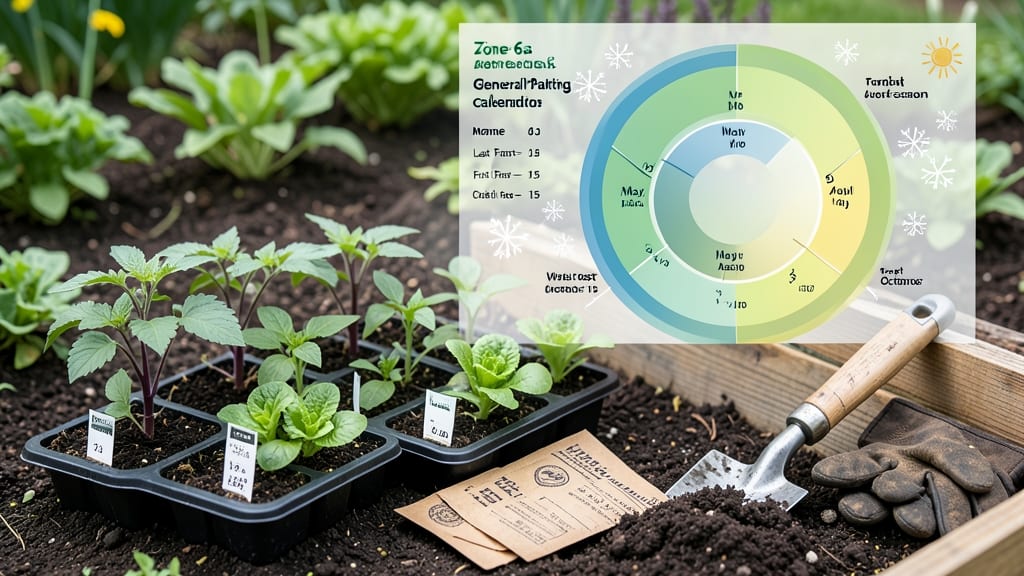
Planting in Zone 6A at the wrong time can turn your garden dreams into a sad pile of frozen seeds—so let’s get those dates right. The average last frost date typically falls around April 15th, but that’s just a starting point, not a rulebook.
Whether you’re dreaming of crisp lettuce or juicy tomatoes, timing is everything. Cool-season crops like spinach and peas can handle the chill, while warm-season favorites need to wait until the soil warms up. I’ll break down the exact windows so you don’t waste a single seed.
Zone 6A’s unpredictable spring weather makes planning tricky, but with the right strategy, you can beat the frost and extend your growing season. From soil temperature tricks to frost-proofing tips, here’s how to plant with confidence—no guesswork allowed.
Ready to turn your garden into a thriving oasis? Let’s dive into the perfect planting schedule for every plant type, so you can enjoy fresh harvests all season long.
Zone 6A planting calendar: exact dates for cool-season vegetables
Cool-season vegetables thrive in Zone 6A’s mild springs and autumns, but timing is everything. The average last frost date in Zone 6A is April 15, while the first frost typically arrives October 15.
Planting too early risks frost damage, while waiting too long may lead to bolting or poor yields. Let’s break down the optimal planting windows for your favorite cool-loving crops.
Soil temperature is just as critical as air temperature. Most cool-season crops prefer soil between 40°F and 70°F. Use a soil thermometer to confirm readiness—spinach and kale can handle cooler soils (35°F-40°F), while broccoli and cauliflower need warmer soils (50°F+).
Start seeds indoors 4-6 weeks before transplanting to avoid delays.
Here’s your Zone 6A cool-season planting calendar with exact dates, frost risks, and soil temperature thresholds:
| Crop | Planting Window | Soil Temp Threshold | Frost Risk | Notes |
|---|---|---|---|---|
| Spinach | March 15–April 15 August 15–September 15 |
35°F–40°F | High (late frosts) | Bolt-resistant varieties like 'Bloomsdale Long Standing' |
| Kale | March 1–April 30 July 15–September 1 |
40°F–50°F | Moderate (hardy to 20°F) | Sweetest after light frost; 'Winterbor' is cold-tolerant |
| Broccoli | March 15–April 15 July 1–July 15 |
50°F+ | High (transplant after last frost) | 'Calabrese' for heads; succession plant every 2 weeks |
| Peas | March 1–April 10 August 1–August 15 |
40°F–50°F | Low (hardy to 25°F) | 'Sugar Snap' or 'Snow Pea' for trellising |
| Lettuce | March 15–May 1 August 15–September 15 |
45°F–55°F | Moderate (bolt-resistant varieties) | 'Romaine' or 'Leaf' types for cut-and-come-again |
For direct-sown crops like spinach and peas, start seeds 2-3 weeks before your target transplant date. Use row covers to extend the season by 2-4 weeks in spring or fall. Monitor weather forecasts—unpredictable late frosts can still occur in Zone 6A as late as May 10.
Fall planting offers a second chance for cool-season crops. For a winter harvest, sow seeds by September 1 for crops like kale and spinach. These plants often sweeten after frost, making them ideal for late-season gardens.
Mulch heavily (4-6 inches) to insulate roots and protect against freeze-thaw cycles.
If your soil feels too cold in early spring, try black plastic mulch or straw bales to warm it faster. Test soil moisture weekly—cool-season crops need 1 inch of water per week, but avoid overwatering, which can lead to rot or fungal diseases.
Drip irrigation is ideal for consistent moisture without wetting foliage.
Pro tip: Use succession planting for fast growers like lettuce and radishes. Sow every 2 weeks from March to September to ensure a continuous harvest. This strategy maximizes your garden space and minimizes waste. For example, plant radishes every 10 days—they mature in just 2
Warm-season planting schedule for zone 6A: tomatoes, peppers, and more
Warm-season plants like tomatoes, peppers, and squash crave heat, but planting too early in Zone 6A risks frost damage. The average last frost date here is around April 15, but soil warmth matters more than air temperature.
I’ve learned that waiting for soil to hit 60°F (15°C) ensures strong root growth before transplanting.
Urban gardens often warm up faster than rural areas due to heat islands, so adjust your schedule accordingly. For example, city soil may be ready by mid-April, while country fields might need to wait until late May.
Always test soil temperature with a soil thermometer—it’s the most reliable method.
- Mid-April: Start indoor seeds for tomatoes, peppers, and eggplants (8-10 weeks before last frost).
- Late April: Harden off seedlings and prepare warm-season beds with compost.
- Mid-May: Transplant tomatoes and peppers after soil reaches 60°F+.
- Early June: Direct-sow beans, cucumbers, and squash once nights stay above 55°F.
- Late June: Plant late-season varieties like malabar spinach or okra for extended harvests.
My tomato plants thrive when transplanted after May 10, but I always use black plastic mulch to warm soil faster.
For peppers, which are extra sensitive, I wait until May 20—their roots need consistent warmth to avoid blossom-end rot. Basil is another heat lover; I plant it alongside tomatoes to deter pests.
Don’t forget about microclimates! South-facing beds warm up earlier than north-facing ones. If your garden sits in a low spot, frost lingers longer—consider raised beds or containers for better control.
I’ve had success with container gardening for peppers in cooler microclimates, moving pots to sunny spots during the day.
Extend your warm season by using row covers or cold frames for early starts. For example, I cover my tomato seedlings with floating row covers in early May to protect them from late frosts.
Once temperatures stabilize, I remove the covers to prevent overheating. This trick adds 2-3 extra weeks of planting time.
Monitor your local weather forecasts for heatwaves—some plants, like cucumbers, bolt (flower prematurely) if stressed by sudden heat. I’ve found that shade cloth over new seedlings during 90°F+ days keeps them from wilting. Plan your schedule with flexibility, and don’t rush—patience pays off with bigger yields.