
Companion Plants
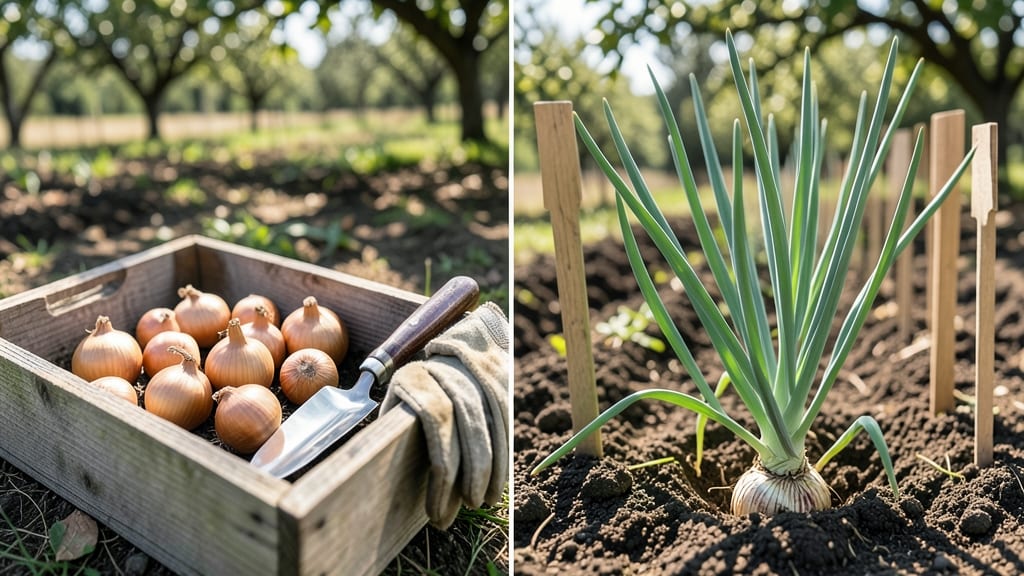
Timing your 🧅 onion planting in Zone 6 could mean the difference between a bumper crop and a disappointing harvest—especially when soil temperatures play such a critical role in germination.
Most gardeners in Zone 6 rush to plant onions as soon as the ground is workable, but that’s often too early. The key to fast, reliable growth lies in waiting until soil temperatures hit that sweet spot of 40-50°F, which typically aligns with late March or early April.
Whether you’re starting from seeds or transplants, getting this right saves you from the frustration of slow starts or stunted growth. I’ll walk you through exactly when to plant for maximum success—plus how to adjust for late frosts or unusually warm springs.
Ready to skip the guesswork? Let’s dive into the fastest way to grow onions in your Zone 6 garden, from soil prep to harvest-ready bulbs.
Best planting months for onions in Zone 6 based on soil temperature
Onions in Zone 6 thrive when planted at precise times tied to soil temperatures between 40-50°F. This range triggers germination, and missing it can delay growth by weeks—or worse, prevent harvests entirely.
Unlike heat-loving plants, onions prefer cooler soil, making early spring and late summer the sweet spots for success.
In Zone 6, your last frost date typically falls around April 15, but soil warms slower than air. That’s why planting 4-6 weeks before frost (mid-March to early April) aligns with soil hitting that critical 40-50°F window.
For fall onions, aim for late August to allow bulbs to mature before first frost (around October 15).
| Planting Window | Soil Temp for Germination | Zone 6 Months | Harvest Time |
|---|---|---|---|
| Early Spring | 40-50°F | March-April | June-July |
| Fall | 50-60°F | Late August | September-October |
| Transplants | 45-55°F | April-May | July-August |
Zone 6 spans diverse regions, from cooler Pacific Northwest areas to warmer Midwest zones. In western Zone 6 (e.g., Oregon), soils warm earlier—plant by mid-February. In eastern Zone 6 (e.g., Ohio), wait until late March to avoid frost damage.
Always check your local frost dates and adjust planting by 2-3 weeks if needed.
For spring onions, use sets or transplants (small bulbs) 4-6 weeks before your last frost. These jump-start growth, compensating for slower soil warming. Seeds take 10-14 days longer to germinate, so plant them 2 weeks earlier if using seed.
Fall onions? Stick to transplants in late August—they mature faster than seeds in the shortened season.
Soil temperature matters more than air temperature. Use a soil thermometer ($10 at garden centers) to confirm readiness. If soil is below 40°F, cover beds with black plastic mulch for 1-2 weeks to warm it.
This trick works wonders in cool springs or high-altitude Zone 6 areas where frost lingers.
Regional microclimates play a role too. Urban areas with concrete heat islands may see soil warm 5-7°F faster than rural spots. If your garden sits in a sunny, sheltered spot, plant 2 weeks earlier. Shady or low-lying areas? Delay planting by 1-2 weeks to avoid cold soil.
Don’t overlook fall onions—they’re a game-changer for Zone 6 gardeners. Plant mid-August for bulbs ready by October. Choose short-day varieties like Red Baron or Candy onions, which mature faster in cooler fall temps. Avoid long-day types like Yellow Granex; they bolt before bulbing.
Pro tip: Test your soil’s drainage before planting. Onions hate soggy roots. Amend heavy clay with compost or sand to improve drainage. A pH of 6.0-7.0 is ideal—test kits are cheap and save you from stunted growth later. Well-draining soil + 40-50°F temps = onion success.
Timing isn’t just about months—it’s about soil temperature. Miss the window, and you’ll face slow germination, pest pressure, or bolting (premature flowering). But nail it, and you’ll enjoy crisp, sweet onions all summer and fall. Grab your thermometer, mark your calendar, and let’s grow!
How to adjust your planting schedule for faster germination in Zone 6
Zone 6 gardeners know that onion germination can be finicky—especially when cool spring soils slow things down. The key to faster sprouting lies in adjusting your planting schedule with smart techniques like indoor pre-sprouting and soil warming.
These methods can shave weeks off your growing season, giving you an earlier harvest.
Even with the best timing, Zone 6's unpredictable frost dates can throw off your plans. That's why I recommend combining companion planting with strategic soil prep to create the perfect conditions. Let’s break down the actionable steps to ensure your onions pop up quickly and grow strong.
- 1
- 2
- 3
- 4
One of my biggest mistakes early on was planting onions too soon in Zone 6, only to watch them rot in cold, soggy soil. Now, I wait until the soil reaches 45°F consistently—usually mid-April in my area—and use row covers to protect young plants from late frosts.
This simple adjustment has doubled my germination success rate.
For fall planting, aim for late summer (August) when soil temps drop below 75°F. Onions prefer cooler weather, and this timing ensures they mature before winter sets in.
I’ve found that short-day varieties like Red Baron perform best in Zone 6’s shorter daylight hours, so I prioritize them for fall harvests.
Don’t forget to mulch heavily after planting to retain moisture and moderate soil temps. A 2-inch layer of straw or grass clippings keeps the soil warm enough for germination while preventing weeds. This low-maintenance trick has saved me countless hours of hand-watering and weeding.
By combining these techniques—indoor pre-sprouting, soil warming, and companion planting—you’ll give your onions the best possible start in Zone 6’s unpredictable climate. The result? Faster germination, healthier plants, and a more reliable harvest every year. 🌱