
Companion Plants
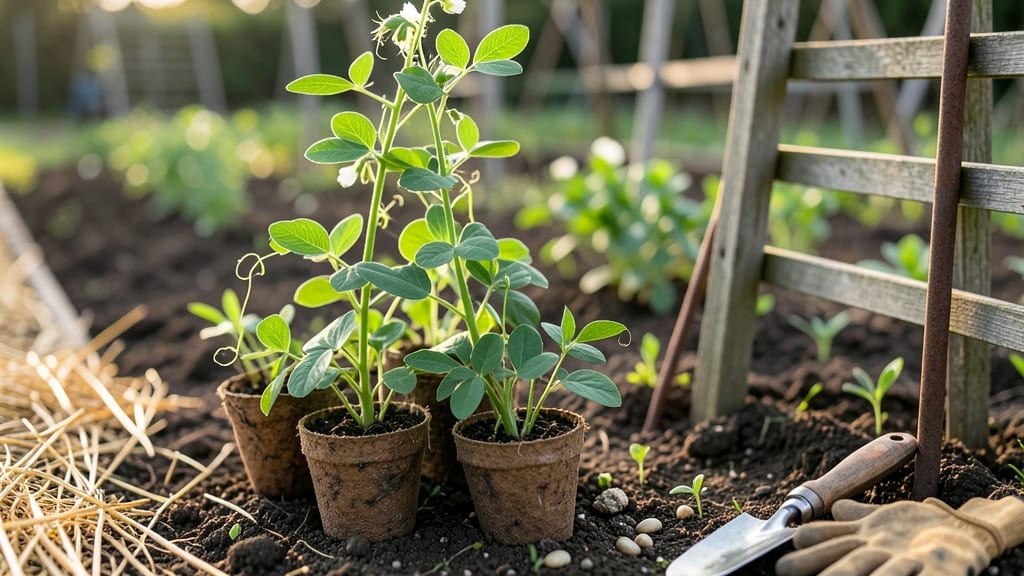
Planting peas in Zone 6 at the wrong time can mean soggy seeds or stunted growth—so getting the timing right is everything for a thriving harvest. The key is knowing exactly when to sow these cool-loving 🌱 peas to beat summer heat while avoiding frost damage.
With an average last frost around mid-April, you’ve got a narrow window to work with, but the payoff—sweet, fresh peas by June—makes it worth perfecting.
I’ve learned the hard way that rushing peas into cold, wet soil or waiting too long means missed opportunities. The ideal planting window in Zone 6 is 4-6 weeks before your last frost, typically between early March and mid-April.
This timing ensures your peas germinate quickly in 40-85°F soil and mature before summer’s relentless heat sets in.
But here’s the secret: you can also plant a second crop in late summer for a fall harvest. By sowing in August or early September, you’ll catch the sweet spot before the first frost in October.
The trick is choosing cold-hardy varieties like ‘Green Arrow’ or ‘Wando’—they’ll handle cooler temps like a pro.
Ready to grow your best pea crop yet? I’ll walk you through the exact steps, from soil prep to spacing, so you can enjoy a steady supply of fresh peas all season long. Let’s make this your most successful planting year yet!
Zone 6 pea planting timeline: exact weeks before last frost for best results
Timing your pea planting in Zone 6 depends on two critical factors: your last frost date and soil temperatures. Most Zone 6 gardeners experience their last frost around mid-April, but this can vary by 1-2 weeks depending on whether you're in the northern or southern half of the zone.
For reliable germination, peas need soil temperatures between 40-85°F, which is why early spring planting is ideal.
Peas are cool-season champions that thrive in temperatures below 75°F. If you plant them too early, cold, wet soil can cause seeds to rot. Planting too late means your peas will bolt (flower prematurely) or struggle in summer heat.
The 4-6 week window before last frost strikes the perfect balance—giving your peas time to germinate and mature before summer arrives.
Here’s the golden rule for Zone 6: start planting peas 4 weeks before your last frost date for a spring harvest. This typically lands in early March for southern Zone 6 and late March for northern areas.
For a fall harvest, aim for late August to early September, giving your peas 60-75 days to mature before the first frost in mid-October.
🌱
| Planting Stage | Zone 6 Timeline | Soil Temp (°F) | Key Notes |
|---|---|---|---|
| First Planting (Spring) | 4-6 weeks before last frost (Early March - Mid-April) | 40-50°F (minimum 40°F for germination) | Use cold-hardy varieties like 'Green Arrow' or 'Wando' |
| Germination Window | 7-14 days (soil temp-dependent) | 50-65°F (optimal for fast sprouting) | Keep soil consistently moist but not waterlogged |
| Harvest Window (Spring) | 60-75 days after planting (Late May - June) | 55-70°F (ideal for pod development) | Harvest every 2-3 days to encourage production |
| Second Planting (Fall) | Late August - Early September | 50-65°F (avoid planting when soil >75°F) | Choose fast-maturing varieties like 'Little Marvel' |
| Fall Harvest Window | 60-75 days after planting (October - Early November) | 40-60°F (tolerates light frost) | Use row covers to extend harvest into early frost |
If you're in northern Zone 6 (e.g., Chicago, IL or Buffalo, NY), your last frost often comes 2 weeks later than in southern areas like Atlanta, GA or Nashville, TN.
Adjust your planting date accordingly—northern gardeners should wait until late March for their first planting, while southern gardeners can start as early as mid-February in protected microclimates.
Pro tip: Use a soil thermometer to check temperatures before planting. If your soil is below 40°F, wait a few days or use black plastic mulch to warm it up faster. Peas won’t germinate in cold soil, no matter how eager you are to start!
For reliable germination, aim to plant when your soil reaches 50°F—this is the sweet spot for 7-10 day sprouting.
In my garden, I’ve found that planting peas in early March (when soil temps hit 50°F) gives me a head start, while still avoiding the risk of frost damage to tender seedlings.
Don’t forget that peas are fast growers—most varieties mature in 60-75 days. This means you can often squeeze in two harvests per season: one in spring and another in fall. The key is choosing the right varieties for each planting window.
For spring, opt for dwarf or semi-dwarf varieties like 'Sugar Snap' or 'Oregon Sugar Pod,' while fall plantings do well with compact varieties like 'Tom Thumb' or 'Early Perfection.'
🌿
One common mistake I see is planting peas too close together, which leads to poor air circulation and disease. Space your seeds 2-3 inches apart in rows that are 18-24 inches apart.
If you’re growing vining peas, install a trellis or stakes at planting time to save yourself the hassle later. This not only saves space but also keeps your peas off the ground, reducing the risk of rot and pests.
Finally, remember that peas are self-pollinating, which means you don’t need to worry about attracting bees or other pollinators. However, they do benefit from consistent moisture. Water your peas deeply 1-2 times per week, aiming for 1 inch of water per week.
Avoid overhead watering, especially in the evening, to prevent fungal diseases like powdery mildew.
☀️
How to extend your pea harvest in Zone 6: successive plantings and cold-hardy varieties
Why settle for a single pea harvest when you can enjoy fresh pods for months? The secret to extending your pea harvest in Zone 6 lies in successive plantings and selecting the right cold-hardy varieties.
With the right timing and techniques, you can transform a single spring harvest into a continuous supply from early spring through fall. I’ve tested these methods in my own garden, and the results—fresh peas from May through October—are worth the extra effort.
Peas thrive in cool weather, making them perfect for both early spring and late summer plantings. The key is spacing your plantings 3-4 weeks apart to ensure a steady supply.
For example, if your first planting goes in early March, follow up with another in late March, early April, and even late August for a fall crop. This staggered approach ensures you’re always harvesting while new plants are just getting started.
Not all pea varieties are created equal when it comes to extending your harvest. Snap peas like ‘Sugar Snap’ mature quickly (about 60 days), while shelling peas like ‘Wando’ or snow peas like ‘Oregon Sugar Pod’ take slightly longer (around 70 days).
Cold-hardy varieties like ‘Green Arrow’ or ‘Lincoln’ are my top picks—they handle cooler temperatures better and produce reliably even when nights dip into the 40s°F.
For a truly extended harvest, consider overwintering peas in Zone 6. While peas won’t survive a hard freeze, you can plant a late August crop and protect it with row covers or a cold frame. This technique buys you an extra 4-6 weeks of harvest time, often into November.
I’ve had success with ‘Sugar Sprint’ snap peas in my high tunnel, where they continued producing even as temperatures dropped to 35°F at night.
Don’t forget that peas are heavy feeders, so amend your soil with compost before planting each successive crop. A light application of 5-10-10 fertilizer at planting time gives them the phosphorus boost they need for strong root development.
And always keep the soil moist—peas hate drought stress, which can stall growth and reduce yields. A drip irrigation system makes this easy, especially if you’re juggling multiple plantings.
With these strategies, you can enjoy fresh peas from May through October in Zone 6. The secret is planning ahead, choosing the right varieties, and giving each planting the care it needs.
Trust me, the first bite of a homegrown pea picked straight from the vine in late summer is worth every extra minute of effort! 🌱