
Planting
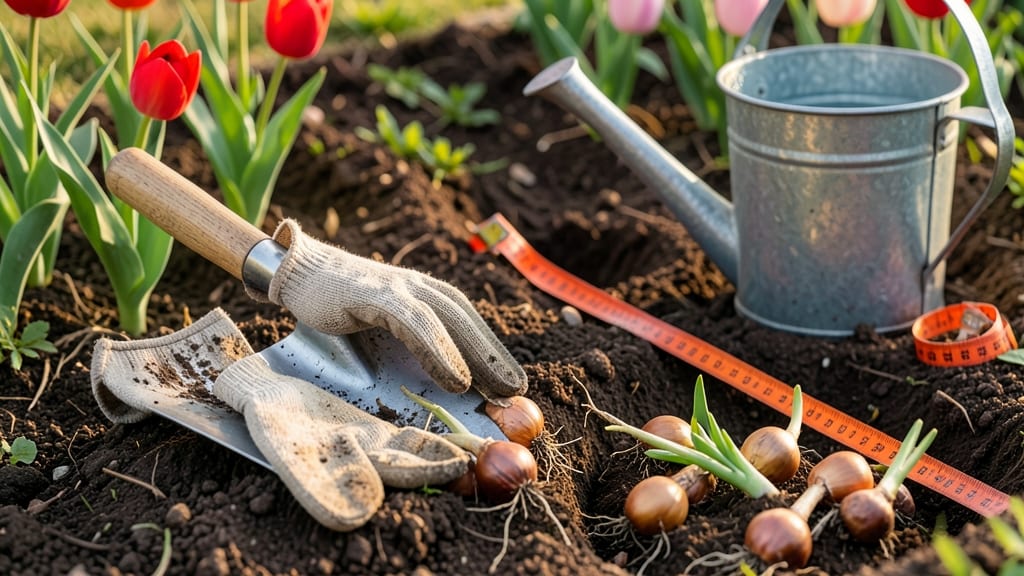
To get your Spring Planting Bulbs off to the right start, timing is everything—and planting too early or too late can mean the difference between vibrant blooms and sad, wilted disappointment.
The key isn’t just waiting for spring; it’s knowing exactly when the soil is warm enough and the frost threat has passed.
In USDA Zone 6a, where most gardeners live, the ideal window for planting spring bulbs like tulips and daffodils opens just 4-6 weeks before your last frost date.
That’s typically mid-April, but don’t guess—soil temperature matters more than the calendar. Cold soil can stunt growth, while waiting too long risks missing the perfect moment.
I’ve learned the hard way that rushing bulbs into the ground too soon leads to rot, while waiting until the flowers are already sprouting means missed opportunities. The sweet spot?
Plant when the ground is workable but still cool—usually April to early May in most regions. Let me show you how to nail this timing every time.
Whether you’re a seasoned gardener or just starting, mastering this window ensures your 🌱 Spring Planting Bulbs thrive. We’ll cover soil prep, frost dates, and even how to adjust for late bloomers—so you can enjoy those showstopping flowers without the guesswork.
Exact weeks before last frost to plant spring bulbs by region
Timing is everything when planting spring bulbs like tulips, daffodils, and hyacinths. Plant too early, and frost can damage tender shoots; too late, and your bulbs may not establish roots before summer heat.
The key is understanding your USDA zone and soil temperature thresholds. Most spring bulbs need 4-8 weeks before the last frost to root properly, but this varies dramatically from Zone 3 to Zone 10.
Soil temperature plays a bigger role than air temperature. Bulbs like tulips and hyacinths prefer soil between 40-50°F, while daffodils tolerate slightly cooler 35-45°F. If your soil is still frozen or below these thresholds, your bulbs will sit dormant, waiting for the right conditions.
Use a soil thermometer to check—this small tool can save you from costly mistakes.
Here’s the science-backed breakdown of planting windows by region, accounting for both frost dates and soil warming trends:
How to adjust planting time for late spring or early fall bulbs
Not all bulbs follow the classic fall planting schedule—some, like gladiolus and dahlia, thrive when planted in late spring, while others, like crocus and tulips, prefer early fall planting.
Adjusting your timing based on soil temperature and frost dates ensures stronger roots and vibrant blooms without frost damage.
For late spring bulbs, wait until after the last frost when soil temperatures consistently stay above 50°F. For early fall bulbs, plant 6-8 weeks before the first frost—this gives roots time to establish before winter.
Local climate plays a huge role, so always check your USDA zone for precise timing.
🌱 Numbered Highlights: Adjusting Planting Time for Bulbs
- Late Spring Bulbs (e.g., gladiolus, dahlias): Plant after last frost when soil is 50°F+—roots need warmth to sprout.
- Early Fall Bulbs (e.g., crocus, tulips): Plant 6-8 weeks before frost—roots establish before winter dormancy.
- Soil Prep: Loosen soil to 12 inches deep—improves drainage and root penetration.
- Depth Rule: Plant bulbs 2-3x their height—deeper for dry climates, shallower for wet areas.
- Frost Exceptions: In Zone 7+, some bulbs (like allium) tolerate light frost—check variety notes.
If you’re in a warmer climate (Zone 8-10), you can push late spring planting even later—just ensure soil stays warm enough for root growth. For cooler zones (Zone 3-6), prioritize early fall planting to avoid winter heaving (when bulbs push out of frozen soil).
Mulch after planting to insulate roots—use straw or shredded leaves for fall bulbs and light mulch for late spring varieties to retain moisture without overheating. Avoid heavy mulch, which can suffocate emerging shoots.
Watch for sprouting signs—if shoots appear too early in spring, protect them with frost cloth or a cold frame. For fall-planted bulbs, ensure they’re firmly planted before ground freezes to prevent frost damage.
Adjusting planting time isn’t just about dates—it’s about soil conditions and microclimates. Test your soil’s moisture and temperature with a soil thermometer to fine-tune timing. With the right approach, you’ll enjoy longer bloom seasons and healthier plants year after year. 🌿