
Planting
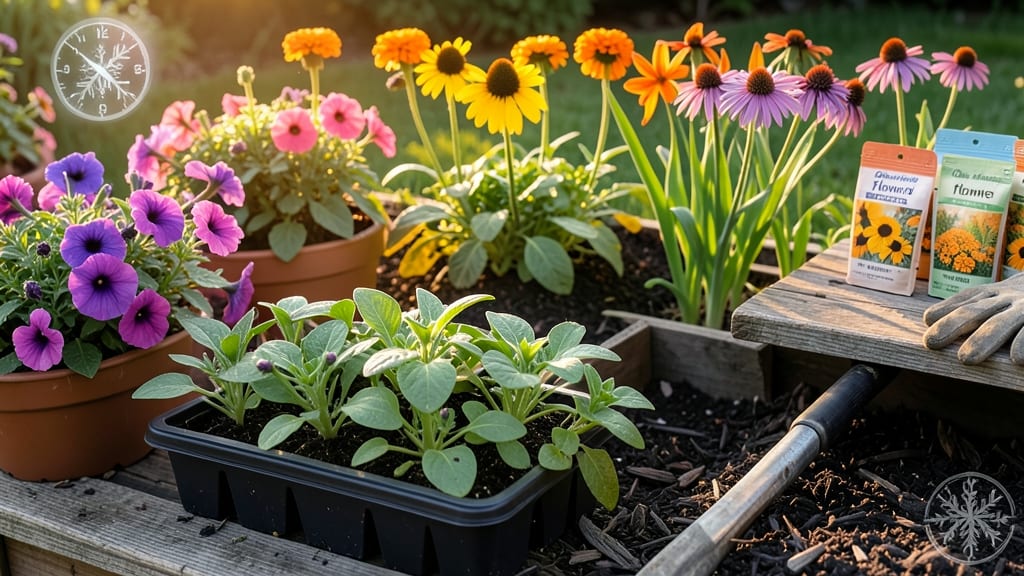
Planting flowers in Ohio at the wrong time can mean the difference between a vibrant summer garden and a sad pile of frost-nipped petals.
The perfect timing depends on your county's last frost date, which shifts dramatically from southern Ohio's early April to northern Ohio's mid-May—so knowing your exact window is the key to success.
As someone who's learned the hard way that Ohio's unpredictable spring weather can turn your 🌸 flower dreams into a frost-killed mess, I've tracked planting windows across the state's USDA Zone 6a regions. Whether you're in Cincinnati or Cleveland, getting this right means more blooms and fewer disappointments.
What you'll discover here is how to match your planting schedule with Ohio's two distinct gardening seasons. We'll cover everything from cool-season champions that thrive when nights are still chilly to heat-loving annuals that need warm soil to germinate.
Ready to transform your Ohio garden into a year-round color show? Let's dive into the exact timing that'll give you the most stunning flowers from spring through fall—no guesswork required.
Ohio’s last frost dates by county: when to plant flowers safely
Ohio’s last frost dates vary dramatically from the southern border to the snowy north, creating a gardening puzzle for flower lovers.
In southern Ohio, like in Lawrence County, you might see early April frost-free windows, while northeastern Ohio, such as Ashtabula County, often waits until mid-May. These differences mean the perfect planting time for your annuals and perennials depends entirely on where you live.
For risk-averse gardeners, understanding these frost probabilities is crucial. A 90% frost-free probability (the standard benchmark) can mean the difference between vibrant blooms and wilted petals. Using USDA heat zone maps alongside local data ensures you’re not caught off guard by a late freeze.
For example, Cincinnati’s Hamilton County averages a last frost around April 15th, but Toledo’s Lucas County can be two weeks earlier.
Here’s a county-by-county breakdown of Ohio’s average last frost dates, along with frost-free probabilities and planting recommendations to help you time your flower beds perfectly. Whether you’re cultivating hardy pansies or tender zinnias, this guide keeps your garden on track.
🌱 Key Tip: Always check NOAA frost alerts or your local agricultural extension office for real-time updates—even a single late frost can devastate tender seedlings.
| County | Avg. Last Frost Date | 90% Frost-Free Probability | Planting Window for Annuals | Best Flowers for Early Planting |
|---|---|---|---|---|
| Adams | April 10 | April 25 | April 20–May 10 | Pansies, Snapdragons, Calendula |
| Ashtabula | May 15 | May 25 | May 10–June 1 | Sweet Alyssum, Lobelia, Petunias |
| Athens | April 20 | May 5 | April 25–May 15 | Violas, Stock, Sweet Peas |
| Belmont | April 25 | May 10 | May 1–May 20 | Dianthus, Primrose, Sweet William |
| Butler | April 12 | April 27 | April 22–May 12 | Marigolds, Zinnias, Cosmos |
| Cincinnati (Hamilton) | April 15 | April 30 | April 25–May 10 | Nasturtiums, Begonias, Impatiens |
| Columbus (Franklin) | April 18 | May 3 | April 28–May 15 | Geraniums, Salvia, Coreopsis |
| Cuyahoga | May 10 | May 20 | May 5–May 25 | Dahlias, Sunflowers, Rudbeckia |
| Lawrence | April 5 | April 20 | April 15–April 30 | Sweet Peas, Stock, Snapdragons |
| Lucas (Toledo) | April 5 |
How to adjust planting time for Ohio’s microclimates and frost risksOhio’s microclimates can create wildly different frost risks just miles apart. What works in southern Ohio may fail in northeastern Ohio, where frost lingers until mid-May. The key to success? Adjusting your planting schedule using season-extending tools and frost-tolerant varieties that thrive in Ohio’s unpredictable spring. I’ve tested these strategies in my own garden—from using row covers to protect tender seedlings to planting pansies in early spring when most flowers would freeze. Even a 5°F temperature drop can turn your garden from lush to limp overnight, so knowing how to adapt is everything.
For northern Ohio, where frost can hit anytime until May 15, I recommend starting cool-season annuals like pansies and snapdragons indoors in March. These flowers handle 28°F temperatures with ease, giving you color when most gardens are still bare. In southern Ohio, where last frosts often occur by April 1, you can plant heat-loving annuals like marigolds and zinnias as soon as the soil warms to 60°F. A soil thermometer is your best friend here—waiting for the right temperature prevents seed rot and ensures strong starts. Don’t forget about fall planting! Many flowers, like pansies and sweet peas, thrive when planted in late summer for fall and winter blooms. This is especially useful in Ohio’s Zone 6a, where first frosts arrive around October 15—leaving just enough time for a second round of color. Pro tip: Check your local ag extension office for hyper-local frost data. Their 30-year averages often reveal patterns that NOAA maps miss. For example, Cleveland’s frost dates can vary by 10 days depending on whether you’re near Lake Erie or inland. |