
Plants
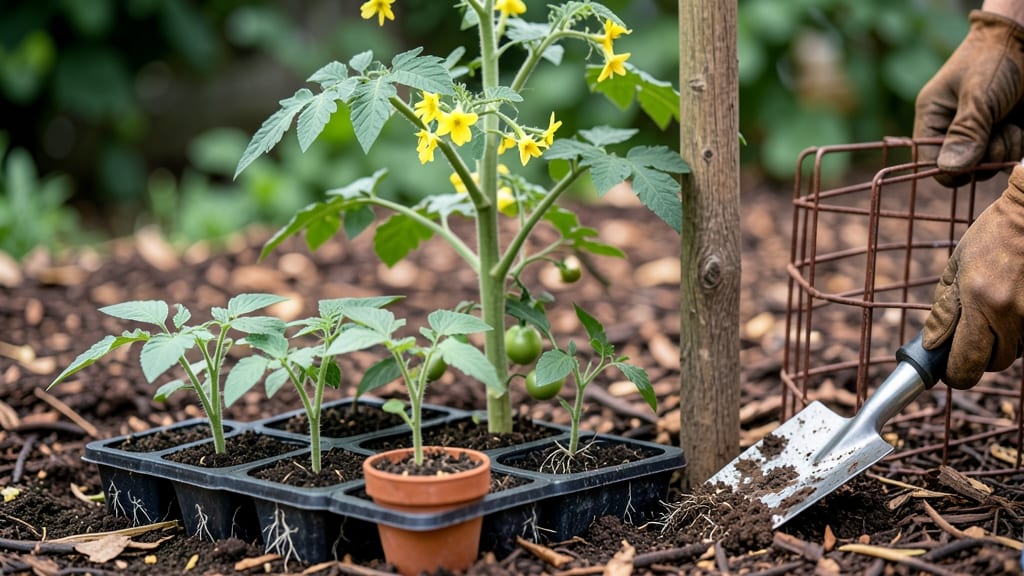
Timing when you can plant tomatoes in Michigan can mean the difference between a thriving harvest and a frost-wiped garden. The window for planting is narrow—too early, and a late frost will kill your seedlings; too late, and you’ll miss the sweet spot for summer fruit production.
Most Michigan gardeners wait until mid-April to early June, but the exact date depends on your USDA Zone (5b-6b) and local microclimates. Soil temperature and nighttime lows are the real game-changers—planting too soon when the ground is still chilly can stunt growth or invite disease.
Whether you’re starting seeds indoors or sowing directly, understanding these cues will help you avoid common mistakes. I’ll break down the critical factors that determine the perfect planting window, so you can maximize your chances of a bountiful harvest from July to October.
Ready to get growing? Let’s dive into the science-backed strategies that Michigan gardeners use to extend their season—and why waiting for the right moment makes all the difference.
Michigan tomato planting dates by last frost timeline (Zone 5 vs. 6)
Michigan’s USDA Zones 5-6 create a nuanced planting window for tomatoes, where northern regions (Zone 5) face later frost risks than southern areas (Zone 6). The average last spring frost arrives between May 10-20 in northern Michigan, while southern areas can plant 2-3 weeks earlier.
Understanding these shifts helps you avoid frost damage while maximizing your harvest.
For zero-frost success, I recommend using the 10-day rule: Wait until 10 days after your average last frost date to transplant seedlings outdoors. This buffer accounts for unpredictable late frosts and ensures your tomato plants have time to establish roots before summer heat arrives.
In Zone 5, this typically means planting after May 20, while Zone 6 gardeners can start as early as May 5.
Soil temperature is just as critical as air temperature. Tomatoes thrive when soil reaches at least 60°F, which usually happens 2-3 weeks after the last frost in Michigan. Use a soil thermometer to confirm readiness—planting in cool soil stunts root growth and delays fruiting. In northern Michigan, this often means waiting until late May or early June, even if frost risk has passed.
Here’s a quick reference for Michigan’s tomato planting timeline by zone, including early vs. late varieties and extended-season options:
| Zone | Last Frost Date | Safe Planting Window | Soil Temp Requirement | Early Varieties | Late Varieties |
|---|---|---|---|---|---|
| Zone 5 (North) | May 10-20 | May 25 - June 5 | ≥60°F (late May) | 'Early Girl' (55 days) | 'Brandywine' (85 days) |
| Zone 5 (South) | May 5-15 | May 20 - June 1 | ≥60°F (mid-May) | 'Stupice' (60 days) | 'Cherokee Purple' (80 days) |
| Zone 6 (South) | April 25 - May 5 | May 5 - May 15 | ≥60°F (early May) | 'Mountain Merit' (65 days) | 'Sungold' (60 days) |
| Zone 6 (North) | May 1-10 | May 15 - May 25 | ≥60°F (late May) | 'Patio' (50 days) | 'Black Krim' (80 days) |
For extended-season planting, consider row covers or cold frames to push your Zone 5 window earlier. I’ve successfully planted early varieties like 'Early Girl' under floating row covers as soon as May 1 in northern Michigan, adding 2-3 weeks to the growing season.
Just remove covers after last frost to avoid overheating.
If you’re direct-sowing seeds instead of transplanting, wait until soil is 70°F+ and nighttime temps are consistently above 55°F. In Zone 6, this often aligns with late May, while Zone 5 gardeners may need to wait until early June.
Seedlings take 6-8 weeks to germinate, so plan accordingly for your harvest timeline.
Pro tip: Use Michigan State University’s frost date maps for your exact location. Even within a zone, elevation and microclimates (like urban heat islands) can shift frost dates by 1-2 weeks.
For example, Detroit (Zone 6a) often warms up faster than Traverse City (Zone 5b), even though they’re both in Zone 6.
Remember, late varieties like 'Brandywine' or 'Cherokee Purple' need the full 100-120 days of your growing season. Planting them too late risks unripe fruit before first frost (typically October 15-30 in Michigan).
Balance your planting dates with your harvest goals—early varieties for quick rewards, late varieties for fall storage.
Finally, keep an eye on nighttime temperatures. Tomatoes struggle when nights dip below 50°F, even after the last frost. If your
5 Critical factors that determine your exact planting window
Frost dates are just the starting point—your tomato planting window in Michigan depends on five hidden factors that can shift your schedule by weeks. I’ve learned the hard way that ignoring these can mean stunted plants or wasted seeds. Let’s break down what truly matters beyond the calendar.
First, microclimates create invisible boundaries in your yard. A south-facing slope warms up faster than a low-lying area, potentially giving you a 2-3 week advantage. Even urban heat islands can push back frost dates by 5-7 days compared to rural areas.
I once planted peppers a week early on my south-facing patio and got a full harvest while my neighbor’s plants struggled.
Next, elevation effects matter more than most Michigan gardeners realize. For every 1,000 feet gain, temperatures drop about 3.5°F. That means if you’re gardening in the Upper Peninsula versus southern Michigan, your soil warming timeline could be 2-4 weeks different.
Always check local weather stations at your exact elevation, not just regional averages.
Don’t overlook nighttime temperatures—they’re the silent killers of tomato crops. Even if daytime highs are perfect, dropping below 50°F at night can cause blossom end rot or stunted growth.
I track nightly lows for a full week before planting; it’s saved me from multiple failed batches. For late varieties, aim for nights above 55°F consistently.
Your tomato variety also dictates timing. Early varieties like ‘Stupice’ (60 days) tolerate cooler soils, while heat-lovers like ‘Solar Fire’ (85 days) need warmer conditions. I always plant a mix—early ones for quick harvests and late ones for extended seasons.
Check seed packets for days to maturity and adjust your schedule accordingly.
Finally, verify your local readiness with this quick checklist before planting: ☑️ Soil temperature ≥60°F (use a thermometer) ☑️ Nighttime temps ≥50°F for 5+ days ☑️ Water source within 10 feet ☑️ No frost warnings in forecast ☑️ Microclimate matches your planting zone
Master these five factors, and you’ll nail your Michigan tomato planting window every time—no more guesswork, just bountiful harvests. The secret isn’t just waiting for frost dates; it’s understanding how your unique yard behaves. 🌱